Summary
A powerful typhoon named Bavi is moving toward Taiwan and southeastern China, threatening to become one of the strongest storms in decades. The storm, which is about 1,000 kilometers wide, comes after landslides in the Philippines killed at least 15 people. Authorities across East Asia are now preparing for destructive winds, heavy rain, and potential flooding.
Main Impact
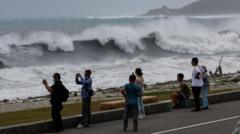
The main impact of Typhoon Bavi is its massive size and strength. Forecasters say it could be one of the most powerful storms to hit the region in many years. The storm is expected to bring dangerous winds, storm surges, and very heavy rainfall to Taiwan and parts of China's coast. This follows deadly landslides in the Philippines, which were caused by earlier heavy rains linked to the same weather system.
Key Details
What Happened
Typhoon Bavi formed over the Pacific Ocean and has grown into a large and powerful storm. It is currently heading northwest toward Taiwan and the southeastern coast of China. The storm is about 1,000 kilometers wide, which means it can affect a very large area. Before reaching Taiwan, the storm's outer bands caused heavy rain in the Philippines, leading to landslides that killed at least 15 people.
Important Numbers and Facts
The storm is expected to make landfall in Taiwan or China within the next few days. Wind speeds near the center could reach over 200 kilometers per hour. The storm is moving at a speed of about 15 to 20 kilometers per hour. In the Philippines, the landslides occurred in mountainous areas where heavy rain loosened the soil. Rescue teams are still searching for missing people.
Background and Context
Typhoons are common in East Asia, especially during the summer and early autumn months. They form over warm ocean waters and can grow very large. Bavi is being compared to some of the strongest storms in recent history because of its size and wind speeds. The region is used to storms, but a typhoon of this strength can cause serious damage to buildings, power lines, and roads. It can also trigger landslides and flooding in low-lying areas.
Public or Industry Reaction
Governments in Taiwan and China have started emergency preparations. In Taiwan, schools and offices may close as the storm approaches. Fishermen have been told to bring their boats to safe harbors. In China, coastal cities are checking flood defenses and warning people to stay indoors. The Philippines is still dealing with the aftermath of the landslides, with local officials asking for help with rescue and relief efforts.
What This Means Going Forward
If Typhoon Bavi hits populated areas, it could cause widespread damage and loss of life. The storm's large size means that even areas far from its center could feel strong winds and heavy rain. Flooding and landslides are major risks, especially in mountainous or poorly drained areas. Emergency services are on high alert, and people in the storm's path are being urged to prepare supplies and follow safety instructions. The storm's path may change slightly, so officials are watching it closely.
Final Take
Typhoon Bavi is a serious threat to millions of people in East Asia. Its size and strength make it one of the most dangerous storms in recent years. The deaths in the Philippines are a tragic reminder of how powerful these storms can be. The next few days will be critical as the storm moves closer to land. People in the affected areas should take all warnings seriously and stay safe.
Frequently Asked Questions
What is a typhoon?
A typhoon is a large, powerful storm that forms over warm ocean waters in the Pacific. It has strong winds and heavy rain, and it can cause flooding, landslides, and damage to buildings.
Why is Typhoon Bavi considered dangerous?
Typhoon Bavi is dangerous because it is very large, about 1,000 kilometers wide, and has very strong winds. It is expected to be one of the strongest storms in decades, which means it can cause severe damage and put many lives at risk.
What should people do to prepare for a typhoon?
People should listen to local authorities, stay indoors, secure loose objects outside, stock up on food and water, and have a flashlight and batteries ready. They should also avoid going near the coast or flooded areas.