
Summary
United States President Donald Trump has issued a severe warning to Iran, stating that the country could be destroyed in a single night if it does not agree to a new deal. The President set a final deadline for Tuesday at 8:00 PM for Iran to open the Strait of Hormuz, a vital waterway for global trade. This warning comes as Iran officially rejected a proposal for a 45-day ceasefire, demanding instead a permanent end to the current conflict. The situation has reached a critical point, with military leaders preparing for what could be the largest series of air strikes since the start of the war.
Main Impact
The primary impact of this development is the immediate threat of a major military escalation in the Middle East. By setting a specific time and date for a deadline, the US administration has moved away from slow diplomacy toward a direct military ultimatum. If the deadline passes without a signed agreement, the US military is prepared to launch massive strikes against Iranian targets. This move could disrupt global energy markets, as the Strait of Hormuz is the main route for much of the world's oil supply. The rejection of the ceasefire by Iran also suggests that both sides are far apart on how to bring the fighting to a close.
Key Details
What Happened
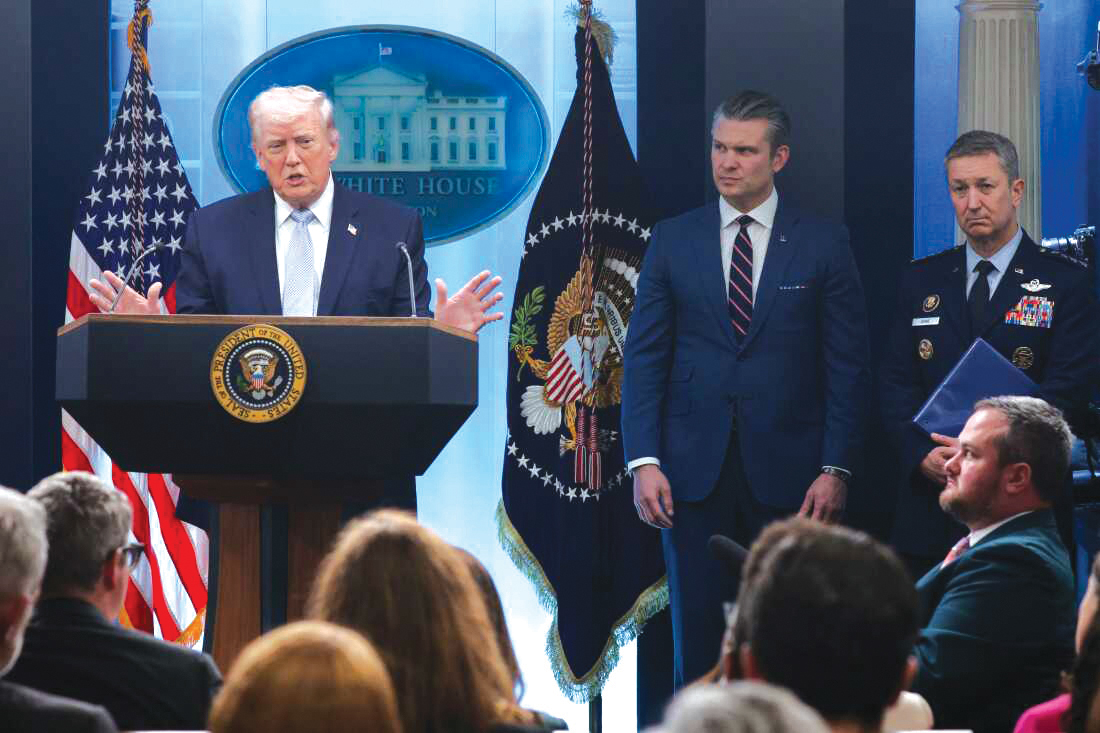
During a press conference, President Trump told reporters that Iran could be "taken out" very quickly if it continues to block the Hormuz waterways. He specifically mentioned that this action might happen as early as Tuesday night. The President dismissed Iran's attempts to manage the waterway, particularly their desire to collect tolls from passing ships. Instead, Trump suggested that the United States might be the one to charge for passage through the area, though he did not provide a specific plan for how this would work. Meanwhile, the US Defense Secretary confirmed that the military is ready to increase the intensity of its attacks significantly.
Important Numbers and Facts
The deadline for the deal is set for Tuesday at 8:00 PM. Iran was offered a 45-day ceasefire, which it turned down on Monday. Defense Secretary Pete Hegseth stated that the volume of strikes scheduled for today would be the highest since the first day of the conflict, with even more planned for the following day. Iran has warned that if it is attacked, the consequences will be felt far beyond the Middle East, potentially affecting other regions and international interests. These figures and dates highlight how quickly the window for a peaceful solution is closing.
Background and Context
The Strait of Hormuz is one of the most important locations in the world for the shipping industry. It is a narrow stretch of water that connects the Persian Gulf with the Gulf of Oman and the Arabian Sea. Because so much of the world's oil passes through this small area, any conflict there can cause gas prices to rise globally. For years, the US and Iran have argued over who has the right to control or monitor this water. The current tension is part of a larger war that has seen various attempts at temporary peace deals. However, Iran has grown tired of short-term pauses in fighting, stating that a 45-day break does not solve the underlying problems. They are pushing for a total and permanent end to military actions against them.
Public or Industry Reaction
The reaction from the Iranian government has been one of defiance. Iranian state media reported that the country will not accept a deal that only offers a temporary stop to the violence. When asked about the potential suffering of Iranian citizens under such heavy military threats, President Trump claimed that the people of Iran are willing to endure hardships if it eventually leads to their freedom. Within the US, the President used a public Easter event at the White House to show strength. He told the public that the country is stronger than ever, citing record-breaking numbers in both the stock market and military spending. This messaging is designed to show that the US is prepared for the economic and military costs of a potential war.
What This Means Going Forward
The next 24 hours are vital for the region. If Iran does not meet the 8:00 PM deadline, we are likely to see a significant increase in air strikes. This could lead to a full-scale war that involves other countries in the region. There is also a high risk that Iran will attempt to completely block the Strait of Hormuz in retaliation, which would stop oil tankers from moving and cause a global energy crisis. For the average person, this could mean much higher prices at the gas pump and a general increase in the cost of goods. Diplomats from other countries are still trying to find a middle ground, but the window for talk is almost gone. The focus has shifted from finding a temporary ceasefire to preparing for a major military confrontation.
Final Take
The situation between the United States and Iran has moved from a war of words to a countdown for military action. With a firm deadline now in place and both sides refusing to back down on their core demands, the risk of a massive conflict is higher than it has been in years. The coming hours will determine if a last-minute deal can be reached or if the region will face a night of unprecedented destruction.
Frequently Asked Questions
What is the deadline set by President Trump?
The President has set a final deadline of Tuesday at 8:00 PM for Iran to agree to a deal regarding the Strait of Hormuz.
Why did Iran reject the ceasefire proposal?
Iran rejected the 45-day ceasefire because they want a permanent end to the war rather than a short-term pause in the fighting.
Why is the Strait of Hormuz so important?
It is a critical waterway for global trade. A large portion of the world's oil supply passes through it, and any disruption there can cause global energy prices to skyrocket.



