Summary
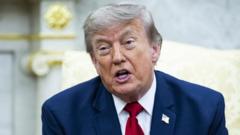
Former President Donald Trump has threatened to bomb Iranian bridges and power plants if the country does not return to nuclear negotiations. The warning came as the United States and Iran exchanged military fire for the fourth straight day. The US has also resumed a naval blockade of Iranian ports, raising tensions in the region to their highest point in years.
Main Impact
The threat marks a sharp escalation in rhetoric between the two nations. Trump’s comments, made during a televised interview, directly target Iran’s civilian infrastructure. This approach goes beyond previous US threats, which focused on military sites or nuclear facilities. The renewed blockade also cuts off a key source of Iran’s trade and oil revenue, putting further pressure on its economy.
Key Details
What Happened
In a statement aired on July 14, 2026, Trump said he would order airstrikes on bridges, power plants, and other key infrastructure if Iran does not agree to restart talks on its nuclear program. He described the current situation as “unacceptable” and said the US would not allow Iran to continue its nuclear work without oversight.
At the same time, the US Navy has reimposed a blockade on Iranian ports. This move stops most cargo ships from entering or leaving the country. The blockade is meant to cut off supplies and revenue that Iran might use to fund its military or nuclear activities.
Important Numbers and Facts
Military exchanges between the two sides have now continued for four days. US officials report that Iranian forces have fired on US naval vessels in the Persian Gulf at least three times since July 11. The US has responded with airstrikes on Iranian radar and missile sites. No casualty numbers have been released by either side.
The blockade affects all major Iranian ports, including Bandar Abbas and Chabahar. These ports handle about 80% of Iran’s non-oil trade. The move is expected to hit Iran’s economy hard, as it already faces sanctions and high inflation.
Background and Context
Tensions between the US and Iran have been high for decades. The two countries have been at odds over Iran’s nuclear program since the early 2000s. In 2015, a deal was reached that limited Iran’s nuclear work in exchange for lifting some sanctions. But the US pulled out of that deal in 2018 under Trump’s first term.
Since then, Iran has increased its nuclear activities. It now enriches uranium at levels close to what is needed for a nuclear weapon. International inspectors say Iran has enough material to build several bombs if it chooses to. Talks to revive the 2015 deal have failed multiple times.
The current crisis began when the US accused Iran of attacking a US-linked oil tanker in the Gulf of Oman on July 10. Iran denied the claim. The US then sent more warships to the region and began the blockade.
Public or Industry Reaction
Reaction to Trump’s threat has been mixed. Some US lawmakers, mostly from his own party, have supported the tough stance. They say Iran must be forced to stop its nuclear work. Others, including some Democrats, have warned that bombing civilian infrastructure could be a war crime under international law.
Iran’s government has called the threat “illegal and reckless.” A spokesperson for Iran’s Foreign Ministry said the country will not negotiate under pressure. Iran’s military has also warned that it will respond to any attack on its soil.
Oil prices rose sharply after the news. Brent crude jumped by more than 5% on July 14, as traders worried about supply disruptions in the Gulf region. Shipping companies have also started rerouting vessels away from the area.
What This Means Going Forward
The situation is now at a critical point. If Trump follows through on his threat, it could lead to a full-scale war between the US and Iran. Such a conflict would likely draw in other countries in the region, including Iraq, Saudi Arabia, and Israel. It could also disrupt global oil supplies and push prices even higher.
On the other hand, if Iran agrees to talks, it would mark a major shift. But Iran has so far refused to negotiate while under military pressure. The coming days will show whether diplomacy can still work or if the two sides are heading toward a larger conflict.
Final Take
Trump’s threat to bomb bridges and power plants is a dangerous escalation. It raises the stakes in a conflict that has already seen four days of direct military exchanges. The blockade adds economic pressure but also risks pushing Iran into a corner. Without a clear path to talks, the region is closer to war than it has been in years.
Frequently Asked Questions
Why is Trump threatening to bomb Iranian infrastructure?
Trump says he wants to force Iran back to negotiations over its nuclear program. He believes that targeting bridges and power plants will pressure Iran’s government to agree to talks. Critics say this approach is too aggressive and could lead to war.
What is the US blockade of Iranian ports?
The blockade is a military action that stops most ships from entering or leaving Iranian ports. It is meant to cut off trade and oil revenue that Iran could use for its military or nuclear work. The blockade was announced on July 11, 2026, and is enforced by US Navy ships in the Persian Gulf.
Could this lead to a war between the US and Iran?
Yes, the situation is very serious. Both sides have already exchanged fire for four days. If Trump orders airstrikes on civilian infrastructure, Iran has promised to respond. This could quickly escalate into a full-scale conflict that affects the entire Middle East and global oil markets.