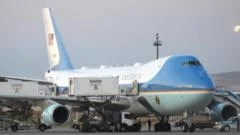
A quiet exit. A separate aircraft. A cabinet left behind on what was, in effect, a decoy plane. The image is striking — and it raises urgent questions about how real the threat was, and why senior officials stayed where they were.
The reported move: a president slipping away unseen
According to the original report, Trump boarded a different plane during a stop in Turkey at a NATO summit. The reason cited was security involving Iran. Cabinet members, meanwhile, remained on the original aircraft.
The departure was deliberately quiet, with little public visibility.
Why this detail matters to ordinary people
Presidential travel decisions are never routine. When a sitting president changes aircraft mid-journey, it signals a threat assessment that officials took seriously.
For citizens, this matters because their leaders' security choices reflect broader geopolitical risk — in this case, tensions involving Iran.
How the situation reportedly unfolded
The report describes a NATO summit in Turkey as the setting. At some point during the visit, the president's movement plan was adjusted.
Trump left on a different plane. The cabinet stayed behind on the original one — a classic decoy arrangement designed to confuse any potential threat.
The decoy strategy, explained simply
In high-risk travel, decoy aircraft are used to create uncertainty. If a hostile actor is tracking a leader's transport, they cannot be sure which plane carries the principal.
This protocol is standard in many nations' security playbooks — but its use is rarely reported so openly.
What remains unconfirmed
Everything about this story currently rests on one original account. There is no verified official statement, no named official source, and no independent confirmation of the Iran-related threat.
The specific timing, location details, and the identities of cabinet members on the decoy plane have not been independently verified.
Risks and the balanced view
Security experts would likely say that such precautions reflect prudence, not panic. Decoy protocols are routine in high-threat environments.
At the same time, critics may question why cabinet members were placed on the more exposed aircraft — or whether the threat was ever as serious as implied. Both readings remain speculative without more evidence.
The wider pattern of high-stakes travel security
Presidential movements during summits are among the most guarded operations in the world. Host nations, secret services, and military units coordinate for months.
A mid-summit plane change, if confirmed, would fit into a broader pattern of last-minute security adjustments seen in recent years.
What readers should watch for next
Follow official statements from the White House or NATO channels for confirmation. Also watch for credible follow-up reporting that may confirm or correct the original account.
Until then, treat the plane switch as a reported claim — not a verified fact.
Our Take
The most instructive part of this story is not the drama of the decoy plane, but the signal it sends about threat perception during NATO summits. If true, it suggests Iranian-related security concerns were serious enough to alter a president's travel in real time.
That is a detail worth taking seriously — and worth verifying carefully before drawing conclusions.
Frequently Asked Questions
Why did Trump reportedly switch planes in Turkey?
According to the original report, Trump boarded a different plane during a NATO summit stop in Turkey over security concerns involving Iran. The move was quiet and involved cabinet members staying on the earlier aircraft.
What is a decoy plane in presidential travel?
A decoy plane is an aircraft used to confuse potential threats. If attackers cannot determine which plane carries the president, their ability to target the flight is reduced. It is a standard security tactic in high-risk situations.
Was the plane switch officially confirmed?
No. The account rests on a single original report. No official White House, NATO, or Turkish government statement confirming the switch has been independently verified.
How should readers treat this story?
As an unverified but significant report. Until official confirmation or credible corroboration appears, the plane swap should be treated as a reported claim rather than an established fact.