
Summary
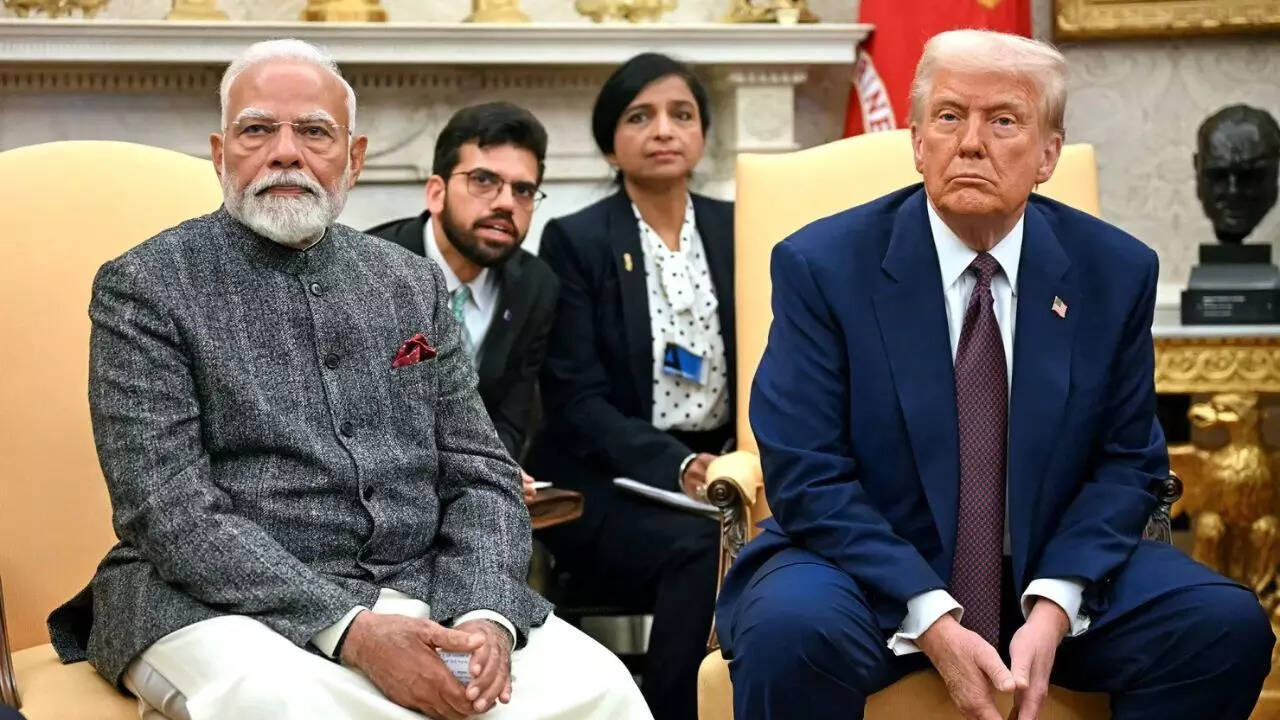
U.S. President Donald Trump and Indian Prime Minister Narendra Modi recently held a high-level phone conversation to discuss the growing tensions in the Middle East. The two leaders focused heavily on the safety of international shipping routes, specifically the Strait of Hormuz. They agreed that keeping this waterway open is vital for the global economy and energy security. This talk highlights the strong partnership between the United States and India as they work together to prevent a major crisis in the region.
Main Impact
The primary impact of this discussion is the shared commitment to global energy stability. The Strait of Hormuz is one of the most important water passages in the world. If it were to close or face major disruptions, the price of oil and gas would likely rise quickly across the globe. By speaking directly, Trump and Modi are sending a clear message to other nations that they will cooperate to protect trade. For India, this is especially important because the country relies heavily on oil imports that pass through this specific area. For the United States, maintaining peace in the Middle East remains a top priority to protect its interests and those of its allies.
Key Details
What Happened
The call between the two leaders took place as concerns grow over military movements and political disagreements in the Middle East. During the conversation, President Trump and Prime Minister Modi talked about the need for peace and the importance of following international laws regarding the sea. They expressed concern that any conflict in the region could lead to a shutdown of vital trade routes. Both leaders agreed to stay in close contact and coordinate their actions to ensure that ships can move freely without fear of attack or blockage.
Important Numbers and Facts
The Strait of Hormuz is a narrow stretch of water between Oman and Iran. It connects the Persian Gulf with the Gulf of Oman and the Arabian Sea. About 21 million barrels of oil pass through this strait every single day. This represents roughly 20% of the world's total liquid petroleum consumption. For India, more than 60% of its crude oil imports come from the Middle East, and a large portion of that travels through this narrow passage. Any delay or stoppage in this area could cost the global economy billions of dollars each day.
Background and Context
The Middle East has faced many years of disagreement between different countries. Recently, these problems have become more serious, leading to fears of a larger conflict. The Strait of Hormuz is often called a "chokepoint" because it is so narrow. At its thinnest point, the shipping lanes are only two miles wide in each direction. Because it is so small, it is easy for a country to block it with ships or mines. In the past, there have been several incidents where tankers were attacked or seized, causing panic in the global markets. India and the United States have a long history of working together on security issues, and this call is part of their ongoing effort to keep the world's oceans safe for business.
Public or Industry Reaction
Energy experts and market watchers have reacted positively to the news of this call. Many believe that when the leaders of the world’s oldest democracy and the world’s largest democracy speak with one voice, it helps calm the markets. Shipping companies have also expressed relief, as they want assurance that their vessels will be protected while moving through dangerous waters. In India, political analysts noted that the call shows India’s growing role as a global power that can influence events far beyond its own borders. In the U.S., the conversation is seen as a sign that the administration is taking active steps to prevent a spike in fuel prices at home.
What This Means Going Forward
Moving forward, we can expect to see more cooperation between the U.S. Navy and the Indian Navy in the Indian Ocean and near the Middle East. There may be more joint patrols or shared intelligence to watch for threats against cargo ships. Diplomatically, both countries will likely use their influence to talk to other nations in the Middle East, urging them to keep the peace. If tensions do not go down, there is a risk that insurance costs for shipping will go up, which would make everyday goods more expensive for everyone. The next few months will be critical as both leaders watch the situation closely to see if their diplomatic efforts are working.
Final Take
The conversation between Trump and Modi is a reminder of how connected the world is today. A problem in a small strip of water thousands of miles away can affect the price of gas at a local station or the cost of food in a grocery store. By working together, the U.S. and India are trying to provide a sense of order in a part of the world that often feels unstable. Their focus on the Strait of Hormuz shows that protecting trade is just as important as military strength when it comes to keeping the world safe and prosperous.
Frequently Asked Questions
Why is the Strait of Hormuz so important?
It is the world's most important oil transit point. About one-fifth of the world's oil passes through it, making it essential for global energy supplies and stable prices.
What did Trump and Modi agree on?
They agreed that the Middle East needs to remain stable and that the Strait of Hormuz must stay open for international shipping to ensure the global economy is not harmed.
How does this affect the average person?
If the strait is blocked, oil prices go up. This leads to higher gas prices for cars and higher costs for transporting goods, which can make almost everything more expensive for consumers.



