
Summary
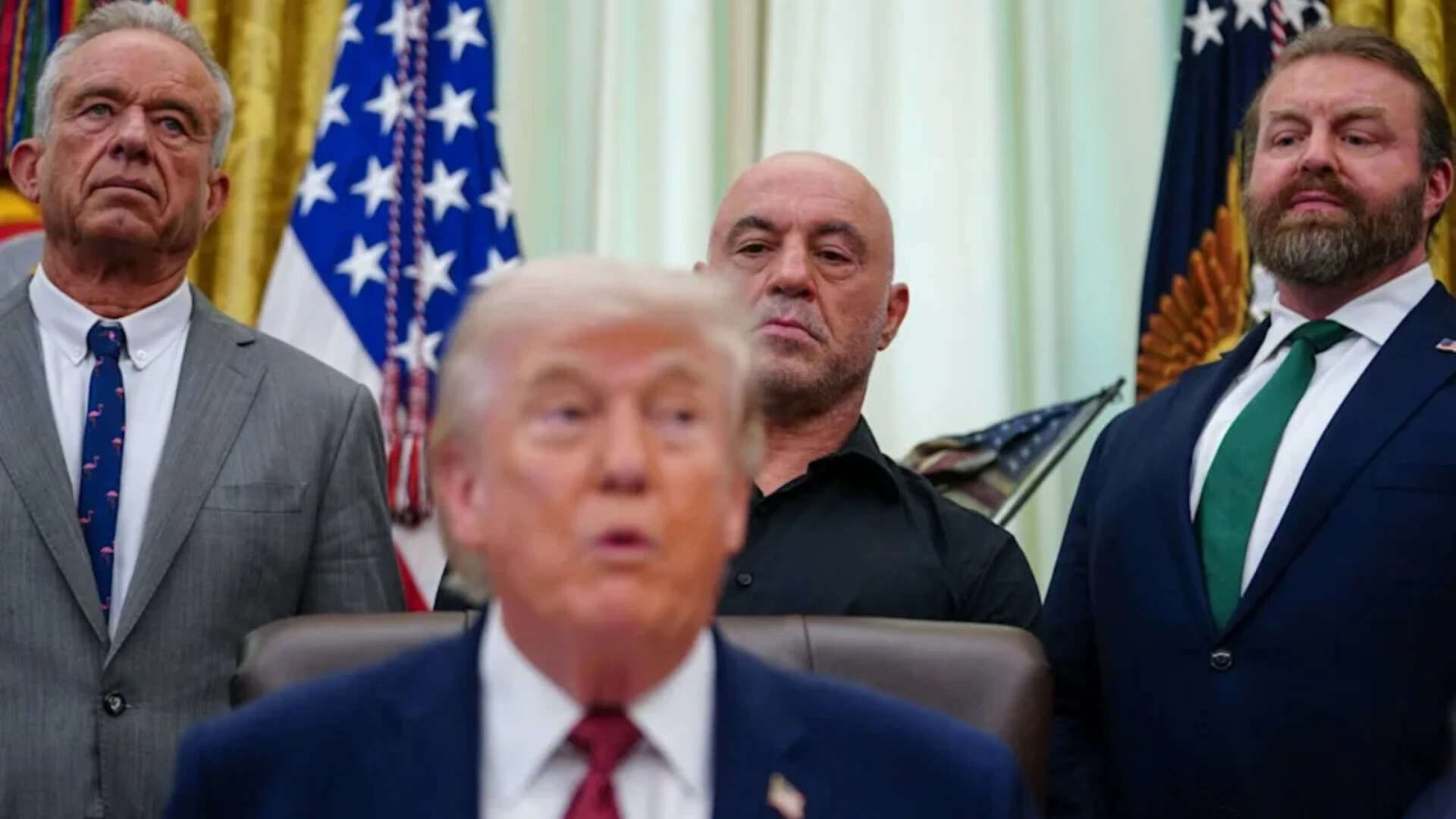
President Donald Trump recently hosted famous podcaster Joe Rogan at the White House for a high-profile visit. The meeting marks a significant moment where traditional government power meets the world of independent digital media. During the visit, Trump surprised many by calling Rogan a "liberal," a comment that has sparked intense discussion online. This meeting highlights how much influence podcasters now have over national conversations and political strategy.
Main Impact
The main impact of this visit is the official recognition of podcasting as a primary source of information for millions of Americans. By inviting Joe Rogan to the White House, the administration is acknowledging that independent creators often have more reach than traditional television networks. This move signals a shift in how leaders communicate with the public, moving away from formal press conferences and toward long-form, casual conversations that appeal to younger audiences.
Key Details
What Happened
Joe Rogan arrived at the White House following a personal invitation from President Trump. The two spent several hours discussing various topics, ranging from government transparency to the future of free speech. While the meeting was partly private, clips and photos shared afterward showed a relaxed atmosphere. The most talked-about moment occurred when Trump referred to Rogan as a "liberal" during a brief talk with reporters. This label was unexpected because many people associate Rogan with more conservative or independent views in recent years.
Important Numbers and Facts
The scale of Joe Rogan's influence is hard to ignore. His show, "The Joe Rogan Experience," consistently ranks as the most-watched and most-heard podcast in the world. On platforms like Spotify, he has over 14 million followers, and his YouTube clips often get millions of views within hours. During the last election cycle, Trump’s appearance on Rogan’s show lasted nearly three hours and gained over 40 million views in just a few days. These numbers are much higher than the ratings for most nightly news programs on major cable networks.
Background and Context
To understand why this matters, it is important to look at the history between the two men. For a long time, Joe Rogan was hesitant to have Donald Trump on his show. However, as the media world changed, their paths eventually crossed. Rogan has a history of supporting a wide range of political figures, including Bernie Sanders in the past. This is likely why Trump used the word "liberal" to describe him. Rogan often supports ideas like drug legalization and gay marriage, which are traditionally liberal views, even though he also supports gun rights and questions government mandates.
Trump’s decision to bring Rogan to the White House is part of a larger plan to bypass traditional media outlets. The President has often expressed his dislike for major news organizations, calling them unfair. By working with podcasters, he can speak directly to a massive audience without his message being edited or filtered by news anchors.
Public or Industry Reaction
The reaction to the visit has been mixed. Supporters of the President see it as a smart move to connect with "regular people" who listen to podcasts while working or driving. They believe it shows the President is open to different ideas. On the other hand, some critics argue that the White House should focus on traditional journalism. They worry that long, unedited podcasts can allow misinformation to spread without being checked by experts.
In the media industry, experts are calling this the "Podcast Era" of politics. Many believe that future candidates will spend more time in podcast studios than in television studios. The "liberal" comment by Trump also caused a stir on social media, with fans of Rogan debating whether the label fits a man who often criticizes both political parties.
What This Means Going Forward
Looking ahead, we can expect to see more digital creators visiting the White House. This visit sets a new standard for how the government interacts with the internet. It is likely that other politicians will try to copy this strategy to reach voters who do not watch the news. There is also the possibility that Rogan may use this access to push for specific policy changes, such as reforms in the health industry or changes to how the government handles digital privacy.
The relationship between the President and Rogan will be closely watched. If Rogan continues to have access to the inner circle of the government, he could become one of the most powerful non-elected figures in the country. This could change the way laws are discussed and how the public learns about new government rules.
Final Take
The meeting between Joe Rogan and Donald Trump is more than just a social visit; it is a sign that the old ways of sharing news are fading. By calling Rogan a "liberal," Trump reminded everyone that the podcaster does not fit into a simple political box. This event proves that in today’s world, having a large and loyal audience is just as important as having a political title. As the line between entertainment and politics continues to blur, the influence of independent voices will only grow stronger.
Frequently Asked Questions
Why did Donald Trump invite Joe Rogan to the White House?
Trump invited Rogan to connect with his massive audience and to show support for independent media. It is part of a strategy to reach voters who prefer podcasts over traditional news channels.
Why did Trump call Joe Rogan a "liberal"?
Trump likely used the term because Rogan has supported liberal causes in the past, such as the legalization of marijuana and the views of politicians like Bernie Sanders. It may also have been a lighthearted comment about Rogan's independent thinking.
How many people listen to Joe Rogan's podcast?
Joe Rogan has over 14 million followers on Spotify and millions more on other platforms. His interviews often reach tens of millions of people, making him one of the most influential voices in modern media.

