
Summary
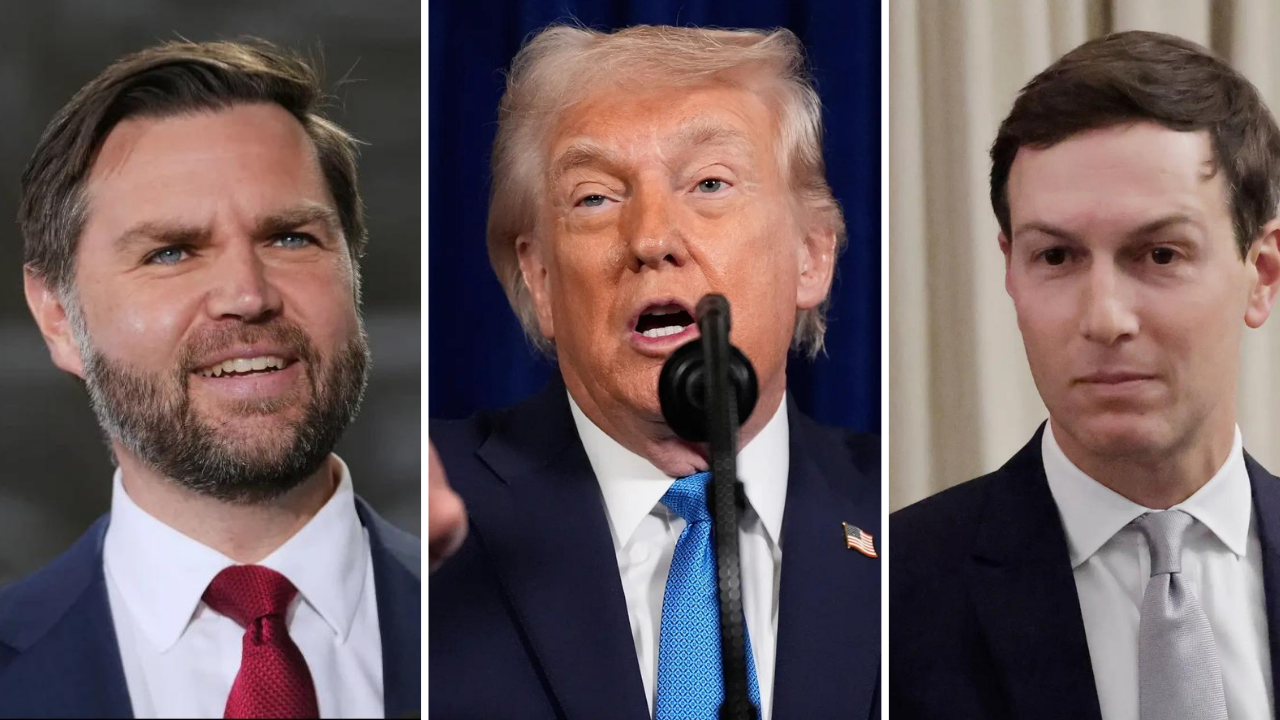
President Donald Trump has announced that his administration is currently in talks with Iran to reach a new agreement. He identified several high-ranking officials, including Vice President JD Vance and Jared Kushner, as key members of the negotiating team. While the U.S. leadership expresses confidence that a deal can be reached, Iranian officials have publicly denied that any such discussions are taking place. This disagreement highlights the complex and often confusing nature of international relations between the two nations.
Main Impact
The primary impact of this announcement is a potential shift in how the United States handles its relationship with Iran. By bringing in JD Vance, the administration is signaling a move toward a more restrained foreign policy. This development has the potential to change the security situation in the Middle East significantly. However, the immediate effect is a sense of confusion, as both countries are giving completely different accounts of whether they are even talking to each other.
Key Details
What Happened
During a recent update, President Trump shared that his team is actively working on a diplomatic solution with Iran. He noted that the goal is to find a way to end long-standing tensions and create a more stable environment. Trump specifically named Jared Kushner, who was a major part of previous Middle East peace efforts, and JD Vance as the people leading these efforts. Shortly after these claims were made, the Iranian government released a statement. They called the reports of negotiations "fake news" and insisted that no official meetings had occurred. This creates a strange situation where one side claims to be at the table while the other denies the table even exists.
Important Numbers and Facts
The current situation involves several important facts that define the relationship between the two countries. First, the U.S. team includes JD Vance, who has often spoken about the need to stop spending American resources on foreign wars. Second, Jared Kushner is returning to a role he held during the first Trump term, where he helped negotiate the Abraham Accords. Third, Iran has stated that they have no interest in talking under the current conditions. Despite the denial, some reports suggest that if Iran were to talk, they would prefer dealing with Vance because they view his "America First" policy as a sign that he wants to avoid military action.
Background and Context
To understand why this matters, it is important to look at the history between the U.S. and Iran. For many years, the two countries have been at odds over nuclear energy, regional influence, and economic sanctions. In the past, the U.S. used a "maximum pressure" strategy to try and force Iran to change its behavior. This involved heavy taxes on trade and strict rules about who could buy Iranian products. Now, the approach seems to be changing. The inclusion of JD Vance is a major part of this change. Vance is known for wanting to focus on problems inside the United States rather than getting involved in conflicts abroad. This makes him a unique figure in the eyes of foreign leaders who are used to more aggressive U.S. diplomats.
Public or Industry Reaction
The reaction to this news has been mixed. Supporters of the administration believe that using experienced negotiators like Kushner and fresh voices like Vance is a smart move. They hope this will lead to a breakthrough that previous leaders could not achieve. On the other hand, critics are skeptical. They point to Iran’s quick denial as proof that no real progress is being made. Some experts in international politics suggest that these public statements might be a form of "testing the waters." By naming Vance, the U.S. might be trying to see how Iran reacts to a different kind of negotiator. Meanwhile, the Iranian public remains cautious, as their government continues to push back against American claims.
What This Means Going Forward
Looking ahead, the next few months will be critical. If the U.S. can prove that talks are actually happening, it could lead to a formal meeting between high-level leaders. This would be a massive step toward peace. However, if Iran continues to deny the talks, it could mean that the two sides are still very far apart. There is also the risk that this public disagreement could make things worse. If one side feels like the other is lying to the media, trust will be even harder to build. The world will be watching to see if JD Vance or Jared Kushner makes a quiet trip to a neutral country to meet with Iranian representatives in secret.
Final Take
The situation between the U.S. and Iran remains one of the most difficult challenges in the world today. While President Trump is optimistic about his team’s ability to get a deal, the path is blocked by years of distrust and conflicting stories. The role of JD Vance as a key negotiator marks a new chapter in this story, but only time will tell if his approach can actually bring both sides to a real agreement.
Frequently Asked Questions
Who is leading the negotiations with Iran?
President Trump named Vice President JD Vance and Jared Kushner as the primary people involved in the discussions with Iran.
Does Iran agree that talks are happening?
No, Iranian officials have denied the reports, calling the news of negotiations false and a distraction.
Why is JD Vance considered an important part of these talks?
Vance is seen as someone who wants to avoid foreign wars and focus on American interests, which some believe makes him a more acceptable negotiator for Iran.

