Summary
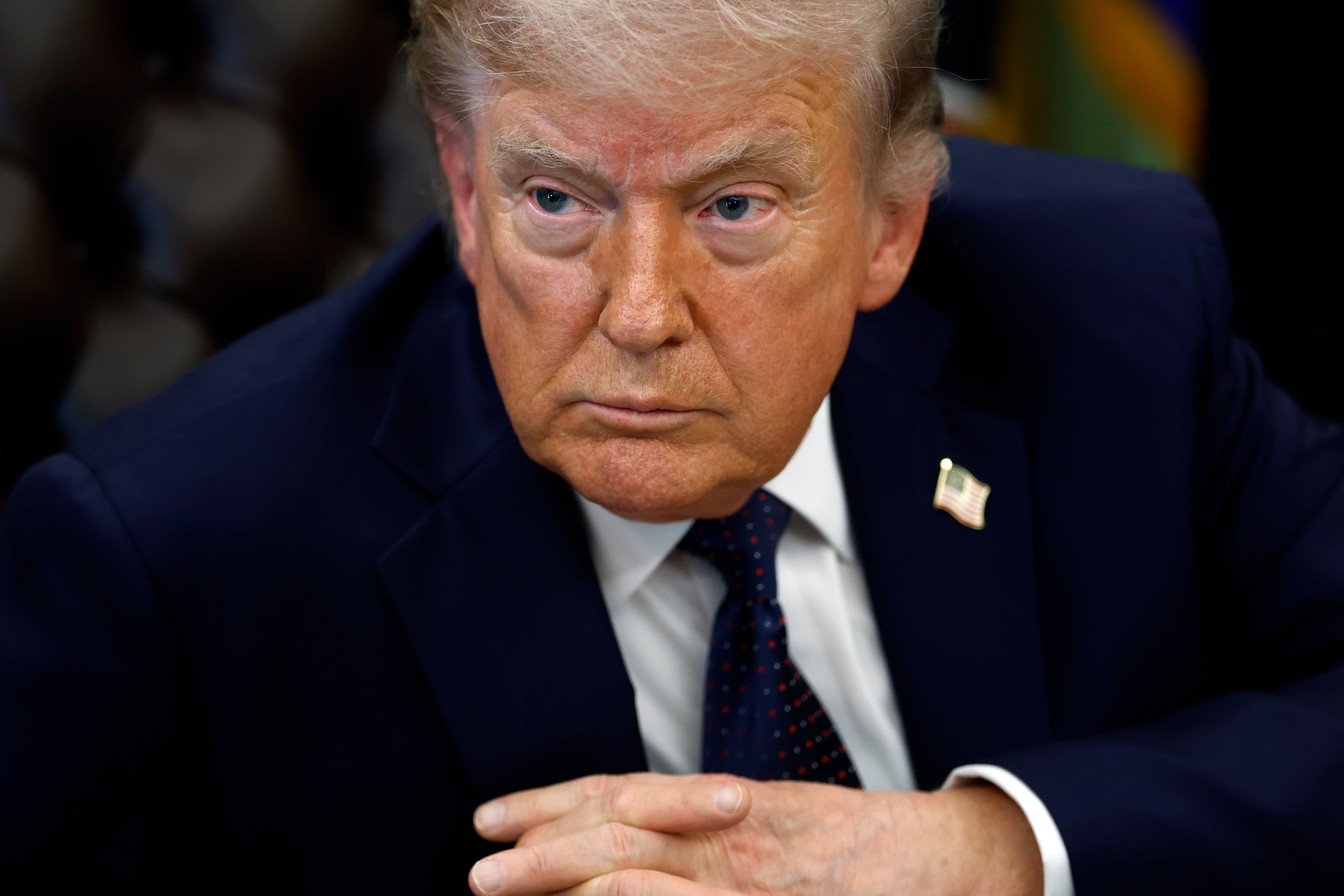
President Donald Trump has officially canceled a planned trip for his diplomatic team to Pakistan. The envoys were scheduled to meet with Iranian officials in the city of Islamabad to discuss a possible peace deal. The decision came after the lead negotiator from Iran left the country unexpectedly. Trump stated that too much time was being wasted on travel while the other side remained disorganized. This move puts a sudden stop to the latest attempt to end the ongoing conflict that began earlier this year.
Main Impact
The cancellation of these talks has a major impact on global security and the current war. By pulling his team back, President Trump is signaling that the United States will not wait indefinitely for Iran to cooperate. This decision likely means that the military conflict involving the U.S., Israel, and Iran will continue without a pause. It also shows a breakdown in communication between the two sides, making a peaceful solution seem much harder to reach in the near future.
Furthermore, this development affects the role of Pakistan as a middleman. Pakistan had hoped to help both sides find common ground, but the departure of the Iranian negotiator has made that goal impossible for now. The lack of progress in Islamabad suggests that both the U.S. and Iran are still very far apart on their demands. This creates more uncertainty for international markets and regional stability.
Key Details
What Happened
The situation unfolded quickly on Saturday. President Trump first mentioned the change in plans during a brief talk with reporters in Washington. Shortly after, he posted a formal update on his social media platform, Truth Social. He explained that his envoys would no longer be traveling to Pakistan because the Iranian representative had already left the meeting location. Trump expressed frustration, saying that his team has a lot of work to do and cannot afford to waste time on unproductive travel.
The President also pointed the finger at the Iranian government. He claimed that the "regime of the ayatollahs," which refers to Iran's religious and political leaders, is suffering from internal confusion. According to Trump, this lack of clear leadership on the Iranian side is the main reason why peace talks are not moving forward.
Important Numbers and Facts
The current war began on February 28, 2026. It is a joint military operation led by Washington and Israel against Iranian interests. The talks in Islamabad were meant to be a high-level attempt to find a way to stop the fighting. Since the war started, there have been several attempts to start a dialogue, but this latest effort was seen as the most significant. The cancellation happened just as the U.S. team was preparing to depart, showing how quickly diplomatic situations can change.
Background and Context
To understand why this matters, it is important to look at the history of the conflict. The United States and Iran have had a difficult relationship for many decades. However, the situation turned into an open war at the end of February. The U.S. and its ally, Israel, have been working together to address what they describe as threats from the Iranian government. This war has caused a lot of concern around the world because of the potential for it to spread to other countries.
Pakistan was chosen as the location for these talks because it maintains a neutral position and has diplomatic ties with both Washington and Tehran. In international politics, finding a "neutral ground" is a common way to get two enemies to sit at the same table. When the Iranian negotiator left Islamabad before the U.S. team arrived, it was seen as a sign of disrespect or a lack of serious intent to negotiate. This led to Trump’s decision to call off the entire mission.
Public or Industry Reaction
The reaction to the news has been mixed. Some political experts believe that Trump is using a "tough" negotiation style. By walking away, he may be trying to force Iran to take the talks more seriously. His supporters often agree with this approach, arguing that the U.S. should not look weak or desperate for a deal. They see the cancellation as a way to protect American time and resources.
On the other hand, critics are worried that stopping the talks will only lead to more violence. They argue that even difficult conversations are better than no conversations at all. Humanitarian groups have also expressed concern, as the ongoing war continues to affect civilians in the region. In the business world, oil prices and stock markets often shift when peace talks fail, as investors worry about the long-term effects of a war in the Middle East.
What This Means Going Forward
In the coming days, we will likely see a period of silence or increased military action. Without a diplomatic path open, both sides may focus more on their military goals. Trump’s comment about having "much work to do" suggests that the U.S. might be planning its next steps, which could include more sanctions or different military strategies. It is also possible that another country might try to step in and restart the talks, but that will take time.
The "confusion" that Trump mentioned among Iranian leaders is also something to watch. If there is truly a disagreement within the Iranian government about how to handle the war, it could lead to more unpredictable behavior. For now, the hope for a quick end to the fighting has faded, and the world will be watching to see if either side makes a move to return to the bargaining table.
Final Take
Diplomacy is a very difficult process, especially during an active war. President Trump’s decision to cancel the trip to Pakistan shows that he is not willing to participate in talks that he views as a waste of time. While this move is intended to show strength, it also leaves the door closed on a peaceful resolution for the moment. The focus now shifts back to the battlefield, where the consequences of failed diplomacy are most clearly seen.
Frequently Asked Questions
Why did Donald Trump cancel the trip to Pakistan?
The President canceled the trip because the Iranian negotiator left Pakistan before the meeting could happen. Trump felt that traveling there would be a waste of time if the other side was not ready to talk.
When did the war between the U.S., Israel, and Iran start?
The current military conflict began on February 28, 2026. It involves a joint effort by the United States and Israel against the Iranian regime.
What was the goal of the meeting in Islamabad?
The goal was to hold peace talks to find a way to end the war. Pakistan was serving as a neutral host for the two sides to meet and discuss a potential deal.