
Summary
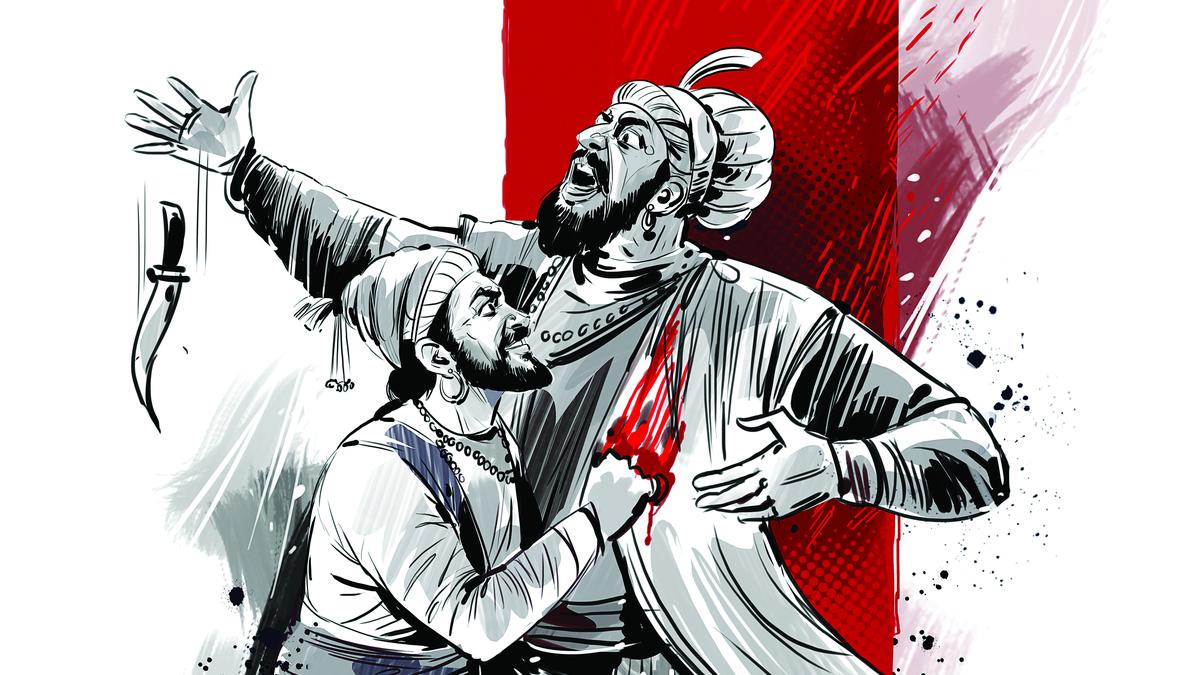
The famous Thanjavur Big Temple, also known as the Brihadisvara Temple, holds more than just religious importance. Recent studies of the Marathi inscriptions on its walls have brought historical events back to life. These stone records describe the legendary battle between Chhatrapati Shivaji Maharaj and the general Afzal Khan. They also provide a detailed look at the Maratha kings who ruled Thanjavur and their relationships with European missionaries and the British military.
Main Impact
These inscriptions serve as a permanent record of the political and social changes in Southern India. By documenting the fierce fight between Shivaji and Afzal Khan, the temple walls act as a bridge between the history of Maharashtra and Tamil Nadu. This discovery helps historians understand how the Maratha rulers viewed their own past and how they recorded their interactions with foreign powers. It shows that the temple was not only a place of prayer but also a center for keeping official records and celebrating royal history.
Key Details
What Happened
The inscriptions are located on the south-western walls of the temple complex, specifically near the Vinayagar Temple. They are written in the Marathi language, which was used by the Maratha dynasty that ruled Thanjavur for nearly two centuries. One of the most significant parts of these writings is the vivid description of the encounter between Shivaji and Afzal Khan. This event, which took place in 1659 at Pratapgad, is a major turning point in Indian history. The inscriptions also praise the work of Rev. Friedrich Christian Schwartz, a Danish missionary who had a strong influence on the local royalty.
Important Numbers and Facts
The records highlight the reign of King Serfoji II, who was a great patron of arts and science. According to the inscriptions, Serfoji II provided both soldiers and money to the British during their conflict with the Marudu brothers. The Marudu brothers were famous local rulers who fought against British control in the late 18th century. The presence of these Marathi writings in a temple built by the Chola dynasty hundreds of years earlier shows how different cultures added their own stories to the monument over time. The Maratha rule in Thanjavur began in 1676 and lasted until 1855, leaving a deep mark on the region's culture and language.
Background and Context
To understand why these inscriptions are in Marathi, one must look at the history of the Thanjavur Maratha kingdom. It was established by Venkoji, who was the half-brother of Chhatrapati Shivaji Maharaj. Because the rulers were of Maratha origin, they brought their language and traditions to the heart of Tamil Nadu. The Big Temple, originally built by Raja Raja Chola I, became a place where these later kings could record their achievements. The mention of Rev. Schwartz is also important. He was the tutor and mentor of King Serfoji II. The king respected him so much that he even built a monument in his honor, which is a rare example of a Hindu king praising a Christian missionary on temple walls.
Public or Industry Reaction
Historians and researchers have expressed great interest in these findings. Many believe that these inscriptions offer a unique "local" perspective that is often missing from British colonial records. By reading the words of the kings themselves, experts can get a better sense of the political choices made during that era. Local heritage groups in Thanjavur have called for better protection of these walls to ensure the writing does not fade. There is also a growing interest among students and tourists who want to see the physical evidence of the stories they have read in history books.
What This Means Going Forward
The discovery of these detailed accounts means that more work is needed to translate and document every part of the temple walls. There are likely many more stories hidden in the stone that have not yet been fully studied. This could lead to new books and research papers that change how we view the relationship between the Marathas and the British. It also highlights the importance of the Saraswathi Mahal Library in Thanjavur, which holds thousands of palm-leaf manuscripts from the same period. Protecting these physical records is vital for future generations to understand the complex history of India.
Final Take
The Thanjavur Big Temple continues to surprise the world with its secrets. These Marathi inscriptions remind us that history is a living thing, carved into the very stones of our heritage. By looking closely at these walls, we can see the faces of kings, the bravery of warriors, and the complicated alliances that shaped the world we live in today. It is a powerful reminder that every monument has many layers of stories waiting to be told.
Frequently Asked Questions
Why are there Marathi inscriptions in a Tamil temple?
The Maratha dynasty ruled Thanjavur from 1676 to 1855. During this time, they used Marathi as their official language and added their own historical records to the walls of the Big Temple.
Who was Rev. Friedrich Christian Schwartz?
He was a Danish missionary who served as a teacher and advisor to King Serfoji II. The king held him in high regard, which is why his name is mentioned with praise in the temple inscriptions.
What was the fight between Shivaji and Afzal Khan?
It was a famous battle where Shivaji Maharaj defeated the general Afzal Khan. This event is a key part of Maratha history and is recorded on the temple walls to honor Shivaji's legacy.



