
Summary
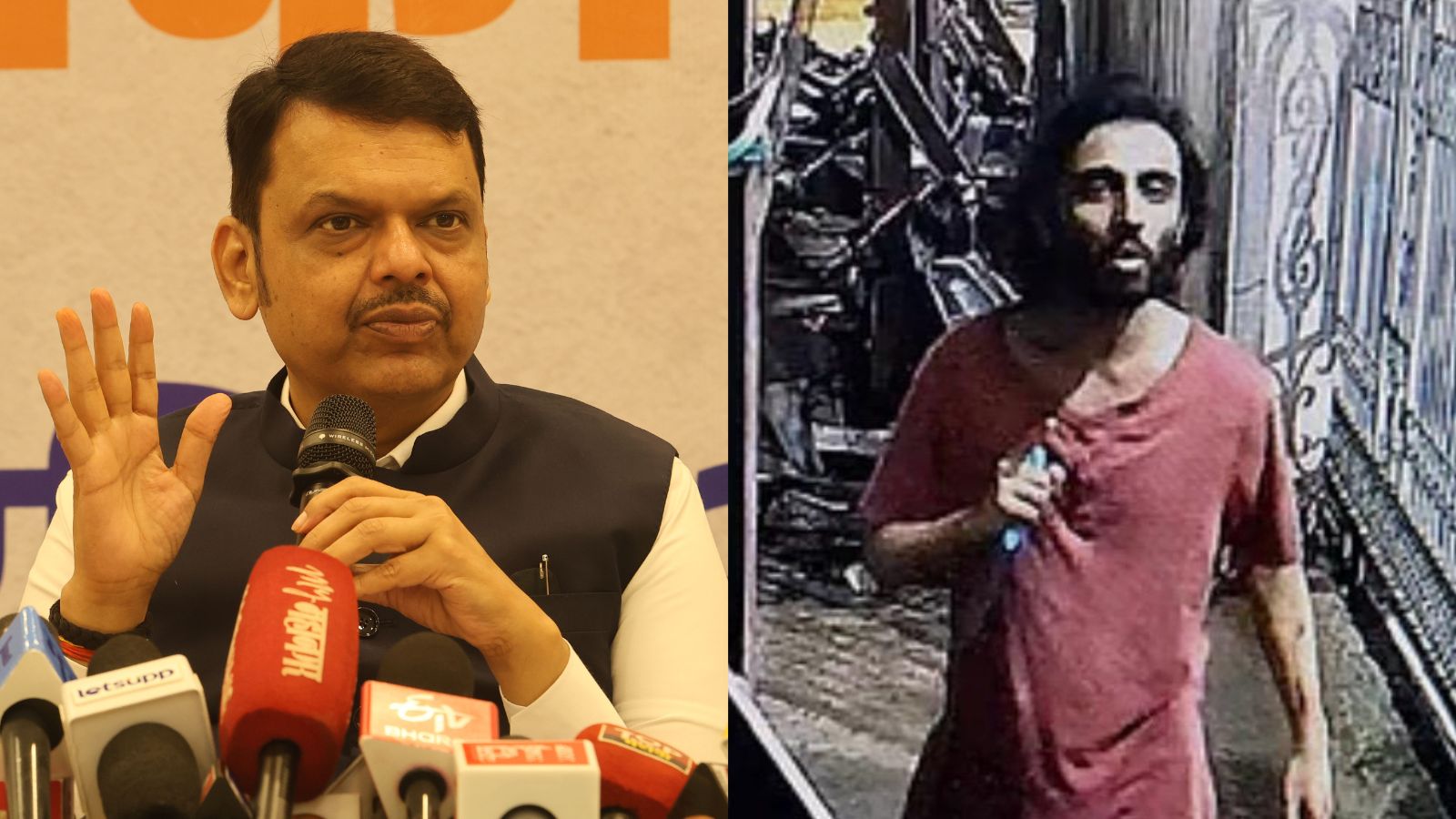
Police in Thane have officially classified a recent stabbing of security guards as a "lone wolf" attack. This means the person who carried out the crime acted entirely on his own without help from a larger group. Maharashtra Deputy Chief Minister Devendra Fadnavis confirmed that the suspect had become self-radicalized, likely through content he found online. This incident has caused a serious review of security measures and how authorities track individual threats that do not involve known criminal networks.
Main Impact
The main impact of this finding is a shift in how local law enforcement views public safety. When an attack is planned by a group, there are often phone calls or meetings that police can track. However, a lone wolf attack is much harder to stop because the person keeps their plans secret. This event shows that extreme ideas can influence people through the internet, leading them to commit violent acts without ever meeting a handler or joining a physical organization. It puts a new focus on the dangers of online propaganda and the need for better digital monitoring.
Key Details
What Happened
The incident took place when a man approached security guards on duty in Thane and attacked them with a sharp weapon. The attack was sudden and appeared to have no immediate provocation. The guards were caught off guard but managed to defend themselves until help arrived. Police quickly moved in to arrest the suspect and secure the area. The injured guards were taken to a nearby hospital for treatment, where they are currently recovering from their wounds. Investigators spent several days questioning the man to see if he had any links to terror cells or local gangs.
Important Numbers and Facts
During the investigation, police looked through the suspect's phone and computer. They found a large amount of extremist material that he had been watching and reading for several months. There were no records of him talking to other people about his plans, which confirms the "lone wolf" theory. The suspect is a young adult who had been spending a lot of time alone before the attack. Authorities have stated that while the physical injuries to the guards were serious, the psychological impact on the community has been even greater. Security has since been tightened at several public locations across the city to prevent any copycat incidents.
Background and Context
To understand this event, it is important to know what "self-radicalized" means. This happens when a person starts to believe in extreme or violent ideas by reading things on the internet or watching certain videos. They do not need to be part of a club or a group to start thinking this way. In many cases, these individuals feel lonely or angry and find a sense of purpose in these extreme views. Over time, they may decide to take action on their own. This is different from traditional crime where people work together to plan a robbery or an attack. Because the internet is so large, it is very difficult for the government to see who is becoming dangerous until they actually do something wrong.
Public or Industry Reaction
The reaction from the government has been swift. Deputy Chief Minister Devendra Fadnavis spoke to the media to explain the situation. He pointed out that the suspect did not have a history of being part of any banned groups. This makes the case a "lone wolf" situation, which he described as a modern challenge for police forces everywhere. Local residents in Thane have expressed worry about their safety in public spaces. Many people are asking for more police presence in areas where security guards work. Security experts have also noted that private guards need better training and equipment to handle sudden attacks, as they are often the first line of defense in these situations.
What This Means Going Forward
Moving forward, the police will likely change how they monitor social media and online forums. There will be a bigger push to identify people who are consuming violent content before they decide to act. For the public, this means there might be more security checks in busy areas. The government is also looking at ways to work with community leaders to help spot signs of radicalization in young people. If friends or family members notice someone becoming obsessed with violent ideas, they are encouraged to seek help or inform the authorities. The goal is to stop the process of radicalization before it turns into a physical threat.
Final Take
The stabbing in Thane is a clear sign that security threats are changing. It is no longer just about watching large groups; it is about understanding how an individual can be influenced by what they see on a screen. While the police have captured the suspect, the challenge of preventing another lone wolf attack remains. It requires a mix of smart technology, alert citizens, and well-trained security staff to keep the city safe from these unpredictable events.
Frequently Asked Questions
What is a lone wolf attack?
A lone wolf attack is a violent act committed by a single person who acts alone. They do not receive direct help, money, or orders from a larger group or organization.
What does self-radicalized mean?
Self-radicalized means a person has adopted extreme or violent beliefs on their own. This usually happens by reading or watching extremist content on the internet without meeting other members of a group in person.
Are the guards in Thane safe?
Yes, the guards who were attacked received medical help and are currently in stable condition. Security has been increased in the area to ensure the safety of other workers and the public.



