
Summary
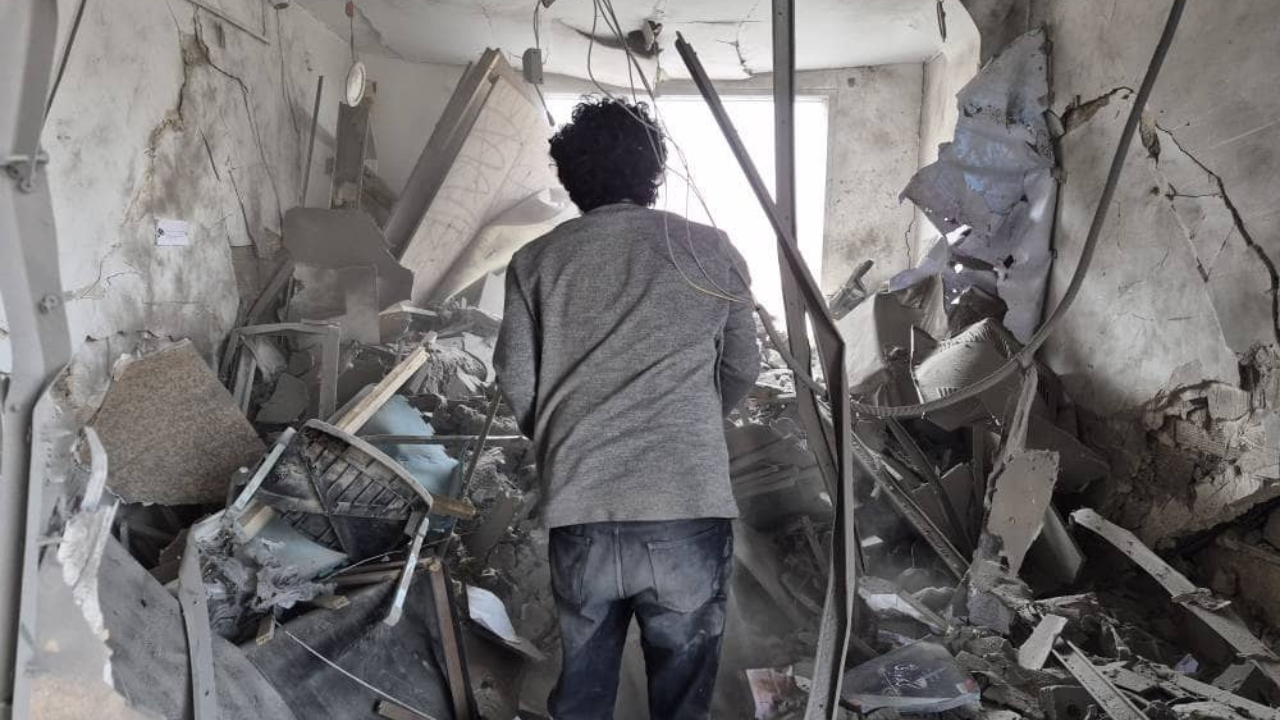
A dedicated musician in Tehran is capturing the fading echoes of his city by performing inside its decaying ruins. By playing instruments in abandoned buildings and historical sites that are scheduled for demolition, he aims to preserve the "last sound" of these spaces for a global audience. This project serves as a digital archive of Iranian heritage, ensuring that the cultural memory of these locations survives even after the physical structures are gone. His work has gained international attention, highlighting the tension between rapid urban development and the preservation of history.
Main Impact
The primary impact of this musical project is the creation of a permanent record of Tehran’s disappearing history. As the city undergoes fast-paced modernization, many older buildings from different eras are being torn down to make way for new apartments and shopping centers. By recording music in these specific environments, the artist captures the unique acoustics and "voice" of each location. This effort has turned a local act of artistic expression into a global conversation about heritage, loss, and the power of sound to tell a story that words or photos cannot fully capture.
Key Details
What Happened
The musician travels to various parts of Tehran, seeking out structures that have been left to crumble or are marked for destruction. These include old family homes, former theaters, and public spaces that once held great social value. Once inside, he sets up recording equipment and plays music that reflects the mood and history of the space. The goal is not just to play a song, but to let the building itself participate in the performance through its natural echoes and the way sound bounces off its aging walls.
Important Numbers and Facts
Tehran has seen a massive shift in its urban environment over the last twenty years. Thousands of historical buildings have been replaced by modern high-rises. In some neighborhoods, more than 60% of the original architecture has been lost to new construction. The musician’s recordings have reached hundreds of thousands of listeners online, creating a virtual museum of sounds. These performances often take place in secret or without official support, as the artist works quickly before the sites are closed off or destroyed by construction crews.
Background and Context
To understand why this matters, one must look at the changing face of Iran’s capital. Tehran is a city where the old and the new often clash. For many residents, these old buildings represent a connection to their ancestors and a slower, more traditional way of life. However, economic pressure and the need for more housing drive the constant cycle of demolition. Additionally, musicians in the region often face challenges when trying to find public spaces to perform. By choosing ruins as his stage, the artist finds a place where he can express himself freely while also paying tribute to the past.
Public or Industry Reaction
The reaction to these performances has been deeply emotional. On social media, many Iranians have expressed a sense of nostalgia, thanking the musician for honoring the places they grew up in. Internationally, music critics have praised the project for its raw honesty and the way it uses technology to save culture. Some heritage experts have pointed out that while photos can show what a building looked like, these recordings show what it "felt" like to be inside. However, there is also a sense of sadness among the public, as each new recording often signals that another piece of the city’s history is about to disappear forever.
What This Means Going Forward
Looking ahead, this project sets a new example for how artists can use their skills for cultural preservation. As more cities around the world face the same issues of rapid growth and the loss of historical sites, "sound preservation" could become a more common tool for historians. The musician plans to continue his work, moving to different cities to document their fading sounds. The digital files he creates will likely serve as a primary resource for future generations who want to understand the atmosphere of 21st-century Tehran before it was completely transformed.
Final Take
This musical journey is a reminder that history is not just found in books or museums; it lives in the air and the sounds of the places we inhabit. By recording the "last sound" of Tehran’s ruins, the artist ensures that even when the bricks and mortar are turned to dust, the spirit of the city remains audible. It is a powerful act of defiance against the passage of time and the cold reality of urban change, proving that art can bridge the gap between what was lost and what remains.
Frequently Asked Questions
Why does the musician play in ruins instead of a studio?
He plays in ruins to capture the unique acoustic properties of the old buildings. He believes that every space has its own voice, and he wants to record that specific sound before the building is destroyed.
Is it legal to record in these abandoned buildings?
In many cases, the artist enters these sites quietly and without formal permission. Because many of these buildings are neglected or waiting for demolition, they are often left unguarded, allowing him a short window of time to record.
What kind of instruments does he use?
The musician often uses traditional Iranian instruments, such as the setar or kamancheh, but he also incorporates modern electronic sounds. The choice of instrument often depends on the history and the "feeling" of the specific ruin he is visiting.



