
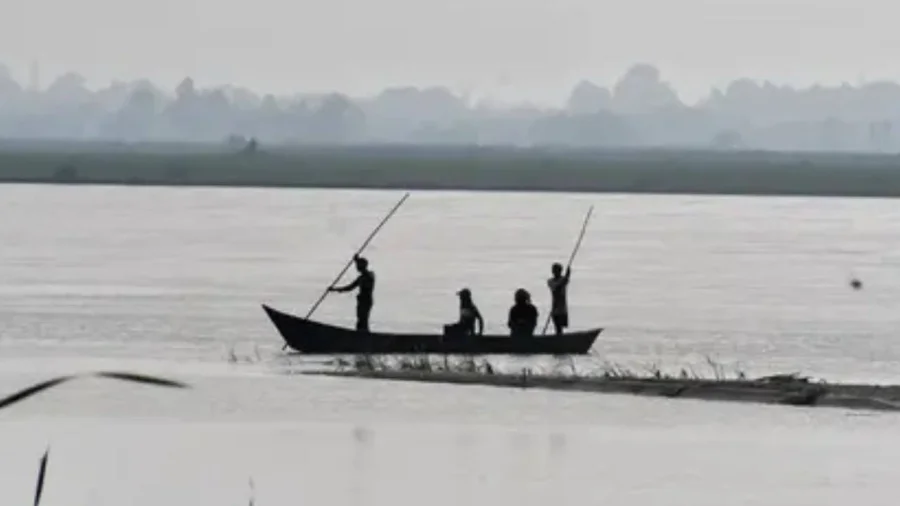
For millions of farmers in northern Bangladesh, the Teesta is the difference between a full harvest and a hard season. So when a Bangladeshi minister says the dispute over this river must not be allowed to damage relations with India, it carries weight far beyond a routine diplomatic statement.
Bangladesh's message: don't let Teesta poison the relationship
Minister Shahiduddin said Bangladesh does not want the Teesta dispute to hurt ties with India, according to the reported remarks. The statement signals Dhaka's attempt to separate a difficult water-sharing question from the broader partnership between the two neighbours.
Why the Teesta matters on both sides of the border
The Teesta begins in the Himalayas and flows through Sikkim and West Bengal before entering Bangladesh, where it joins the Jamuna — the Bangladeshi name for the Brahmaputra. The river is vital to northern Bangladesh, where farmers depend on its water. In West Bengal, several districts in North Bengal use it for irrigation and power generation.
A river that feeds livelihoods, not just politics
The human stakes make the dispute emotionally charged. For Bangladeshi farmers, Teesta water means crops, income and food security. For communities in North Bengal, it supports agriculture and electricity. Any disruption in the river's flow touches ordinary households on both sides.
Why this statement matters for India-Bangladesh ties
Shahiduddin's reported remarks suggest Bangladesh is choosing to keep the water row from spilling into the wider relationship. Diplomats would see such signals as an attempt to build trust — but the underlying dispute over sharing the Teesta's waters remains unresolved.
Confirmed facts vs what remains unclear
What is confirmed: the minister's reported position, the river's geography, and its importance to farming and power on both sides. What remains unclear: the timing and context of the remarks, whether any new proposal was discussed, and how India will respond. No official transcript or detailed statement was available for verification.
The risk of an unresolved water dispute
While the minister's tone is conciliatory, the dispute itself has not gone away. If water-sharing arrangements stay unresolved, public expectations in Bangladesh could rise — and that could complicate the very relationship Dhaka says it wants to protect. Water treaties take years of technical and political work.
What the Teesta tells us about regional water politics
The Teesta issue is a reminder that even close neighbours can have festering disagreements. Bangladesh's reported approach — refusing to let one dispute define the entire relationship — points to a maturing handling of a sensitive issue. But as demand for water grows on both sides, the pressure to find a solution will only increase.
What to watch next
For readers tracking India-Bangladesh relations, the next signals will come from official statements by both governments, water-resources commission meetings, and any movement toward a Teesta water-sharing agreement. Until formal details emerge, the minister's remarks indicate intent — not a settlement.
Our Take
The reported statement is notable for its tone. By saying the Teesta dispute should not hurt ties, Bangladesh is drawing a line between a technical water-sharing problem and its strategic relationship with India. That is mature statecraft — but it also raises expectations. The real test will be whether goodwill translates into a fair sharing arrangement that protects farmers on both sides of the border.
Frequently Asked Questions
What is the Teesta water dispute between India and Bangladesh?
The dispute is over how the waters of the Teesta River should be shared. The river flows from the Himalayas through Sikkim and West Bengal into Bangladesh, and both countries need its water for irrigation, power and daily life.
Why is the Teesta crucial for Bangladesh?
Northern Bangladesh depends heavily on the Teesta. Farmers use its water to grow crops, making the river central to agriculture and livelihoods in the region.
What did minister Shahiduddin say about India?
According to the reported remarks, the minister said Bangladesh does not want the Teesta dispute to hurt its ties with India — a signal that Dhaka wants to keep the river row from damaging the broader relationship.
Where does the Teesta River flow?
The Teesta rises in the Himalayas, flows through Sikkim and West Bengal in India, enters Bangladesh and eventually joins the Jamuna, Bangladesh's name for the Brahmaputra.



