
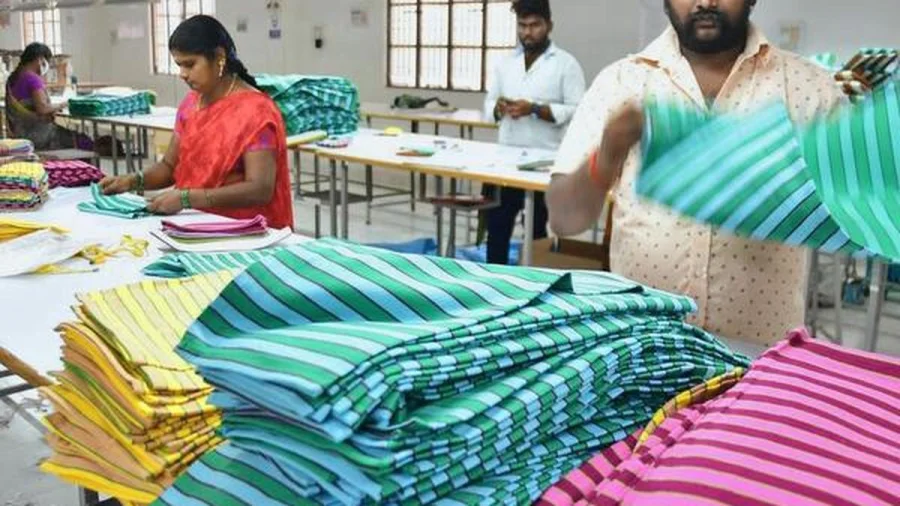
For lakhs of textile workers, small-scale entrepreneurs, and tourism operators in Tamil Nadu's western belt, the State Budget brings a rare moment of focused attention. The Finance Minister's announcement places textile, tourism, and energy initiatives at the centre of the region's development agenda — with a new scheme designed to push technical textiles into the global supply chain.
A closer look at the Technical Textiles Transformation Scheme
The Technical Textiles Transformation Scheme for Entrepreneurs is the standout proposal. According to the Finance Minister, it will be implemented in collaboration with international educational and research institutions — a signal that the state wants the region's textile ecosystem to move beyond traditional manufacturing into high-value technical fabrics.
Financial assistance will flow through the Tamil Nadu Technical Textiles Mission, which acts as the funding backbone for the initiative.
Why the Budget is betting on the western belt
The western districts have long been the engine room of Tamil Nadu's textile economy. The region already supplies global brands through its spinning mills and garment clusters — but technical textiles represent a higher-margin, future-ready segment that the Budget now seeks to capture.
The tourism and energy initiatives announced alongside the textile push suggest a three-pronged strategy: industrial growth, new revenue streams, and regional infrastructure development.
What the announcement means for local entrepreneurs
For entrepreneurs, the scheme opens a doorway to international expertise. The involvement of foreign educational and research institutions means local businesses could access advanced manufacturing know-how, modern testing facilities, and global quality standards — advantages previously concentrated in larger industrial centres.
The Tamil Nadu Technical Textiles Mission's financial role lowers one of the biggest barriers for small and mid-sized units: the cost of upgrading technology.
What remains to be clarified
While the broad contours are clear, several specifics are still awaited. District-wise allocations, the total outlay for the scheme, the names of partner international institutions, and implementation timelines have not been detailed in the announcement.
These details will determine how quickly the benefits reach ground-level businesses and workers in the western districts.
A careful reading of the Budget's regional focus
Budgets often carry symbolic weight for regions that feel overlooked. By placing western districts at the centre of textile, tourism, and energy plans, the state government is making a clear economic statement — that the region's industrial base deserves long-term, structured support rather than piecemeal incentives.
Success will depend on execution. The scheme's impact hinges on how effectively the mission disburses funds and how quickly international collaborations translate into on-ground training and technology transfer.
Confirmed facts vs what is still unknown
Confirmed: The scheme targets entrepreneurs. It involves international educational and research institutions. Funding comes from the Tamil Nadu Technical Textiles Mission.
Unclear: The exact budget allocation, the list of partner institutions, whether all western districts are included or only specific ones, and the rollout timeline. No official figures have been released for the textile, tourism, or energy components.
What entrepreneurs and industry should do now
For textile businesses in the western districts, the practical step is to track official notifications from the Tamil Nadu Technical Textiles Mission. Units interested in technical textiles should prepare project proposals, assess technology gaps, and explore tie-ups with research institutions — so they are ready when application windows open.
Tourism and energy stakeholders should monitor district-level announcements, as implementation details are expected to follow in phases.
The road ahead
The Budget marks a beginning, not an end. Whether the western districts emerge as true winners depends on how swiftly the scheme moves from the Finance Minister's speech to factory floors, tourist circuits, and energy projects on the ground.
The intent, however, is unmistakable: Tamil Nadu is betting on its western belt to lead the state's next phase of industrial evolution.
Our Take
Regional budgets are easy to announce and hard to deliver. The Technical Textiles Transformation Scheme is a genuinely forward-looking move — technical textiles are among the fastest-growing manufacturing segments globally, and Tamil Nadu's western districts have the industrial DNA to compete. But the absence of specific outlays and institutional names means the true test lies ahead. For now, the announcement gives the region a reason for cautious optimism — and a clear agenda for the months to come.
Frequently Asked Questions
What is the Technical Textiles Transformation Scheme for Entrepreneurs?
It is a scheme announced in the Tamil Nadu Budget to support entrepreneurs in the technical textiles sector. It will be implemented with international educational and research institutions, with financial assistance from the Tamil Nadu Technical Textiles Mission.
Which districts in Tamil Nadu will benefit from the Budget's initiatives?
According to the Budget announcement, the western districts of Tamil Nadu are the focus of the textile, tourism, and energy initiatives. The exact list of districts and specific allocations has not been officially detailed yet.
Who announced the Technical Textiles Transformation Scheme?
The scheme was announced by the Tamil Nadu Finance Minister during the State Budget presentation. The minister said financial assistance will come from the Tamil Nadu Technical Textiles Mission.
Why are technical textiles important for Tamil Nadu's western districts?
Technical textiles are high-value fabrics used in medical, automotive, construction, and industrial applications. They offer higher margins than traditional textiles and represent a growth segment where the western districts' existing manufacturing expertise can be leveraged.



