
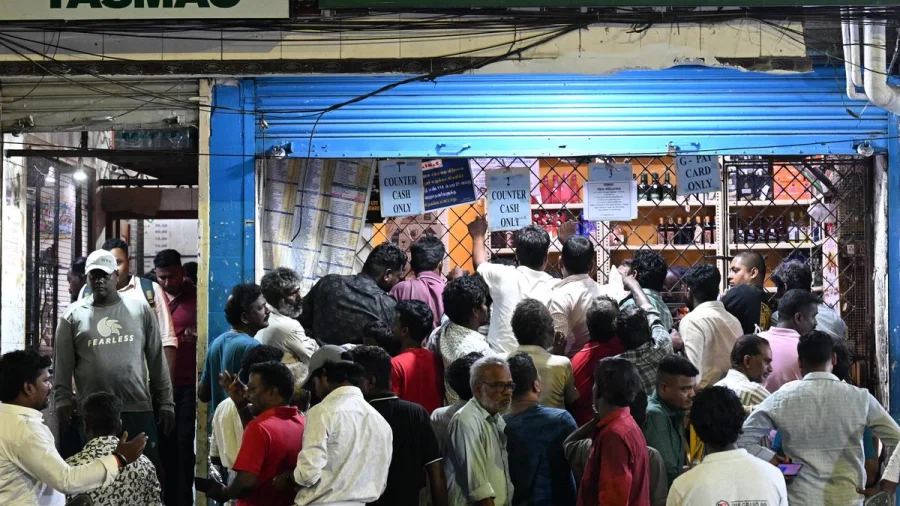
At the heart of Tamil Nadu's newest policy move is a layered question: should the price of a drink also cover the cost of what happens after it is consumed? A Bill introduced by the state government seeks to do exactly that — levying an environmental and social welfare cess on liquor sales, with the money earmarked for bottle recycling, safe disposal, and rehabilitation of those battling alcohol addiction.
A cess with two distinct goals
According to the brief accompanying the Bill, the cess proceeds would be directed into two broad streams. The first is environmental — recycling, safe disposal and reuse of liquor bottles and containers. The second is social — rehabilitation and de-addiction programmes for individuals affected by alcohol addiction.
This is not a routine tax hike. It builds a direct financial link between liquor consumption and the externalities it generates: packaging waste on one side, and the human cost of addiction on the other.
Why this goes beyond the checkout counter
Alcohol sales, legal and regulated, generate significant revenue for state exchequers across India. But the social and environmental costs of that consumption — from empty bottles piling up in landfills to families coping with addiction — are rarely folded back into the price.
Tamil Nadu's proposed cess attempts to bridge that gap. If implemented, every sale would contribute to cleaning up its own environmental footprint and to supporting those who need help quitting alcohol.
What the Bill says — and what it doesn't tell us yet
The headline announcement confirms the intent: an environmental and social welfare cess on liquor sales. What remains unspecified, at least in the available information, is the rate of the cess and how it will be collected — whether as a flat amount per bottle, a percentage of retail price, or a levy on manufacturers and distributors.
Those details matter. They will determine whether the burden falls on consumers at the counter, on liquor companies, or across the supply chain.
Who stands to feel the impact
For consumers, the immediate question is price. If the cess is passed on, retail liquor prices in Tamil Nadu could rise. For the state, the cess represents a new, dedicated revenue stream tied to a stable consumption base.
For public health workers and de-addiction centres, the promise of programme funding is significant — but only if the money is released and administered effectively. For environmental groups, the recycling and safe disposal mandate addresses a visible problem: the bottle waste generated by one of the country's largest liquor markets.
The official picture is still incomplete
As of now, no detailed official statement, draft Bill text, or government notification has been made available for verification. The announcement confirms the introduction of the Bill and its intended purpose, but several administrative questions remain open.
How the state plans to monitor recycling outcomes, which agencies will run the de-addiction programmes, and how funds will be audited are details still awaiting clarity.
Reading between the lines: a quiet policy shift
States have traditionally treated liquor as a dependable revenue source, with excise duties often rising quietly in budgets. Tamil Nadu's approach signals a different philosophy — using the tax itself as an instrument of social and environmental repair.
The symbolism matters too. Linking a liquor levy to de-addiction programmes sends a public health message: the state recognises the harm caused by alcohol, even as it continues to regulate and tax its sale.
Confirmed vs unclear: separating fact from speculation
Confirmed: A Bill has been introduced in Tamil Nadu to levy an environmental and social welfare cess on liquor sales. The stated purposes are recycling, safe disposal and reuse of liquor bottles and containers, and rehabilitation and de-addiction programmes.
Unclear: The cess rate, whether it applies to all categories of liquor, whether it will raise consumer prices, the implementation timeline, and how the funds will be governed. No official statement beyond the announcement is available at the time of writing.
Risks that need scrutiny
Every new levy carries unintended consequences. Industry observers may ask whether the additional cost pushes some consumers toward illicit liquor — a concern that has historically accompanied tax increases on alcohol, though no evidence in this case supports that projection.
On the other hand, supporters argue that ring-fencing the revenue for recycling and de-addiction creates accountability that general tax pools rarely offer. The success of the cess will ultimately depend on whether the money reaches the programmes it is meant to fund.
A pattern taking shape across Indian states
Indian states have experimented with a range of alcohol levies, from higher excise duties to special fees. What makes this proposal notable is its explicit, legally stated link to environmental and social welfare outcomes.
If the Bill passes, it could become a template — or at least a reference point — for other states weighing how to address the visible costs of alcohol consumption.
What citizens and consumers should watch for
Consumers should track the Bill's progress in the legislature, particularly any disclosure of the cess rate and how it is applied. Retail price changes, if any, would follow once the mechanism is finalised.
Public health and environmental groups should watch the fund administration framework closely — how allocations are made, who is eligible, and how outcomes are measured. For individuals seeking de-addiction support, the proposed programme funding could expand access to rehabilitation services over time.
Where the Bill goes from here
Legislative progress will determine how quickly the cess becomes operational. The next milestones are the publication of the Bill's full text, debate in the assembly, and eventual notification of the cess rate and collection rules.
Given that the announcement layers environmental and social welfare intent into a revenue measure, the implementation design will be watched closely — not just in Tamil Nadu, but across policy circles beyond it.
Our Take
The Tamil Nadu liquor cess Bill is an interesting experiment in policy linkage: it tries to make alcohol consumption pay for both its environmental residue and its human toll. The intent is commendable. The test will be in execution — in transparent fund flow, credible de-addiction programme delivery, and genuine improvement in bottle waste management.
For now, the Bill remains a framework with promise and unanswered questions. The fine print, as always, will decide whether this becomes a meaningful welfare measure or just another line on the price tag.
Frequently Asked Questions
What is the environmental and social welfare cess on liquor in Tamil Nadu?
It is a proposed levy on liquor sales introduced through a Bill in Tamil Nadu. The money collected would be used for recycling, safe disposal and reuse of liquor bottles and containers, as well as for rehabilitation and de-addiction programmes for people affected by alcohol addiction.
What will the cess money be used for?
The cess proceeds would fund two categories of initiatives: environmental measures such as recycling, safe disposal and reuse of liquor bottles and containers, and social welfare measures such as rehabilitation and de-addiction programmes for individuals affected by alcohol addiction.
Will liquor prices rise in Tamil Nadu because of the cess?
Not confirmed yet. The Bill introduces the cess, but the rate and collection mechanism have not been officially disclosed. Whether prices rise depends on how the levy is applied — and whether it is passed on to consumers at retail level.
Who will benefit from the de-addiction programmes funded by the cess?
Individuals affected by alcohol addiction are the intended beneficiaries. The Bill proposes to fund rehabilitation and de-addiction programmes from the cess proceeds, though the specific implementing agencies and programme framework are yet to be detailed.



