
Summary
Tamil Nadu Chief Minister M.K. Stalin has issued a strong warning to the central government regarding the upcoming delimitation process. He stated that the entire state would come to a complete halt if the federal government moves forward with plans that could reduce the state's political power. Stalin promised to lead a massive protest involving every family in Tamil Nadu to protect the state's rights. This move highlights the growing tension between southern states and the central administration over how parliamentary seats are divided.
Main Impact
The primary concern is that the delimitation process will punish states like Tamil Nadu for their success in population control. If the number of seats in the Lok Sabha is recalculated based on current population figures, states with higher population growth will gain more power. Meanwhile, states that followed national goals to limit population growth could lose their influence in the national government. This creates a major political divide and could lead to a significant shift in how India is governed.
Key Details
What Happened
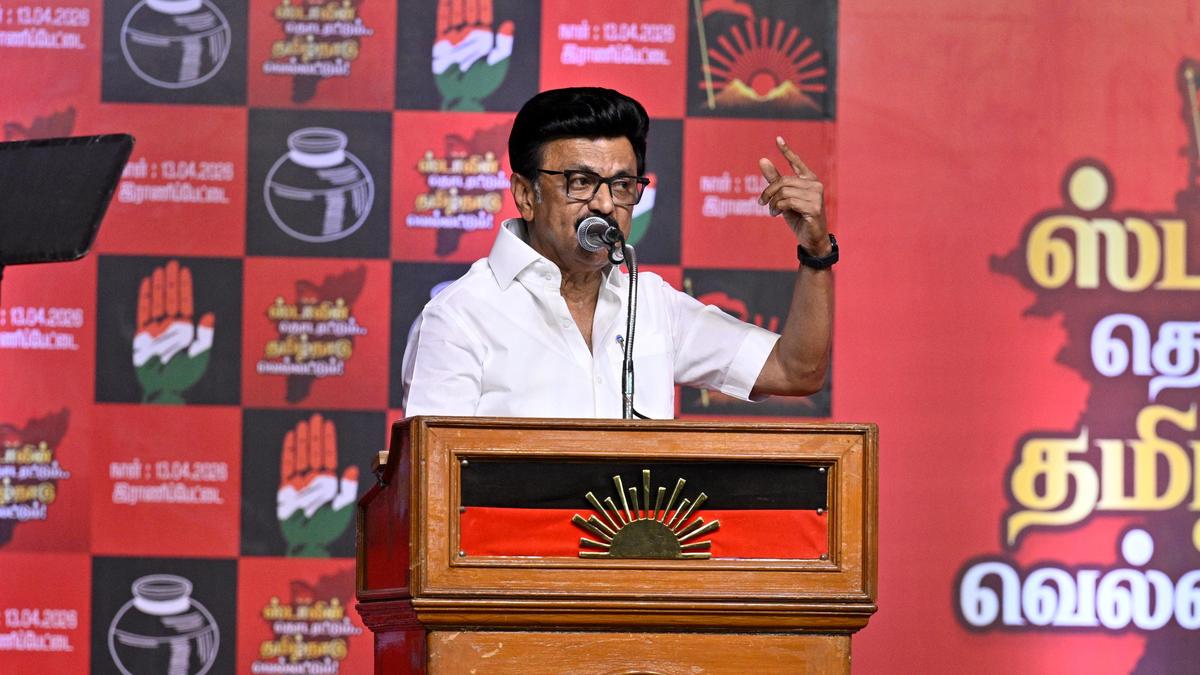
Chief Minister Stalin shared his message through a video address to the public. In the video, he made it clear that his government and the people of Tamil Nadu would not stay quiet. He described the potential changes as an injustice to the people who have worked hard to improve social and health standards. The Chief Minister emphasized that the protest would not just be a political event but a movement driven by the citizens themselves. He warned that the state would "come to a standstill" to show its strong opposition.
Important Numbers and Facts
The delimitation process is expected to happen after the next census. Currently, the number of seats in the Lok Sabha is based on the 1971 census data. Experts suggest that if the seats are updated using the latest population numbers, Tamil Nadu could see its share of parliamentary seats stay the same or even decrease while northern states gain dozens of new seats. This would mean that a single vote in a northern state might carry more weight in forming the central government than a vote in the south. Tamil Nadu currently has 39 seats in the Lok Sabha, and there are fears this number will not reflect the state's economic and social contributions to the country.
Background and Context
Delimitation is the act of redrawing the boundaries of parliamentary and assembly seats. This is usually done to make sure each seat has roughly the same number of voters. However, India has not updated these numbers for decades to prevent states from losing power just because they controlled their population growth. Southern states have invested heavily in education, healthcare, and family planning. Because of these efforts, their population growth has slowed down. In contrast, some northern states have seen their populations grow much faster. If the government uses only population numbers to decide seat counts, the states that were more successful in development will have less say in national laws.
Public or Industry Reaction
The reaction in Tamil Nadu has been very strong. Many local political parties, social activists, and citizens have expressed support for the Chief Minister's stance. There is a general feeling that the state is being treated unfairly. People argue that Tamil Nadu contributes a large amount of tax money to the central government but receives less in return compared to other states. The threat of a state-wide protest has caught the attention of national leaders, as a total shutdown of Tamil Nadu would have a major impact on the national economy, especially in the manufacturing and technology sectors.
What This Means Going Forward
The next few months will be critical for the relationship between the state and the central government. If the central government does not address these concerns, we could see large-scale strikes and demonstrations across Tamil Nadu. There may also be legal challenges in the Supreme Court to stop the delimitation process or change the rules on how seats are assigned. Other southern states like Kerala, Karnataka, and Telangana are also watching closely and may join Tamil Nadu in a united front. This could lead to a new debate about how power is shared between the center and the states in India.
Final Take
The issue of delimitation is about more than just drawing lines on a map; it is about the fairness of democracy. Tamil Nadu is demanding that its progress in social development should not lead to a loss of political voice. By threatening a massive protest, Chief Minister Stalin is making it clear that the state is ready to fight for its place in the union. The central government will need to find a way to balance population numbers with the need to treat all states fairly, or they risk a major political crisis that could affect the entire nation.
Frequently Asked Questions
What is delimitation?
Delimitation is the process of redrawing the boundaries of constituencies for the Lok Sabha and state assemblies to reflect changes in the population over time.
Why is Tamil Nadu protesting against it?
The state fears it will lose political power because its population has grown more slowly than northern states. This could result in fewer seats in Parliament compared to states with higher population growth.
When will the next delimitation happen?
The process is expected to begin after the next national census is completed, with many expecting changes to take effect around 2026 or shortly after.



