Summary
The Swayampurna Goa SARAS 2026 fair has reached its fourth day, drawing a large number of visitors to its vibrant stalls. This event is a key part of the state's effort to support rural artisans and small business owners. By providing a space for local creators to sell their goods, the fair helps promote self-reliance across the region. It serves as a bridge between traditional craftsmen and modern shoppers who are looking for unique, handmade items.
Main Impact
The primary impact of the SARAS 2026 fair is the economic boost it provides to rural families. Many of the sellers are part of self-help groups that rely on these events to make a significant portion of their yearly income. By removing the need for middle-men, the fair allows artisans to take home more profit. Additionally, the event encourages cultural exchange, as people from different parts of the country come together to share their traditions, food, and skills with the local community in Goa.
Key Details
What Happened
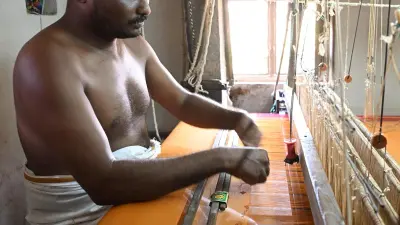
On the fourth day of the event, the fairgrounds saw a steady flow of people from early morning until late evening. The day was filled with activities, including live demonstrations where artisans showed how they make their products. Visitors spent time looking at a wide variety of goods, ranging from hand-woven clothes to organic food items. In the evening, the atmosphere became even more lively with traditional music and dance performances that entertained the crowds while they shopped.
Important Numbers and Facts
This year’s fair features more than 300 stalls, representing various states across India. Reports from the fourth day suggest that thousands of people have already visited the venue since the gates opened. The event is scheduled to run for several more days, with organizers expecting the highest turnout during the upcoming weekend. Many vendors have reported that their most popular items are already selling out, showing a high demand for authentic, rural products.
Background and Context
The SARAS fair is a well-known national initiative designed to help rural artisans find better markets for their work. In Goa, this event is closely linked with the "Swayampurna Goa" mission. This mission was started by the state government to make Goa self-sufficient. The idea is to encourage every village to produce its own unique goods and services. By hosting this fair, the government gives these village-based businesses a chance to compete with larger brands and reach a wider audience.
Public or Industry Reaction
The reaction from the public has been very positive. Many shoppers mentioned that they prefer buying from the fair because the products are more durable and have a personal touch compared to factory-made items. Local leaders have also praised the event for its role in empowering women, as a large majority of the stall owners are women from rural self-help groups. Vendors have expressed their gratitude for the platform, noting that the direct feedback they get from customers helps them improve their products for the future.
What This Means Going Forward
As the fair continues, the focus will remain on maintaining the momentum of sales and visitor interest. The success of the first four days suggests that there is a growing market for traditional crafts in Goa. Moving forward, the government may look into creating more permanent spaces or online platforms where these artisans can sell their goods year-round. For the remaining days of the 2026 fair, organizers are preparing for even larger crowds and are ensuring that all facilities, such as parking and food courts, are ready to handle the increase in people.
Final Take
The Swayampurna Goa SARAS 2026 fair is more than just a marketplace; it is a celebration of hard work and local talent. By visiting the fair and buying these products, citizens are playing a direct role in helping rural communities grow. The success of the fourth day proves that when local artisans are given the right tools and space, they can thrive and contribute greatly to the economy. It is a clear sign that the path to a self-reliant Goa is well underway.
Frequently Asked Questions
What kind of products can I find at the SARAS fair?
You can find a wide range of items including handmade jewelry, clay pottery, hand-woven sarees, leather goods, and home decor. There are also many stalls selling organic spices, pickles, and traditional snacks.
Who organizes the Swayampurna Goa SARAS fair?
The fair is organized by the state government in collaboration with rural development agencies. It is designed to support the Sale of Articles of Rural Artisans Society (SARAS) and the local Swayampurna Goa mission.
Is there an entry fee for the public?
Usually, entry to the SARAS fair is free or involves a very small fee to help with the management of the venue. It is open to everyone who wants to support local artisans and enjoy traditional food and culture.