
Summary
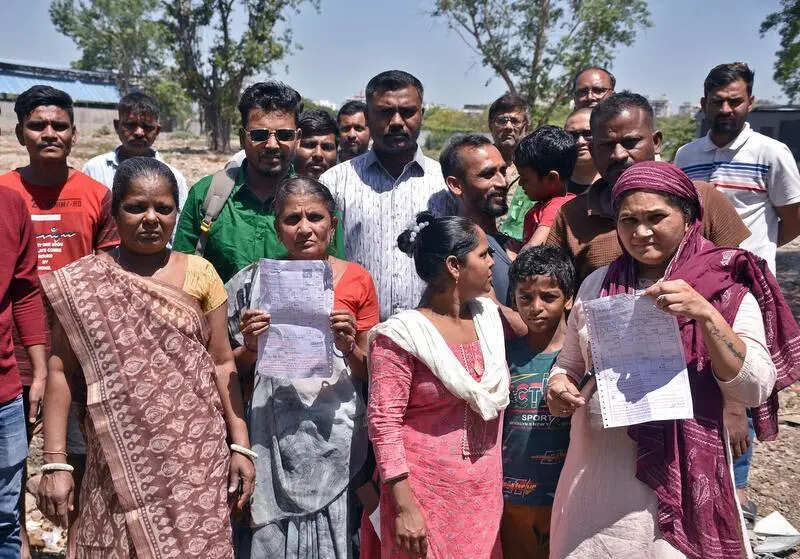
The Surat Municipal Corporation (SMC) has caused confusion and worry among many residents by sending property tax bills for houses that no longer exist. These homes were part of the Economically Weaker Section (EWS) housing projects and were torn down by the city itself for redevelopment. Families who are already struggling financially are now being asked to pay taxes on property that was destroyed months or even years ago. This situation highlights a major lack of communication between different departments within the city government.
Main Impact
The primary impact of this error falls on the poorest citizens of Surat. People living in EWS housing often have very little money and rely on government support for their homes. Receiving a tax bill for a demolished house is not just a mistake; it is a financial threat. Many of these residents are currently living in temporary shelters or rented rooms while they wait for new homes to be built. Being asked to pay for a house they can no longer live in adds a heavy emotional and financial burden to their lives.
Key Details
What Happened
The Surat Municipal Corporation recently issued its yearly property tax bills to residents across the city. However, many people who used to live in EWS colonies were shocked to find bills in their mailboxes. These residents had their homes demolished by the SMC as part of a plan to build newer, better housing units. Even though the buildings are gone and the land is empty, the city’s tax system still lists the properties as active. This means the computer system automatically generated bills based on old records that were never updated after the demolition crews finished their work.
Important Numbers and Facts
The bills were sent to hundreds of families who previously lived in various EWS quarters across Surat. In some cases, the tax amounts requested are quite high because they include penalties for "late payments" from previous years. The residents are being asked to pay for services like water and drainage that they cannot use because the pipes were cut when the buildings were torn down. Most of these families earn very low monthly wages, making any government bill a significant part of their total income. The demolition of these old EWS blocks is part of a larger city-wide plan to modernize housing, but the administrative side of the plan has failed to keep up with the physical work.
Background and Context
EWS housing is a government program designed to provide affordable homes to people with low incomes. In cities like Surat, many of these housing projects were built decades ago and have become unsafe or too small for growing families. To fix this, the SMC often decides to tear down old buildings and build new high-rise apartments on the same land. During this time, residents are usually given a small amount of money for rent or moved to other temporary locations. Property tax is a fee that homeowners pay to the city to fund public services like roads, streetlights, and trash collection. Normally, when a building is destroyed, the tax should stop because the property is no longer providing a place to live or using city services.
Public or Industry Reaction
The reaction from the affected families has been one of anger and frustration. Many residents have had to take time off from work to visit city offices and explain that their homes are gone. Community leaders have criticized the SMC for being disorganized. They argue that if one department of the city knows a building is being demolished, the tax department should be informed immediately. Critics say this mistake shows that the city's digital records are not being managed properly. There are calls for the SMC to cancel these bills immediately and apologize to the families for the unnecessary stress caused by the error.
What This Means Going Forward
This event shows that the Surat Municipal Corporation needs to improve how its different departments talk to each other. To prevent this from happening again, the city must create a system where a demolition permit automatically triggers a stop on property tax billing. For the residents, the next step involves a long process of filing paperwork to prove their old homes are gone. The city will likely have to cancel thousands of rupees in incorrect tax charges. If the SMC does not fix its record-keeping, more residents could face similar problems as other old housing projects are scheduled for demolition in the coming months.
Final Take
Government departments must work together to ensure that the most vulnerable citizens are not punished for administrative mistakes. Charging tax on a pile of rubble is a clear sign of a broken system. The city must act quickly to correct these records and ensure that families waiting for new homes are treated with fairness and respect. Efficiency in city planning should include accurate paperwork, not just the physical removal of old buildings.
Frequently Asked Questions
Why did the SMC send tax bills for houses that were torn down?
The city's tax department did not update its records after the housing department demolished the buildings. The system still showed the houses as standing, so it automatically sent out the bills.
Do the residents have to pay these bills?
Technically, they should not have to pay for a house that does not exist. However, they must visit the municipal office to report the error and have the bill canceled officially.
What is EWS housing?
EWS stands for Economically Weaker Section. These are government-funded homes built specifically for people and families who have very low annual incomes.



