
Summary
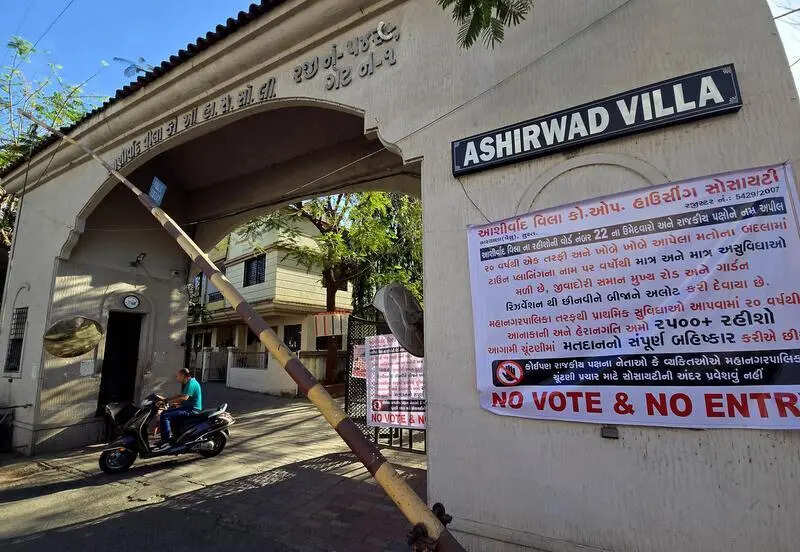
Residents in several housing societies in Surat have announced a collective decision to boycott the upcoming elections. This move comes after years of frustration over unresolved civic problems, including poor road conditions and inadequate drainage systems. The locals have made it clear that they will not cast their votes until the authorities take concrete steps to fix these long-standing issues. By choosing to stay away from the polling booths, these citizens are using their voting power as a tool to demand better living conditions and accountability from their local government.
Main Impact
The decision to skip the elections has a significant impact on the local political environment. When large groups of people refuse to vote, it creates a sense of urgency for political candidates and city officials. This protest highlights a major gap between the promises made by leaders and the actual work done on the ground. It also puts the Surat Municipal Corporation (SMC) under pressure to explain why basic services have been neglected for so long. For the residents, this is a desperate attempt to get the attention they feel they have lost over the years.
Key Details
What Happened
In various parts of Surat, residents have started putting up large banners and posters outside their housing complexes. These signs carry a simple but strong message: "No Road, No Vote." The protest is not tied to any single political party but is a general outcry against the lack of basic infrastructure. People living in these societies claim that they have sent numerous letters and complaints to the municipal office, but no action has been taken. They are tired of navigating broken roads and dealing with overflowing sewers, especially during the rainy season when the situation becomes even worse.
Important Numbers and Facts
While the exact number of societies varies, reports suggest that several neighborhoods in the growing areas of the city are part of this movement. Many of these residents have been paying their property taxes regularly for over five to ten years. Despite this financial contribution to the city, they argue that their streets lack proper paving, streetlights, and clean water connections. The protest is timed specifically with the election cycle to ensure that the candidates who come seeking votes are met with the reality of the residents' daily struggles.
Background and Context
Surat is often recognized as one of the fastest-growing cities in India, known for its diamond and textile industries. However, rapid growth often leads to uneven development. While the main city centers might see modern bridges and clean parks, the residential societies on the outskirts or in newly developed zones often struggle for basic needs. This is not the first time a "poll boycott" has been used as a form of protest in India. It is a common way for citizens to show that they are unhappy with the performance of their elected representatives. In many cases, these protests are the only way for common people to make their voices heard in a system that they feel ignores them once the election is over.
Public or Industry Reaction
The reaction from the public has been one of strong support within the affected communities. Neighbors who used to disagree on politics are now united by their shared problems. On social media, many people are praising the societies for standing up for their rights. On the other hand, local political leaders are reportedly worried. Some candidates have already started visiting these societies to offer fresh promises, but the residents remain skeptical. They have heard these promises before and are now demanding work orders and physical evidence of construction instead of just words. City officials have stated that they are looking into the budget for these areas, but for many residents, this response is too little and too late.
What This Means Going Forward
If the boycott continues, it could lead to a lower voter turnout in specific wards, which might change the outcome of the local elections. This situation serves as a warning to urban planners and government officials that infrastructure must keep up with housing growth. In the coming weeks, we may see the municipal corporation quickly approve new road projects to calm the protesters. However, if the issues are not solved, this trend of boycotting elections could spread to other parts of the city or even other states. It shows that voters are becoming more aware of their rights and are less willing to accept poor service in exchange for their taxes.
Final Take
The situation in Surat is a clear reminder that democracy is about more than just casting a vote every few years; it is about the quality of life that follows. When citizens feel that their basic needs are being ignored, they will eventually find ways to protest. The "No Road, No Vote" campaign is a powerful statement of frustration. It forces a conversation about where tax money is being spent and why some neighborhoods are left behind. Whether or not the residents actually stay away from the polls, they have already succeeded in making their problems a central part of the election discussion.
Frequently Asked Questions
Why are Surat residents boycotting the elections?
Residents are boycotting because they are unhappy with long-pending civic issues like broken roads, poor drainage, and lack of basic services that have not been fixed despite many complaints.
What does the "No Road, No Vote" slogan mean?
It is a protest slogan used by citizens to tell political candidates that they will not participate in the voting process unless their local roads and infrastructure are repaired first.
How has the government responded to the protest?
Local officials and political candidates have started reaching out to the residents to discuss their concerns, but many residents are waiting for actual construction work to begin before they change their minds about the boycott.



