
Summary
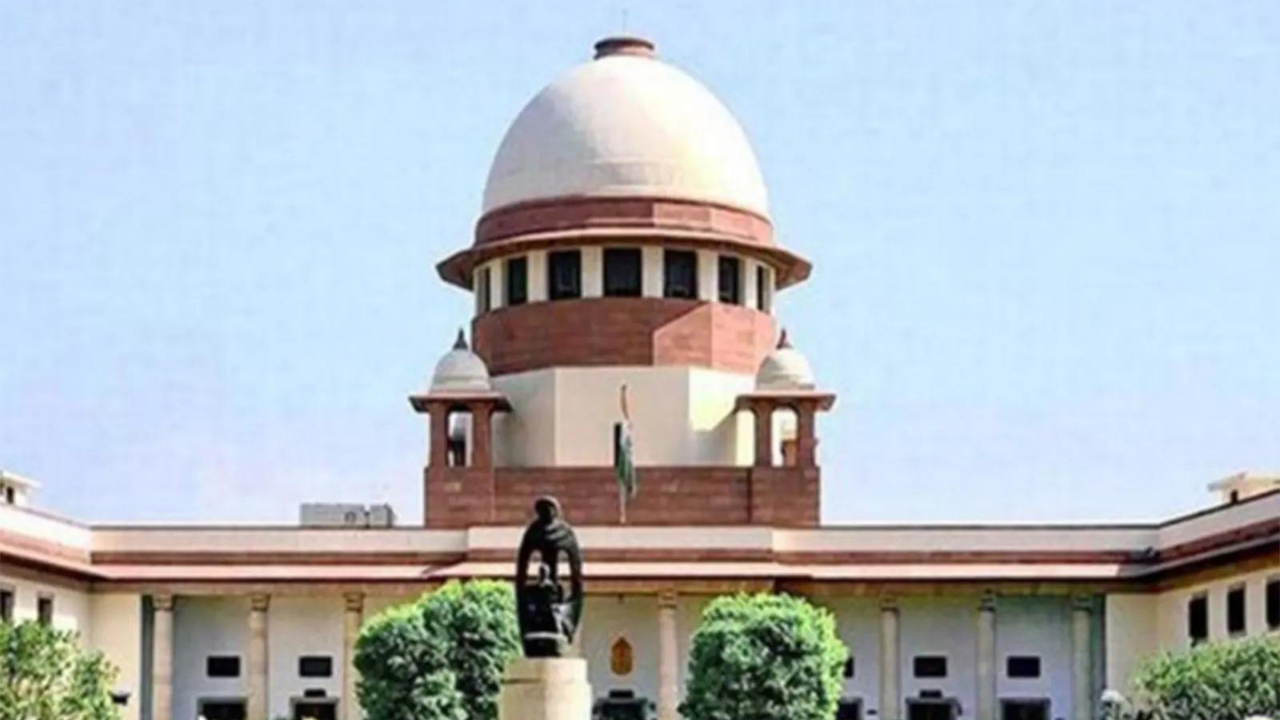
The Supreme Court of India is currently examining the limits of its own power regarding religious traditions. The central question is whether secular courts have the right to decide which religious practices are essential and which can be banned. This discussion arose during a legal debate about long-standing traditions, such as the nudity practiced by Digambar Jain sadhus and Naga Sadhus. The outcome of this case could change how the government and the legal system interact with religious groups across the country.
Main Impact
This legal debate touches on the core of religious freedom in India. If the court decides to limit its own scrutiny, religious communities will gain more autonomy over their rituals and customs. However, if the court maintains a high level of oversight, it could lead to further legal challenges against practices that some people view as outdated or controversial. The decision will directly affect how Article 25 of the Constitution, which guarantees the right to practice religion, is applied in future cases involving temples, mosques, and other religious institutions.
Key Details
What Happened
During the court proceedings, the Travancore Devaswom Board presented a strong argument against judicial interference in spiritual matters. The board argued that a court of law is not the right place to judge the core beliefs of a faith. They pointed out that religious practices are based on the deep-seated beliefs of a community rather than external logic or modern social standards. To support their point, they mentioned the Digambar Jain monks, who do not wear clothes as a sign of giving up worldly possessions. They argued that such practices are fundamental to the faith and should not be subject to bans by the state or the courts.
Important Numbers and Facts
The legal discussion centers on Article 25 of the Indian Constitution. This article provides every citizen the freedom to profess, practice, and spread their religion. However, this right is not absolute and can be restricted for reasons of public order, morality, and health. The Travancore Devaswom Board also cited a specific legal precedent from the Supreme Court of Nepal. In that country, the court ruled in favor of Naga Sadhus, stating that their traditional practices were protected. The board suggested that Indian courts should follow a similar path and respect the internal rules of religious groups.
Background and Context
For many years, Indian courts have used something called the "essential religious practices" test. This means that when a religious practice is challenged, judges try to determine if that practice is a necessary part of the religion. If the judge decides it is not "essential," the court can allow the government to regulate or ban it. This has been a point of tension for decades. Many religious leaders feel that judges, who are trained in law rather than theology, are not qualified to decide what is important to a religion. On the other hand, reformers argue that the court must intervene when religious practices violate human rights or modern laws.
Public or Industry Reaction
The reaction to this debate has been divided. Legal experts are watching the case closely because it could redefine the separation of church and state in India. Some human rights activists believe that the court must keep its power to step in, especially if a practice is harmful or discriminatory. Meanwhile, many religious organizations support the Travancore Devaswom Board's stance. They believe that constant legal challenges to their traditions create a sense of uncertainty and disrespect for ancient customs. The mention of the Nepal ruling has also sparked interest, as it shows how neighboring countries handle similar cultural and religious issues.
What This Means Going Forward
The Supreme Court's final view on this matter will serve as a guide for all lower courts in India. If the court moves away from the "essential practices" test, it might lead to fewer lawsuits against religious traditions. However, it could also make it harder for the government to pass social reforms that affect religious groups. The court must find a way to balance the protection of ancient traditions with the need to uphold the modern rights of all citizens. This case is not just about one or two specific groups; it is about the future of how a diverse society manages its different beliefs under a single set of laws.
Final Take
The struggle between religious tradition and legal oversight is a complex issue that does not have an easy answer. By questioning the limits of judicial scrutiny, the Supreme Court is acknowledging that some parts of human life may exist outside the reach of standard legal logic. The final decision will be a landmark moment for Indian democracy, determining how much freedom religious communities truly have to follow their own paths without fear of legal intervention.
Frequently Asked Questions
What is Article 25 of the Indian Constitution?
Article 25 gives all people in India the right to follow, practice, and share their religious beliefs, as long as it does not hurt public order, health, or morality.
Why are Digambar Jain monks mentioned in this case?
Digambar Jain monks practice total nudity as a way to show they have let go of all worldly attachments. The court is discussing whether such practices should be protected from government bans.
What is the "essential religious practices" test?
It is a rule used by Indian courts to decide if a religious custom is a core part of the faith. If a practice is found to be essential, it receives more protection under the law.



