
Summary
The Supreme Court has refused to hear a plea from the DMK party that sought to stop leaders of the ruling Tamilaga Vettri Kazhagam (TVK) from making public comments about the Karur stampede case. The DMK had argued that statements by Chief Minister C. Joseph Vijay and Minister Aadhav Arjuna could influence witnesses. The court advised the DMK to withdraw the plea and seek other legal options.
Main Impact
The Supreme Court's decision means that TVK leaders, including Chief Minister Vijay and Minister Arjuna, can continue to make public statements about the Karur stampede case without immediate court restrictions. The DMK had wanted the court to stop these remarks, claiming they could harm the fairness of the ongoing CBI investigation. The court's refusal to hear the plea leaves the DMK with no direct legal block against such statements for now.
Key Details
What Happened
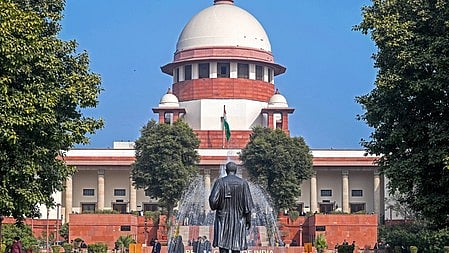
On Tuesday, a Supreme Court bench of justices K.V. Viswanathan and Alok Aradhe heard a plea from the DMK. The party wanted the court to stop TVK leaders from making public statements that could allegedly influence witnesses in the Karur stampede case. The bench told the DMK's lawyer that it was not inclined to consider the application. The DMK then withdrew the plea, and the court allowed them to pursue other legal remedies.
Important Numbers and Facts
The Karur stampede happened on September 27, 2025, during a TVK rally. It killed 41 people and injured 142 others. The Supreme Court had earlier transferred the investigation to the CBI, supervised by a committee led by former Supreme Court judge Justice Ajay Rastogi. The court had expressed concern about how the case was handled earlier, saying "something is wrong" with the proceedings in the Madras High Court.
Background and Context
The DMK's plea was filed by its organizing secretary, R.S. Bharathi. He wanted to join the ongoing court proceedings in the Karur stampede case. The DMK argued that TVK leaders should not make public comments until the CBI investigation, which is being monitored by the court, is complete. The party also asked for an FIR against Minister Aadhav Arjuna, claiming his statements could prejudice the investigation. The DMK pointed to a speech by Arjuna on July 2, where he allegedly said there was "a score to settle" and blamed the previous DMK government for the tragedy. The DMK also raised concerns about Chief Minister Vijay's plan to visit Karur to distribute government benefits to victims' families, arguing that direct contact with witnesses could affect the investigation's independence.
Public or Industry Reaction
The DMK has expressed concern that public statements by TVK leaders could influence witnesses and compromise the CBI probe. The party has not objected to welfare measures for victims' families but has questioned the timing and nature of interactions by those connected to the case. The Supreme Court's decision to not hear the plea suggests that the court did not see immediate grounds to restrict the leaders' speech. The TVK has not publicly commented on the court's decision.
What This Means Going Forward
The DMK can now pursue other legal options, such as filing a fresh petition in a lower court or seeking other remedies. The CBI investigation into the Karur stampede will continue under the supervision of the committee led by former Justice Ajay Rastogi. The court's refusal to hear the plea does not affect the ongoing investigation. However, the DMK's concerns about witness influence remain unresolved. The case highlights the political tensions between the DMK and the ruling TVK over the handling of the tragedy.
Final Take
The Supreme Court's decision to not hear the DMK's plea shows that the court is cautious about restricting public speech, even in sensitive cases. The DMK will need to find other legal ways to address its concerns. The Karur stampede case continues to be a major political issue in Tamil Nadu, with both parties using it to make their points. The CBI investigation remains the key focus for determining what happened and who is responsible.
Frequently Asked Questions
Why did the Supreme Court refuse to hear the DMK's plea?
The Supreme Court bench indicated it was not inclined to consider the application. The DMK then withdrew the plea with the court's permission, allowing them to seek other legal remedies.
What is the Karur stampede case about?
The Karur stampede happened on September 27, 2025, during a TVK rally. It resulted in 41 deaths and 142 injuries. The investigation was transferred to the CBI by the Supreme Court, which is supervising the probe through a committee led by a former judge.
What did the DMK want from the court?
The DMK wanted the court to stop TVK leaders, including Chief Minister Vijay and Minister Arjuna, from making public statements that could influence witnesses. They also sought an FIR against Minister Arjuna for his alleged remarks about the case.

