
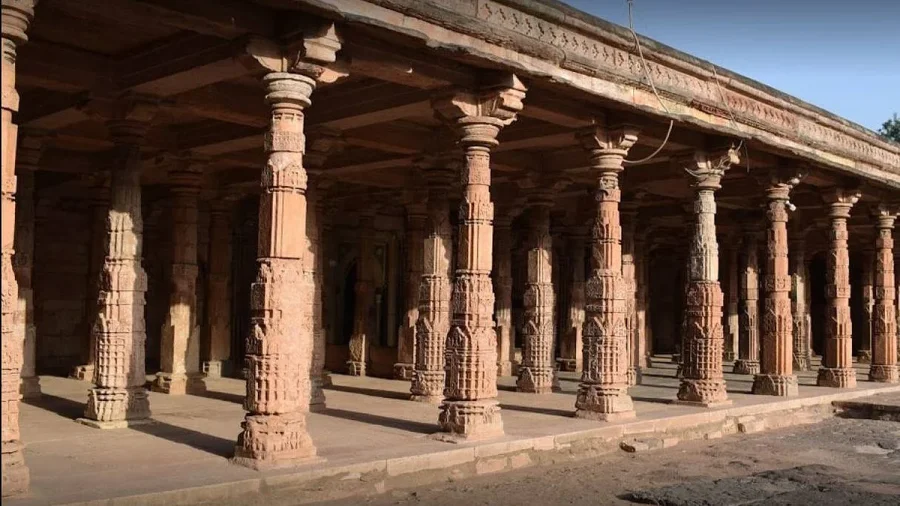
The Supreme Court of India on Wednesday agreed to hear a plea from the Muslim side challenging the location of the alternative site identified by the Madhya Pradesh government for Friday namaz near the disputed Bhojshala complex in Dhar. The development marks the latest legal twist in a long-running dispute over the historic site.
Why the Distance of the Prayer Site Matters
The Muslim petitioners have argued that the proposed alternative site, located between 900 meters and 2 kilometers away from the Bhojshala complex, is too far for worshippers. They claim the distance makes it difficult to perform Friday prayers on time, a key religious obligation. For many, missing the congregational prayer is a significant concern.
Court’s Directive to the Madhya Pradesh Government
A bench led by Chief Justice Surya Kant, along with Justices Joymalya Bagchi and V. Mohana, heard the matter. The court directed the state government, represented by Solicitor General Tushar Mehta, to explore options for identifying a prayer site adjacent to the Bhojshala complex, as per an earlier court order. The directive signals the court’s intent to find a practical solution that respects both religious practices and legal orders.
Government’s Assurance on the Bhojshala Issue
Solicitor General Tushar Mehta assured the court that he would personally look into the matter. This commitment from the central law officer representing the state suggests the government is taking the court’s concerns seriously. The assurance also indicates a willingness to engage with the petitioners’ grievances.
Human Impact on Worshippers in Dhar
For the Muslim community in Dhar, the location of the prayer site is not just a legal issue but a daily reality. The current alternative site, they say, disrupts their ability to participate in Friday prayers, a central act of worship. The emotional and religious significance of the dispute cannot be overstated, as it directly affects the community’s ability to practice their faith freely.
Background of the Bhojshala Complex Dispute
The Bhojshala complex in Dhar is a centuries-old structure that has been a point of contention between Hindu and Muslim groups. Hindus claim it as a temple dedicated to Goddess Saraswati, while Muslims assert it as a mosque. The Archaeological Survey of India (ASI) currently manages the site, with a court-ordered arrangement allowing Hindus to worship on Tuesdays and Muslims to offer namaz on Fridays. The dispute over the alternative namaz site is the latest chapter in this ongoing legal battle.
What the Supreme Court Order Means
The court’s decision to hear the plea and direct the state to explore adjacent options is significant. It shows the judiciary is actively seeking a resolution that balances the rights of both communities. The order also puts pressure on the state government to find a workable solution, potentially setting a precedent for how similar disputes are handled.
Confirmed Facts vs What Remains Unclear
Confirmed: The Supreme Court has agreed to hear the plea. The Muslim side has challenged the distance of the alternative site. The court has asked the state to explore adjacent options. Solicitor General Mehta has assured personal attention.
Unclear: The exact timeline for the next hearing. The specific location of the proposed adjacent site. The final decision on whether the alternative site will be moved. The response of the Hindu side to the plea.
Risks and Balanced View on the Bhojshala Dispute
While the court’s intervention is a positive step, risks remain. Any decision on the alternative site could be seen as favoring one community over the other, potentially escalating tensions. The Hindu side may argue that the current arrangement is already a compromise. A balanced resolution requires careful consideration of both religious sentiments and legal precedents, without inflaming communal passions.
Wider Trend of Religious Site Disputes in India
The Bhojshala case is part of a broader pattern of religious site disputes in India, including the Ayodhya and Gyanvapi cases. These disputes often involve complex historical claims, legal battles, and communal sensitivities. The Supreme Court’s handling of the Bhojshala matter will be closely watched as a test of its ability to manage such sensitive issues.
Practical Guidance for Affected Worshippers
For now, Muslim worshippers in Dhar should continue to use the current alternative site as directed by the court. They can monitor legal updates through reliable news sources and community leaders. It is advisable to maintain calm and avoid any actions that could disrupt the peace. The legal process is ongoing, and a final resolution may take time.
Future Outlook for the Bhojshala Case
The next steps will likely involve the Madhya Pradesh government submitting a report on possible adjacent sites. The court may then hear both sides before making a final decision. A swift resolution is possible if both parties agree, but the case could also drag on if disagreements persist. The outcome will have implications for the broader Bhojshala dispute and similar cases across the country.
Our Take
The Supreme Court’s intervention in the Bhojshala alternative namaz site issue is a welcome move that prioritizes practical solutions over legal rigidity. The core question is not just about distance but about ensuring religious freedom without disrupting public order. The court’s directive to explore adjacent options shows sensitivity to the worshippers’ needs. However, the real test will be in implementation. The state government must act swiftly and transparently to find a site that is acceptable to all parties. This case underscores the need for a balanced, humane approach to religious disputes in India.
Frequently Asked Questions
What is the Bhojshala complex dispute about?
The Bhojshala complex in Dhar, Madhya Pradesh, is a historic site claimed by Hindus as a temple and by Muslims as a mosque. The ASI manages it, with a court order allowing Hindus to worship on Tuesdays and Muslims on Fridays.
Why is the Muslim side challenging the alternative namaz site?
The Muslim petitioners argue that the proposed alternative site, located 900 meters to 2 km away from the Bhojshala complex, is too far, causing them to miss Friday prayers.
What did the Supreme Court order in the latest hearing?
The court agreed to hear the plea and directed the Madhya Pradesh government to explore options for a prayer site adjacent to the Bhojshala complex, as per an earlier order.
What happens next in the Bhojshala case?
The state government is expected to submit a report on possible adjacent sites. The court will then hear both sides before making a final decision on the alternative namaz location.

