
Summary
The Supreme Court has refused to stop a Madhya Pradesh High Court order in the Bhojshala dispute. However, it gave interim relief to the Muslim side by directing authorities to provide a suitable open space near the complex for Friday prayers. The court also ordered the Archaeological Survey of India (ASI) to keep the current condition of the structure unchanged. The matter will be heard again after three weeks.
Main Impact
The Supreme Court's decision means that while the High Court order stands, Muslims will now have a designated open space near the Bhojshala complex for Friday prayers. This provides temporary relief to the Muslim community, which had argued that the High Court's order excluded them from religious activities at the site. The ASI has been directed to maintain the status quo, ensuring no changes to the disputed structure during the legal process.
Key Details
What Happened
A bench led by the Chief Justice of India heard petitions from the Muslim side challenging the Madhya Pradesh High Court's order in the Bhojshala dispute. The Supreme Court refused to stay the High Court ruling but granted interim relief by ordering authorities to identify and make available an open space near the complex for Friday prayers. The court also issued notice on the petitions and scheduled the next hearing in three weeks.
Important Numbers and Facts
The Supreme Court directed that the open space be available every Friday from 1 pm to 3 pm for offering namaz. The court also ordered the ASI to maintain the status quo at the Bhojshala complex in Dhar, Madhya Pradesh, and ensure no changes are made to the existing structure. The matter will be heard again after three weeks, with the court aiming for an early resolution.
Background and Context
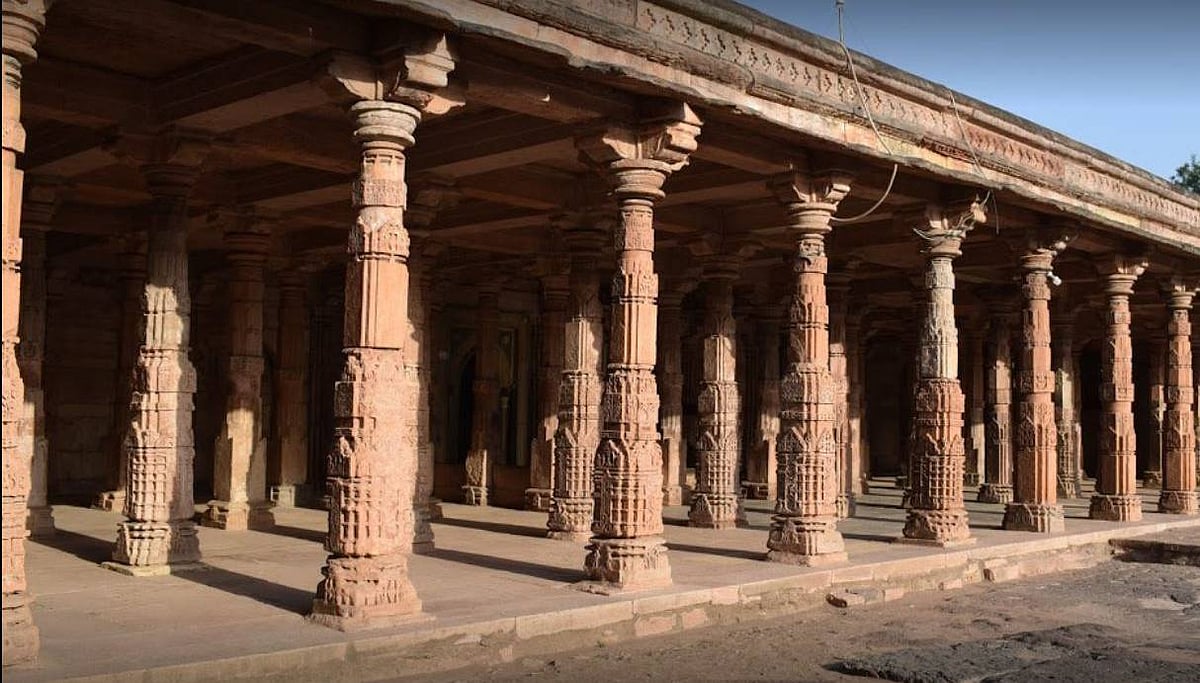
The Bhojshala dispute involves a historic structure in Dhar, Madhya Pradesh, with competing claims over religious rights and worship. The site is managed by the ASI and has been a point of contention between Hindu and Muslim groups. The High Court's order had changed the previous arrangement for religious activities, leading the Muslim side to challenge it in the Supreme Court. The dispute highlights ongoing tensions over religious sites in India.
Public or Industry Reaction
Senior advocate Huzefa Ahmadi, representing the Muslim side, argued that the High Court's order abruptly changed the previous arrangement without giving the Muslim parties adequate time to approach the Supreme Court. He contended that the Muslim community had been effectively excluded from religious activities at the site. The Supreme Court acknowledged these concerns by providing interim relief through the designated open space for Friday prayers.
What This Means Going Forward
The Supreme Court's interim order provides temporary relief to the Muslim community while the legal process continues. The ASI's directive to maintain the status quo ensures that the physical condition of the Bhojshala complex remains unchanged. The court's effort to seek an early resolution suggests that the dispute may be resolved sooner rather than later. However, the core issue of religious rights at the site remains unresolved and will be addressed in the next hearing.
Final Take
The Supreme Court's decision balances the need for legal process with immediate practical relief. By allowing Friday prayers near the complex while maintaining the status quo, the court has temporarily addressed the concerns of the Muslim side without overturning the High Court order. The next hearing in three weeks will be crucial in determining the long-term arrangement for the Bhojshala complex.
Frequently Asked Questions
What is the Bhojshala dispute about?
The Bhojshala dispute is a legal and religious conflict over a historic structure in Dhar, Madhya Pradesh. Both Hindu and Muslim groups claim rights to worship at the site, which is managed by the Archaeological Survey of India. The dispute has been ongoing for years and involves questions about religious access and the preservation of the structure.
What did the Supreme Court order in this case?
The Supreme Court refused to stay the Madhya Pradesh High Court's order but provided interim relief to the Muslim side. It directed authorities to provide a suitable open space near the Bhojshala complex for Friday prayers from 1 pm to 3 pm. The court also ordered the ASI to maintain the current condition of the structure and scheduled the next hearing in three weeks.
What happens next in the Bhojshala dispute?
The Supreme Court will hear the matter again after three weeks. The court has indicated it will try to resolve the dispute early. Until then, the ASI must keep the structure unchanged, and Muslims can use the designated open space for Friday prayers. The final decision on religious rights at the site will depend on the court's ruling in the next hearing.

