
Summary
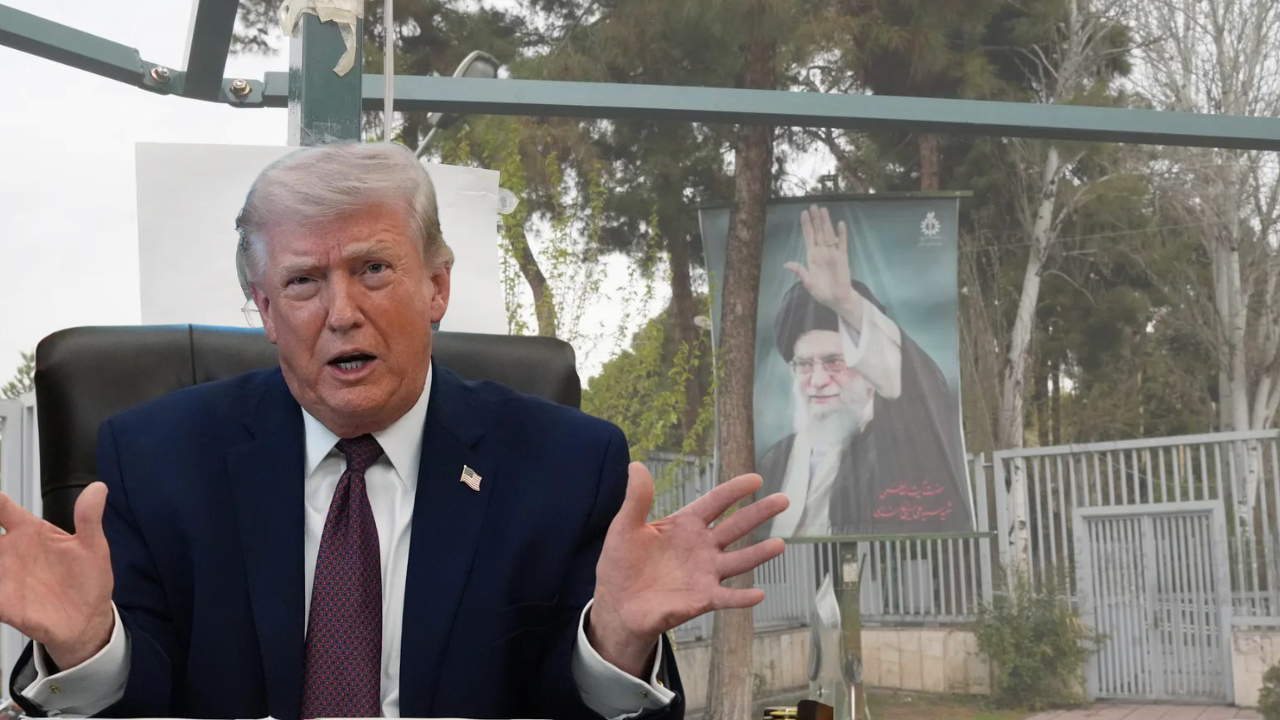
Former President Donald Trump has shared a video from the US Navy that signals a major shift in Middle East policy. The video announces a blockade of the Strait of Hormuz and warns all ships to stop traveling to Iran. This move comes at a time of extreme tension between the United States, Israel, and Iran. By calling for an end to transit to Iranian ports, the announcement threatens to cut off one of the world's most important trade routes.
Main Impact
The primary impact of this blockade is the potential for a global energy crisis. The Strait of Hormuz is a narrow waterway that connects the Persian Gulf with the Gulf of Oman and the Arabian Sea. It is the most important oil transit point in the world. If the US Navy successfully stops ships from entering or leaving Iranian waters, it could lead to a massive spike in oil prices. This would affect everything from the cost of gasoline to the price of shipping goods across the globe.
Key Details
What Happened
The situation escalated when Donald Trump shared a video through his social media channels. The footage, credited to the US Navy, features a direct warning to international shipping companies. The message tells these companies to "discontinue transit to Iran" immediately. This is seen as a formal attempt to prevent Iran from exporting its oil and receiving imported goods. The video serves as a public declaration that the US military is prepared to enforce these rules on the high seas.
Important Numbers and Facts
The Strait of Hormuz is roughly 21 miles wide at its narrowest point. Despite its small size, about 20% to 30% of the world's total oil consumption passes through this area every day. This includes oil from major producers like Saudi Arabia, Iraq, and the United Arab Emirates, not just Iran. A blockade in this specific area is often called a "choke point" because it is so easy to block and so difficult for ships to go around. Any military action here has an immediate effect on the global economy.
Background and Context
This development is part of a long-standing conflict between the United States and Iran. For years, the US has used economic sanctions to try to stop Iran's nuclear program and its support for various armed groups in the Middle East. Recently, the situation has become more dangerous due to direct military exchanges between Israel and Iran. Israel is a close ally of the United States, and the US has often promised to defend Israel if a full-scale war breaks out. By blocking the Strait of Hormuz, the US is using its naval power to put maximum pressure on the Iranian government.
Public or Industry Reaction
The reaction from the international community has been a mix of concern and alarm. Oil markets reacted almost instantly, with traders worried that supply chains will be broken. Shipping companies are now faced with a difficult choice: follow the US warning and lose money, or ignore it and risk a confrontation with the US Navy. Some political leaders have called for calm, fearing that a blockade is an act of war that could lead to a much larger conflict involving many countries in the region.
What This Means Going Forward
In the coming days, the world will watch to see how Iran responds. Iran has previously threatened to close the Strait of Hormuz itself if it was ever prevented from selling its own oil. If Iran attempts to use its own navy or missiles to stop the US blockade, a direct battle could begin. This would likely draw in other countries and could lead to a long-term closure of the strait. For the average person, this means that the cost of living could rise quickly as energy prices go up. Governments around the world are likely preparing their own strategic oil reserves to handle a possible shortage.
Final Take
The decision to announce a blockade of the Strait of Hormuz is one of the most serious military steps taken in recent years. It moves the conflict beyond simple words and into a phase of physical confrontation. While the goal is to weaken Iran, the side effects will be felt by every country that relies on Middle Eastern oil. The situation remains highly unstable, and the risk of a larger war is now higher than it has been in decades.
Frequently Asked Questions
What is the Strait of Hormuz?
It is a narrow waterway between the Persian Gulf and the Gulf of Oman. It is the only way for ships to move oil from several major Middle Eastern countries to the rest of the world.
Why is a blockade so serious?
A blockade is a military act used to stop a country from trading. Because so much of the world's oil travels through this specific area, a blockade can cause global energy prices to rise and may lead to a direct war.
How will this affect gas prices?
If the blockade continues and oil shipments are stopped, the global supply of oil will drop. When supply goes down and demand stays the same, prices usually go up, meaning people will pay more at the gas pump.

