
Summary
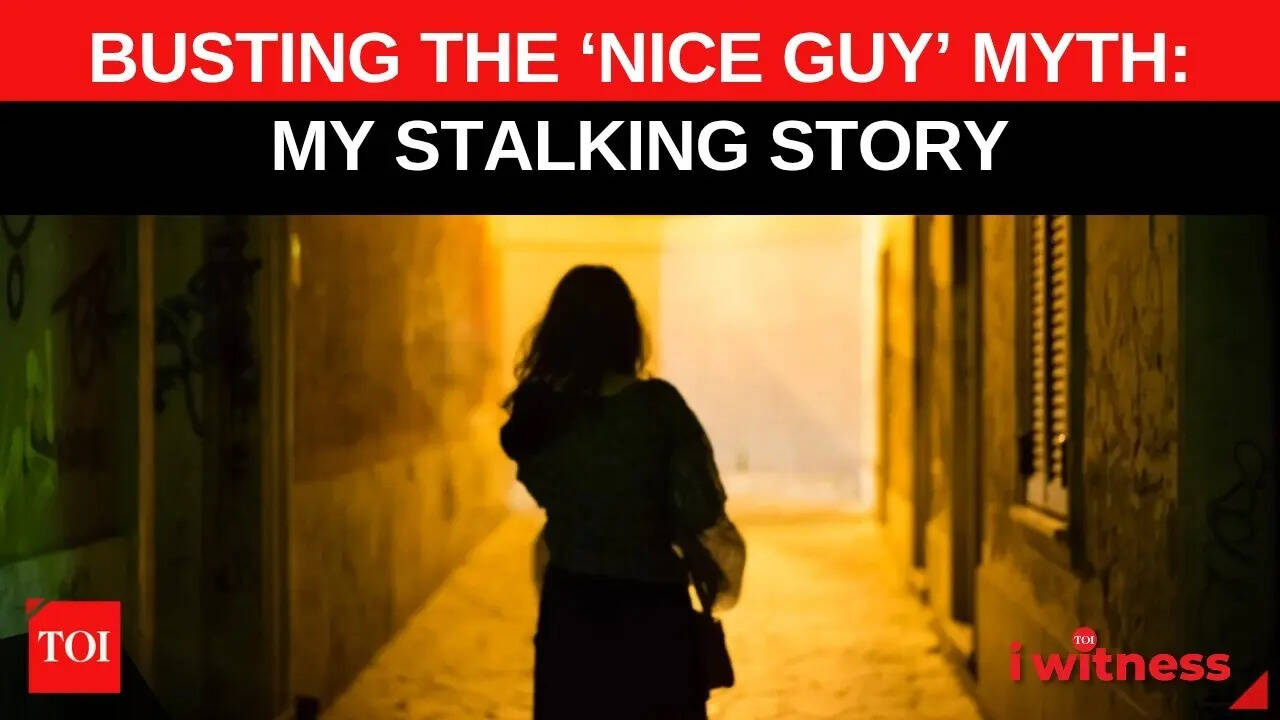
Stalking remains a major safety issue for women in India, often hidden behind the mask of "normal" social behavior. Many offenders do not look like typical criminals; instead, they are often described as "nice guys" by their friends and neighbors. This gap between a stalker's public image and their private harassment makes it very difficult for victims to get help or be believed. Understanding the reality of this crime is the first step toward better protection and legal action.
Main Impact
The biggest impact of stalking is the deep psychological fear it creates in victims. Because many stalkers appear friendly or harmless to the outside world, victims often face "gaslighting." This is when people make the victim doubt their own feelings or tell them they are overreacting. This social pressure often prevents women from reporting the crime until it turns into physical violence. The "nice guy" image acts as a shield, allowing the harasser to continue their behavior without facing consequences from society or the law.
Key Details
What Happened
In many cases across India, stalking starts with small actions that seem harmless at first. It might begin with unwanted messages on social media or someone "accidentally" showing up at the same coffee shop or workplace. Over time, these actions become more frequent and aggressive. The harasser may track the victim’s movements, contact their friends, or show up at their home. When the victim tries to complain, the stalker often uses their good reputation to claim they were just "trying to be a friend" or were "in love."
Important Numbers and Facts
Stalking was officially made a specific crime in India in 2013. Under Section 354D of the Indian Penal Code (now part of the new Bharatiya Nyaya Sanhita), stalking is defined as following a woman or trying to contact her repeatedly despite her showing a clear lack of interest. It also includes monitoring a woman's use of the internet or electronic communication. Statistics show that thousands of stalking cases are reported every year, but many more go unrecorded. A large percentage of these cases involve people known to the victim, such as former friends, colleagues, or neighbors.
Background and Context
For a long time, Indian pop culture and movies have played a role in how people view stalking. Many films have shown a "hero" following a woman until she finally agrees to date him. This has created a dangerous idea that persistence is a sign of love rather than a violation of privacy. Because of this, many people in society do not see stalking as a serious crime. They might tell a victim to "just ignore it" or suggest that the stalker is just "deeply in love." This cultural background makes it harder for the police and families to take the threat seriously from the start.
Public or Industry Reaction
Women's rights groups and legal experts have been vocal about the need for a change in how stalking is handled. They argue that the police often treat stalking as a minor issue compared to physical assault. Activists are calling for better training for police officers so they can recognize the signs of dangerous obsession early on. There is also a growing movement on social media where survivors share their stories to show that stalkers are often people who seem perfectly normal to everyone else. This has helped raise awareness that a "nice" personality does not mean someone is incapable of harassment.
What This Means Going Forward
The path forward requires both legal and social changes. Law enforcement needs to take digital stalking more seriously, as technology makes it easier for harassers to track victims without ever being seen. Schools and colleges also need to teach young people about consent and boundaries. If society stops making excuses for "persistent" behavior, victims will feel safer coming forward. The goal is to move toward a system where a victim's word is taken seriously, regardless of how "nice" the accused person seems to be to the rest of the world.
Final Take
Stalking is not a sign of affection; it is an attempt to control and frighten another person. The "nice guy" excuse is a dangerous myth that protects harassers and leaves victims at risk. To make India safer, we must stop looking at the stalker's public reputation and start looking at the harm they cause in private. Recognizing stalking as a serious warning sign of future violence is the only way to prevent tragedies before they happen.
Frequently Asked Questions
Is stalking a bailable offense in India?
For the first offense, stalking is usually bailable, meaning the person can be released from custody while waiting for trial. However, if the person is caught stalking a second time, it becomes a non-bailable offense.
Does stalking only include physical following?
No. Indian law also covers "cyberstalking." This includes monitoring a person's internet use, emails, or social media accounts without their consent or after they have asked to be left alone.
What should I do if I am being stalked?
It is important to keep a record of all messages, calls, and sightings. Tell trusted friends or family members about the situation. You can report the behavior to the local police or use women's helpline numbers available in your city.



