
Summary
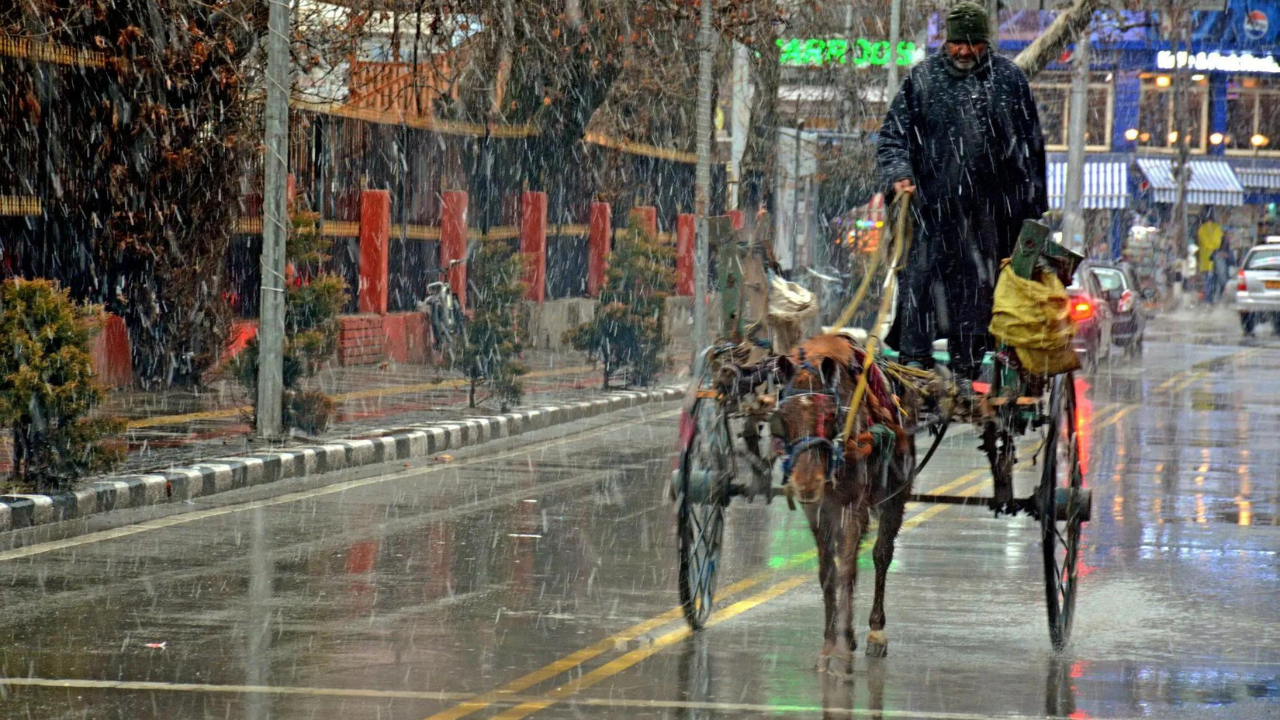
Ghulam Rasool Kumar, a 70-year-old man, is keeping a piece of history alive on the streets of Srinagar. He is the last remaining tonga driver in the city, operating a traditional horse-drawn carriage that was once the main way people traveled. After taking a long break from his work, he has returned to the roads, offering a sense of nostalgia to both local residents and visitors. His presence serves as a living link to the past in a city that is now filled with modern cars and loud traffic.
Main Impact
The return of the tonga to the streets of Srinagar is more than just a transport service; it is a cultural statement. For many older residents, the sound of horse hooves on the road brings back memories of a quieter and slower time. In an era where everyone is in a hurry, the tonga represents a different pace of life. It also highlights the struggle to preserve traditional ways of living as modern technology takes over.
This development has a significant emotional impact on the community. It shows that even as the world changes, some people are determined to hold onto their roots. For the tourism industry, Kumar and his horse-drawn cart provide a unique experience that cannot be found in a taxi or a bus. It gives visitors a chance to see the city through an old-fashioned lens, making their trip more memorable and personal.
Key Details
What Happened
Ghulam Rasool Kumar recently decided to bring his tonga back to the public roads of Srinagar. He had stopped working for a while, but his passion for the trade brought him back. He can now be seen navigating through the busy streets, sitting proudly on his wooden cart. Despite the challenges of modern traffic and the speed of other vehicles, he continues to offer rides to anyone who wants to experience a bit of history.
Important Numbers and Facts
Kumar is 70 years old and has spent most of his life working with horses. He is currently recognized as the only person still operating a tonga for public transport in the city. In the past, hundreds of these carriages filled the streets of Kashmir, but they were slowly replaced by auto-rickshaws, cars, and buses. Kumar’s journey has not been easy; he previously had to stop his work due to the effects of a terrorist attack, which caused a major disruption in his life and the local area. Despite these hardships, he has chosen to return to his profession.
Background and Context
For decades, the tonga was the primary mode of transport in Jammu and Kashmir. These horse-drawn carts were used to carry people to work, children to school, and goods to the market. They were an essential part of the local economy and culture. However, as roads were paved and engines became common, the tonga began to disappear. They were seen as too slow for modern life, and many drivers eventually sold their horses and bought motorized vehicles.
Today, the sight of a horse-drawn carriage in a major city is very rare. Most people view them as relics of the past. However, there is a growing interest in "slow travel" and eco-friendly transport. The tonga does not use fuel and does not produce smoke, making it a very clean way to get around. Kumar’s decision to keep driving is a reminder that old methods still have value in the modern world.
Public or Industry Reaction
The reaction from the public has been very positive. Many locals stop to wave at Kumar or take a moment to talk to him about the old days. Younger people, who grew up only seeing cars, find the tonga fascinating and often take photos or videos to share on social media. This has turned Kumar into a local celebrity of sorts.
Tourists are particularly drawn to the tonga. They see it as an authentic way to explore the beauty of Srinagar. Travel guides and local shopkeepers often point visitors toward Kumar, as his cart offers a perspective of the city that a closed car cannot provide. While the transport industry has moved on, there is a clear respect for Kumar’s dedication to his craft.
What This Means Going Forward
As Kumar is 70 years old, there are concerns about what will happen to this tradition when he is no longer able to work. Currently, there are no younger people training to become tonga drivers. The skills required to care for the horse and maintain the wooden cart are slowly being lost. Without support or a new generation of drivers, the tonga may disappear from Srinagar forever once Kumar retires.
There is a possibility that the local government or heritage groups could step in to help. By recognizing the tonga as a piece of living history, they could provide support to keep the tradition alive for future generations. For now, Kumar’s daily trips are a victory for heritage, showing that one person’s effort can make a big difference in how a city remembers its past.
Final Take
Ghulam Rasool Kumar is more than just a driver; he is a guardian of Srinagar’s history. His return to the streets is a brave act that brings joy to many and keeps a dying tradition from fading away. While the world around him moves faster every day, Kumar and his horse remind us of the importance of slowing down and remembering where we came from.
Frequently Asked Questions
Who is the last tonga driver in Srinagar?
The last tonga driver in the city is 70-year-old Ghulam Rasool Kumar, who has returned to the streets to keep the horse-drawn carriage tradition alive.
Why did tongas stop being popular in Kashmir?
Tongas became less popular because modern vehicles like cars and buses are much faster and can carry more people, leading most drivers to switch to motorized transport.
Is the tonga ride safe for tourists?
Yes, the tonga ride is a popular and safe activity for tourists who want to experience a traditional and slow-paced tour of Srinagar’s historic areas.



