
Summary
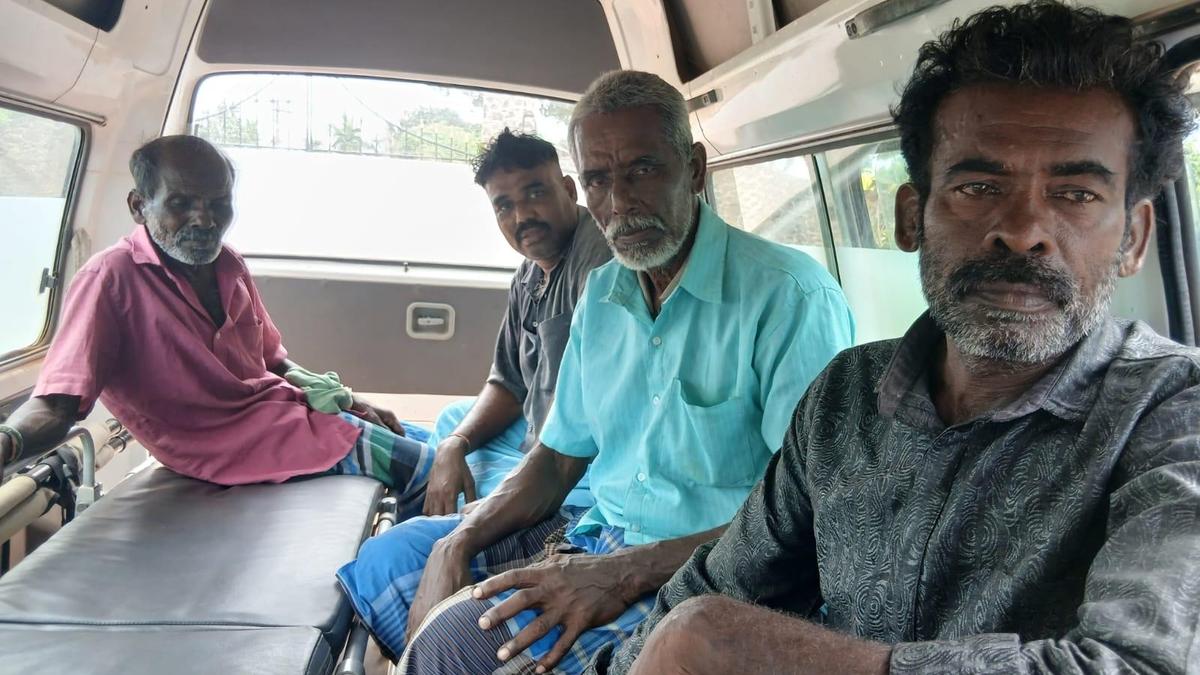
The Sri Lankan Navy has arrested four fishermen from Rameswaram, Tamil Nadu, for allegedly crossing the international maritime border. The fishermen were taken into custody while they were out at sea in the Palk Strait area. Along with the arrests, the Sri Lankan authorities also seized their fishing boat. This incident is part of a long-running dispute over fishing rights in the waters between India and Sri Lanka.
Main Impact
This latest arrest has caused immediate distress among the fishing community in Rameswaram. When fishermen are detained, it does not just affect the individuals; it stops the income for their entire families. The seizure of the boat is also a major financial blow, as these vessels are very expensive and often represent a family's life savings. This event adds more pressure to the diplomatic relationship between India and Sri Lanka, as both countries try to manage their maritime borders and protect their own resources.
Key Details
What Happened
The four fishermen left the Rameswaram coast earlier this week to catch fish in the Palk Bay area. According to reports, the Sri Lankan Navy was conducting a routine patrol when they spotted the Indian boat. The navy officials claimed that the fishermen had entered Sri Lankan territorial waters. The men were stopped, their equipment was checked, and they were eventually taken to a naval base for further questioning. They are expected to be handed over to local fisheries officials before being produced in court.
Important Numbers and Facts
The group consisted of four crew members operating a single mechanized boat. This is one of many such incidents that have occurred this year. In recent months, dozens of Indian fishermen have been detained by Sri Lankan forces. The area where most arrests happen is near Katchatheevu, an island that was ceded to Sri Lanka by India in the 1970s. Since then, Indian fishermen have struggled to find enough fish in their own limited waters, leading them to venture further out into risky areas.
Background and Context
The maritime boundary between India and Sri Lanka is very narrow in the Palk Strait. For decades, fishermen from both sides have shared these waters. However, the situation changed as fishing technology improved. Indian fishermen often use large mechanized trawlers that can catch a lot of fish at once. Sri Lankan fishermen, many of whom are recovering from years of civil war, argue that these large boats destroy the seabed and leave no fish for the local community.
Sri Lanka has passed strict laws to stop bottom trawling, which is a method of fishing that drags nets along the ocean floor. Because of these laws, the Sri Lankan Navy is very active in patrolling the border. On the other hand, Indian fishermen say they often cross the border by mistake because there are no clear markers in the middle of the ocean. They also face declining fish stocks near the Indian coast, which forces them to travel further to make a living.
Public or Industry Reaction
The news of the arrest reached Rameswaram quickly, leading to anger and sadness among local fishing unions. Leaders of these unions have called on the state and central governments to intervene immediately. They are asking for the safe return of the four men and the release of their boat. Protests are common after such arrests, with fishermen often refusing to go out to sea until they receive assurances about their safety.
Political leaders in Tamil Nadu have also expressed their concerns. They often write to the Ministry of External Affairs in New Delhi, asking the federal government to take a firm stand with the Sri Lankan government. The main demand is usually a long-term agreement that allows fishermen to work without the fear of being arrested or having their boats confiscated.
What This Means Going Forward
The four fishermen will likely face a legal process in a Sri Lankan court. In many cases, fishermen are released after a few weeks or months, but their boats are often kept by the Sri Lankan government for a much longer time. This "boat retention" policy is a major point of worry because it prevents the fishermen from working even after they return home.
In the coming days, Indian diplomats in Sri Lanka will likely visit the detained men to provide legal help and ensure they are being treated well. There is also a push for more high-level talks between the two nations. Experts suggest that moving toward deep-sea fishing or providing better technology to Indian fishermen could help them stay within their own waters and avoid these dangerous encounters.
Final Take
The arrest of these four men highlights a deep and painful problem that has no easy solution. While laws and borders must be respected, the survival of traditional fishing communities is also at stake. Until both countries can agree on a fair way to share the ocean's resources, these arrests will likely continue to disrupt lives and cause tension in the region. The focus must remain on finding a peaceful and permanent way for fishermen to work safely.
Frequently Asked Questions
Why does the Sri Lankan Navy arrest Indian fishermen?
The arrests usually happen because the fishermen are accused of crossing the maritime border and fishing in Sri Lankan waters, which is illegal under Sri Lankan law.
What happens to the boats that are seized?
Seized boats are often kept by the Sri Lankan authorities. While the fishermen are usually released after legal talks, the boats can be held for a long time or even destroyed in some cases.
Where is the Palk Strait?
The Palk Strait is a narrow body of water that separates the state of Tamil Nadu in India from the northern part of Sri Lanka. It is a major fishing ground for both countries.



