
Summary
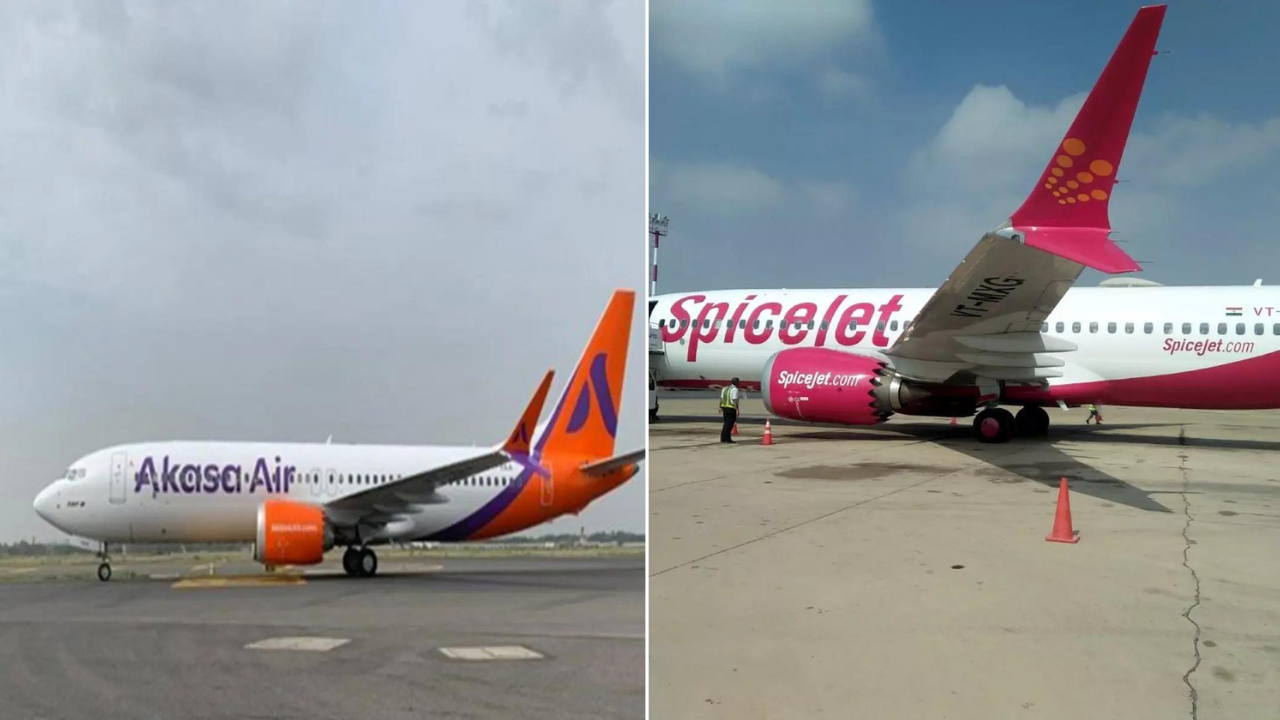
A SpiceJet aircraft moving on the ground at Delhi’s Indira Gandhi International (IGI) Airport collided with a stationary Akasa Air plane on Thursday. The incident occurred while the SpiceJet flight was taxiing, which is the process of moving an aircraft on its wheels before takeoff. Fortunately, no passengers or crew members were injured in the mishap, though both planes sustained visible damage to their wings. This event has prompted an immediate investigation by aviation safety authorities to determine how such a contact occurred at one of the busiest airports in the world.
Main Impact
The primary impact of this collision is the temporary removal of two commercial aircraft from active service. Both SpiceJet and Akasa Air must now conduct thorough safety inspections and repairs before these planes can fly again. For the airport, the incident caused minor disruptions to ground traffic as safety teams cleared the area and documented the damage. While the physical harm was limited to the machines, the event highlights the constant risks involved in ground operations at high-traffic airports. It also puts additional pressure on SpiceJet, an airline that has faced various operational challenges recently, to prove its commitment to strict safety protocols.
Key Details
What Happened
The accident took place during the busy morning hours at Delhi Airport. According to reports, the SpiceJet plane was moving toward the runway to prepare for its scheduled departure. During this movement, its wingtip came into contact with the wing of an Akasa Air plane that was parked and waiting for its own instructions. The sound of the impact was heard by ground staff, who immediately signaled the pilots to stop. The flight crews followed emergency procedures, shutting down engines and informing the control tower about the contact.
Important Numbers and Facts
The incident involved two of India’s well-known low-cost carriers. The date of the event is April 16, 2026. While the exact number of passengers on board the SpiceJet flight has not been released, a standard narrow-body aircraft of this type usually carries between 150 and 180 people. The Akasa Air plane was stationary, meaning it was not moving and had no engine power at the time of the hit. Both aircraft are expected to be grounded for several days, leading to the rescheduling of multiple flights and affecting hundreds of travelers.
Background and Context
Indira Gandhi International Airport is the largest aviation hub in India. It handles hundreds of domestic and international flights every single day. Because the airport is so busy, the paths that planes use to move between the gates and the runways, known as taxiways, are often crowded. Pilots must follow very specific lines and instructions from ground controllers to ensure they keep a safe distance from other planes. Even a small error in steering or a misunderstanding of a signal can lead to a collision. These "wing-clip" incidents are rare but serious, as even a small scratch on a wing can affect the aerodynamics and safety of a flight.
Public or Industry Reaction
The Directorate General of Civil Aviation (DGCA), which is the body that regulates flying in India, has ordered a full report on the matter. Safety experts from the DGCA arrived at the scene shortly after the collision to take photos and interview the ground crew. Akasa Air released a short statement confirming that their aircraft was stationary and that they are working with the authorities to assess the damage. SpiceJet also acknowledged the incident, stating that they are conducting an internal review. Passengers at the airport expressed concern on social media, with many calling for better ground management to prevent such accidents from happening again.
What This Means Going Forward
In the coming weeks, the investigation will focus on whether the pilot followed the correct yellow lines on the taxiway or if there was a failure in communication from the air traffic control tower. If the pilots are found to be at fault, they may face temporary suspension or extra training. For the airlines, this means unexpected repair costs and lost revenue from grounded planes. The airport authority may also look into whether the parking bays and taxiways need better lighting or clearer markings. This incident serves as a wake-up call for all ground staff to stay alert, especially during peak hours when the ground area is most crowded.
Final Take
While it is a relief that no one was hurt, this collision at Delhi Airport shows that safety is a 24-hour job that starts long before a plane leaves the ground. Moving a massive machine in a tight space requires perfect coordination between pilots and ground controllers. As air travel continues to grow in India, the focus must remain on improving ground safety technology and training. Ensuring that planes stay a safe distance apart on the ground is just as vital as keeping them safe in the sky.
Frequently Asked Questions
Was anyone injured in the Delhi airport collision?
No, there were no injuries reported among the passengers or the crew members on either aircraft. Everyone was safely evacuated or remained secure during the incident.
Which airlines were involved in the accident?
The two airlines involved were SpiceJet and Akasa Air. The SpiceJet plane was moving while the Akasa Air plane was parked at the time of the contact.
Will this cause flight delays?
Yes, the two specific planes involved have been taken out of service for repairs. This will likely lead to some flight cancellations or delays for passengers who were scheduled to fly on those aircraft.



