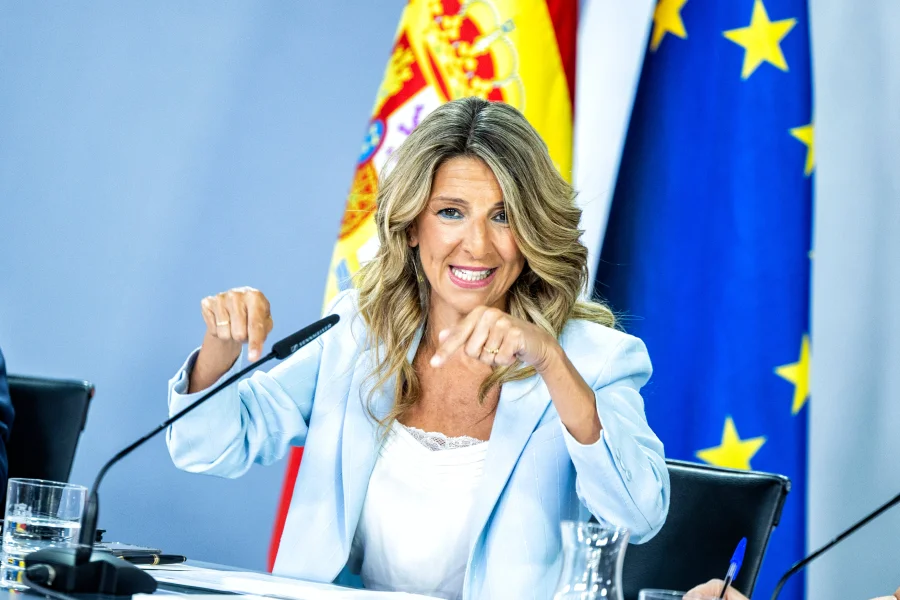
Spain’s government is set to nominate Vice President and Labour Minister Yolanda Díaz as its candidate for Director General of the International Labour Organization (ILO), the United Nations agency dedicated to labour relations, according to sources familiar with the decision.
Why Spain is Challenging the ILO Leadership Now
The move directly challenges Gilbert F. Houngbo of Togo, who has led the ILO since 2022. Spanish trade unions have been increasingly critical of what they describe as a “Trumpist drift” within the agency, accusing it of abandoning its core mission of protecting workers’ rights. Díaz herself has echoed these concerns, warning that the ILO’s very mandate is under threat.
Díaz’s Warning: “The ILO is in Crisis”
In her most recent intervention at the ILO headquarters in Geneva on June 9, Díaz delivered a stark message. “The ILO is in crisis and it is relevant because what is at stake is its mandate. If work is not a commodity, neither can the organization that represents work be one,” she said. The statement reflects a growing frustration among labour advocates that the agency is losing its way.
What This Means for Workers and Global Labour Standards
For millions of workers worldwide, the ILO sets international labour standards, from minimum wage to workplace safety. A leadership change could signal a shift in priorities — back toward stronger protections for workers, especially in developing nations. Spanish unions see Díaz as a candidate who would restore the ILO’s original purpose.
Who is Yolanda Díaz?
Díaz is Spain’s Second Vice President and Minister of Labour, known for her progressive labour reforms, including raising the minimum wage and strengthening collective bargaining. She has built a reputation as a pragmatic left-wing figure, balancing union demands with business concerns. Her nomination positions her as a leading voice for European social democracy on the global stage.
The Incumbent: Gilbert F. Houngbo’s Record
Houngbo, a former Prime Minister of Togo, took office in 2022. Critics, including Spanish unions, argue his tenure has seen a shift toward deregulation and a weakening of enforcement mechanisms — a “Trumpist drift” that prioritizes corporate interests over worker protections. Supporters, however, point to his efforts to modernize the agency and expand its reach in the Global South.
Confirmed Facts vs What Remains Unclear
Confirmed: Spain’s government has decided to propose Díaz as a candidate. The decision was reported by EL PAÍS based on sources familiar with the matter. Unclear: The exact timeline for the election, whether other candidates will emerge, and the full extent of union criticism of Houngbo’s leadership. All speculation about the outcome remains unverified.
Risks and Balanced View
While Díaz’s nomination energizes labour advocates, it carries risks. A contested election could deepen divisions within the ILO. Houngbo retains support from many developing nations, who may view Díaz as a European candidate out of touch with their needs. Critics may also question whether a Spanish minister can effectively lead a global agency with 187 member states.
Wider Trend: The Battle for the Soul of Global Labour Governance
This nomination is part of a broader struggle over the future of international labour governance. As automation, gig work, and climate change reshape the world of work, the ILO faces pressure to adapt. Some argue it must become more business-friendly; others insist it must double down on protecting workers. Díaz’s candidacy represents the latter camp.
What Happens Next
The ILO’s Governing Body will set a date for the election. Díaz will need to campaign among member states, building a coalition of support. The outcome will depend on whether her message of restoring the ILO’s mandate resonates beyond Europe. For now, the race is officially on.
Our Take
This is more than a diplomatic appointment. It is a test of whether the ILO can reclaim its role as a champion of workers in an era of rising inequality and corporate power. Díaz’s nomination forces a necessary debate: should the ILO be a neutral technocratic body, or a vocal defender of labour rights? The answer will shape the lives of billions.
Frequently Asked Questions
What is the ILO?
The International Labour Organization is a UN agency that sets international labour standards, promotes workers’ rights, and encourages decent work. It has 187 member states.
Why is Spain nominating Yolanda Díaz?
Spain’s government and trade unions believe the ILO has drifted from its mission under current leadership, and see Díaz as a candidate who can restore its focus on worker protections.
Who is Gilbert F. Houngbo?
He is the current ILO Director General from Togo, in office since 2022. Critics accuse him of a “Trumpist drift” toward deregulation, though he retains support in developing nations.
When will the election happen?
The exact date has not been announced. The ILO’s Governing Body will set the timeline. The election process typically involves campaigning among member states.