
Summary
The counting day for election results in South Gujarat brought a mix of expected victories and surprising turns. While some candidates secured their positions with massive leads, others faced a much tougher fight than predicted. This region, known for its industrial strength and diverse population, showed that voters are becoming more selective about their representatives. The day was marked by high tension at counting centers as officials tallied votes from both urban cities and rural tribal areas.
Main Impact
The primary impact of these results is the clear message sent to political parties about the changing mood of the public. While the ruling party maintained its overall control in the region, the narrow margins in several key seats suggest a growing demand for better local governance. This shift is particularly visible in the tribal belts of South Gujarat, where local issues like land rights and basic services played a major role in how people voted. The results will likely force leaders to focus more on grassroots problems rather than relying only on large-scale national campaigns.
Key Details
What Happened
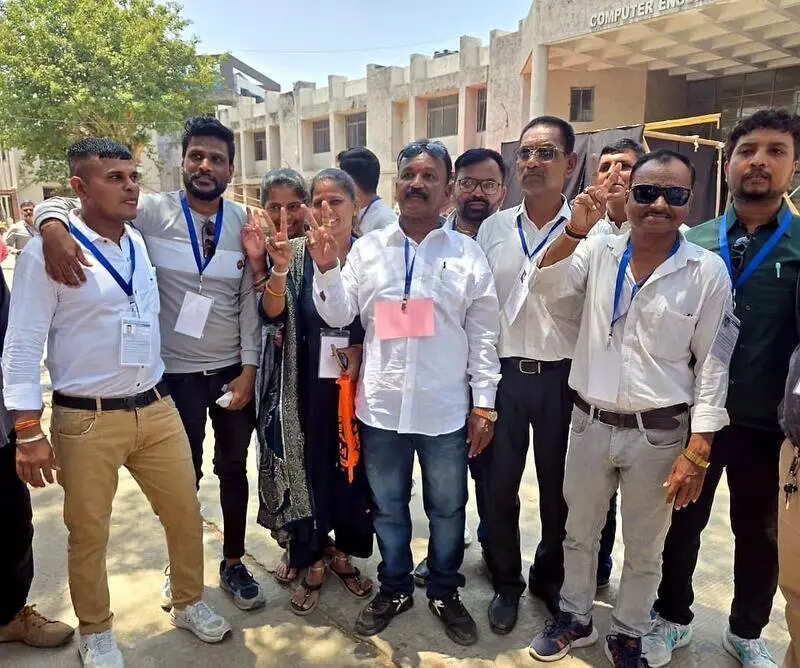
On the day of the count, the atmosphere across South Gujarat was electric. In Surat, the situation was unique because the result was already decided weeks earlier when the BJP candidate won unopposed. However, in other districts like Bharuch, Navsari, and Valsad, the process was full of suspense. In Bharuch, the contest between the veteran BJP leader and the young AAP-Congress alliance candidate drew national attention. In Navsari, the focus was on whether the victory margin would set a new national record. As the rounds of counting progressed, it became clear that while the urban centers remained loyal to traditional choices, the rural areas were seeing a much closer battle.
Important Numbers and Facts
In Navsari, C.R. Paatil achieved a massive victory, winning by a margin of over 7.73 lakh votes, which is one of the highest in the country. In contrast, the Bharuch seat saw a much more competitive race. Mansukh Vasava of the BJP managed to hold his ground against Chaitar Vasava, but the margin was smaller than in previous years. The tribal-dominated seats of Valsad and Bardoli also saw significant voter turnout, with the BJP winning both but facing a spirited challenge from the opposition. Overall, the voter turnout in South Gujarat remained high, reflecting the deep engagement of the local population in the democratic process.
Background and Context
South Gujarat is a vital part of the state's economy, housing the diamond and textile hubs of Surat and the industrial zones of Vapi and Ankleshwar. Historically, this region has been a stronghold for the BJP, but it also has a large tribal population that has its own unique political needs. In recent years, new political players have tried to enter this space by focusing on tribal identity and local development. Understanding the balance between the wealthy urban voters and the rural farming communities is key to winning in this part of India. This election was seen as a test of whether the opposition could break into the ruling party's fortress by forming new alliances.
Public or Industry Reaction
The reaction from the public was a mix of celebration and reflection. In the cities, BJP supporters took to the streets with music and firecrackers to celebrate their continued dominance. Business leaders in the textile and diamond industries expressed relief at the stability the results promised, as they prefer consistent policies for their trade. On the other hand, tribal activists and opposition supporters pointed to the close numbers in rural areas as a sign of progress. They believe that the increased vote share for the opposition shows that people are starting to ask more questions about environmental protection and land use in industrial zones.
What This Means Going Forward
Looking ahead, the results in South Gujarat suggest that political parties cannot take any seat for granted. The close contests in the tribal areas mean that the government will need to pay more attention to the specific needs of these communities to avoid losing ground in the next election. For the opposition, the results provide a foundation to build upon, especially if they can maintain their alliances. We can expect to see more focus on local infrastructure, healthcare in rural areas, and the protection of tribal lands. The massive win in Navsari also cements the influence of certain regional leaders within the national political structure.
Final Take
The counting day in South Gujarat proved that the region remains a political powerhouse with a complex voting pattern. While the status quo mostly remains, the underlying shifts in voter behavior in rural areas cannot be ignored. The mix of record-breaking wins and narrow escapes serves as a reminder that performance at the local level is just as important as national popularity. As the dust settles, the focus will now move from winning votes to delivering on the many promises made during the long campaign season.
Frequently Asked Questions
Who won the Navsari seat in South Gujarat?
C.R. Paatil won the Navsari seat with a record-breaking margin of over 7.73 lakh votes, making it one of the most significant victories in the region.
Why was the Bharuch election so closely watched?
The Bharuch seat was highly contested because it featured a direct battle between a long-time BJP incumbent and a popular tribal leader from the AAP-Congress alliance, representing a shift in local political dynamics.
What happened with the Surat seat during this election?
The Surat seat was decided before the actual counting day because the BJP candidate, Mukesh Dalal, was declared the winner unopposed after other candidates withdrew or had their nominations rejected.



