
Summary
Sonam Wangchuk, a well-known activist and engineer from Ladakh, has been released from Jodhpur Central Jail. This development occurred after the Central government decided to withdraw the serious charges filed against him under the National Security Act (NSA). His release ends a long period of detention that followed protests in the Ladakh region last year. This move is seen as a major step toward reducing tension and opening doors for future talks between the government and local leaders.
Main Impact
The decision to free Wangchuk is a significant shift in how the government is handling the situation in Ladakh. By removing the strict NSA charges, the authorities are moving away from a policy of detention and toward a policy of engagement. This change helps lower the political heat in a sensitive border region. It also provides a sense of relief to many people who felt that the voices of the Himalayan community were being treated too harshly by the legal system.
Key Details
What Happened
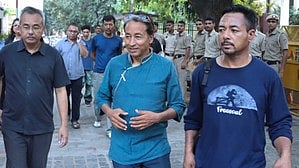
On Saturday, March 14, 2026, Sonam Wangchuk officially walked out of prison in Jodhpur, Rajasthan. His release followed a formal order from the government to cancel his preventive detention. His wife, Gitanjali, arrived at the prison early in the morning to complete the necessary paperwork and meet him. After the administrative steps were finished, the couple left the jail premises in a private vehicle around 1:00 PM. Wangchuk appeared calm and steady as he greeted those waiting outside.
Important Numbers and Facts
Wangchuk spent a total of 170 days in custody before his release. He was originally detained on September 26, 2025, just two days after protests turned violent in the town of Leh. The authorities used the National Security Act, which allows the government to keep a person in jail for up to one year without a formal trial. By the time he was freed, Wangchuk had served nearly half of that maximum period. The government has now stated it is actively looking to address the concerns of the people in the region through peaceful discussion.
Background and Context
To understand why this case gained so much attention, it is important to look at the goals of the movement in Ladakh. For several years, residents have been asking for "statehood," which would give Ladakh its own elected government and more power over its own affairs. They are also asking for protections under the "Sixth Schedule" of the Indian Constitution. This specific law is designed to protect the land, culture, and jobs of indigenous and tribal people in certain parts of India.
Sonam Wangchuk became the face of this movement. While he is famous globally for his work in education and building eco-friendly structures, he has used his platform to highlight the environmental and political needs of his home region. His detention was seen by many as an attempt to stop a peaceful movement, leading to widespread support for his release across the country.
Public or Industry Reaction
The news of Wangchuk’s release has been welcomed by civil society groups, environmentalists, and students. Throughout his time in jail, many people held small protests and used social media to call for his freedom. They argued that using the National Security Act against a peaceful activist was an extreme measure. Supporters believe that his release is a victory for democratic rights and will help bring more focus back to the environmental issues facing the Himalayas.
What This Means Going Forward
While Wangchuk is now free, the underlying issues in Ladakh have not yet been fully resolved. The government has indicated that it is now willing to talk to community leaders and stakeholders to find a way forward. This suggests that the next few months will involve meetings and negotiations regarding the status of the region. The challenge will be to find a solution that satisfies the local demand for self-governance while maintaining national security in the area. Wangchuk is expected to continue his work, but it remains to be seen how the movement will evolve after this long period of tension.
Final Take
The release of Sonam Wangchuk shows that dialogue is often more effective than detention in solving regional disagreements. By dropping the charges, the government has created an opportunity for a fresh start in its relationship with the people of Ladakh. Moving forward, the focus must remain on protecting the unique culture and environment of the region through peaceful and democratic means.
Frequently Asked Questions
Why was Sonam Wangchuk arrested?
He was detained under the National Security Act following protests in Leh in September 2025. The government claimed the detention was necessary to maintain public order during a period of unrest.
What is the National Security Act (NSA)?
The NSA is a law that allows the government to detain individuals for a certain period without a trial if they are considered a threat to national security or public order. In this case, the charges were withdrawn before the full term ended.
What are the main demands of the Ladakh movement?
The movement is asking for Ladakh to be recognized as a full state and for the implementation of the Sixth Schedule. These measures are intended to protect the local environment, land rights, and cultural identity of the people living there.

