
Summary
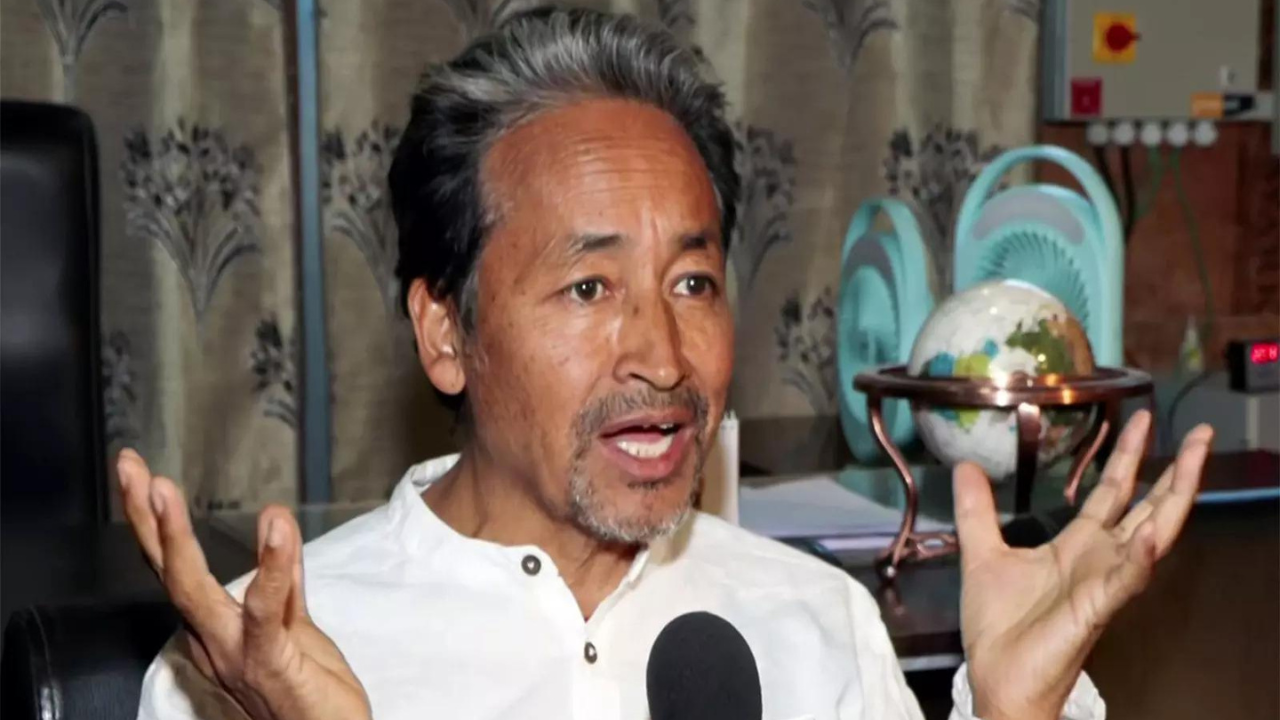
Sonam Wangchuk, a well-known environmentalist and innovator from Ladakh, has made a new appeal to the Indian government. He is calling for the immediate restart of talks regarding the future of the region. Wangchuk expressed deep concern that the long silence from the central government is creating a "trust deficit" among the local people. He believes that if the government does not act soon, the situation could be used by groups that want to cause division and unrest in this sensitive border area.
Main Impact
The primary impact of this delay in talks is a growing feeling of uncertainty across Ladakh. For over two months, there has been no official communication between the government and local leaders. This gap in dialogue makes it harder for the community to feel secure about their rights and their land. Wangchuk warned that when there is a lack of clear communication, "divisive elements" may try to take advantage of the confusion. This could harm the national interest, especially since Ladakh is located in a strategically important part of the country near international borders.
Key Details
What Happened
Sonam Wangchuk recently spoke out to remind the Prime Minister and the Home Minister that the people of Ladakh are still waiting for answers. He pointed out that it has been more than 60 days since the last formal meeting took place. During this time, the local population has grown more anxious about their political and environmental future. Wangchuk’s message is a plea for the government to show that it cares about the promises made to the region. He emphasized that timely action is necessary to maintain peace and unity.
Important Numbers and Facts
The movement in Ladakh has seen significant activity over the past few months. Earlier this year, Wangchuk completed a 21-day hunger strike, surviving only on water and salt to draw attention to the region's demands. Thousands of people joined him in various protests across Leh and Kargil. The last round of official talks between the Ministry of Home Affairs and Ladakh’s representatives happened in early 2024, but those meetings ended without a clear agreement. The local leaders are asking for four main things: statehood for Ladakh, inclusion in the Sixth Schedule of the Constitution, separate seats in the Parliament for Leh and Kargil, and job protection for local residents.
Background and Context
To understand why this is happening, we have to look back to 2019. At that time, the Indian government changed the status of Jammu and Kashmir. Ladakh was separated and became a Union Territory without its own local government or legislature. While many people in Ladakh initially welcomed this change, they soon began to worry. They realized that without special protections, their unique culture and fragile environment could be at risk. They are specifically asking for the "Sixth Schedule." This is a law in India that gives tribal areas the power to make their own rules about land, forests, and water. Since 97% of Ladakh’s population is tribal, the people feel they deserve these protections to keep their way of life safe from outside commercial interests.
Public or Industry Reaction
The reaction within Ladakh has been very unified. Two major groups, the Leh Apex Body and the Kargil Democratic Alliance, have joined forces. In the past, these two regions often had different political views, but now they are standing together with a single voice. This unity has surprised many observers and shows how serious the local population is about their demands. On the other hand, the central government has been cautious. While they have met with Ladakh’s leaders, they have not yet agreed to the demand for statehood or the Sixth Schedule. This slow response is what led Wangchuk to warn about the "mistrust" currently growing in the region.
What This Means Going Forward
The next steps will depend on how the Home Ministry responds to this latest push for dialogue. If the government resumes talks soon, it could help calm the situation and rebuild the trust that Wangchuk says is fading. However, if the silence continues, there is a risk of more protests and hunger strikes. For the rest of India, the stability of Ladakh is very important because of its location. Any unrest in a border region can become a national security concern. The government will need to find a way to balance the local desire for self-rule with the broader needs of national administration.
Final Take
The situation in Ladakh is a reminder that democracy works best when there is constant and honest communication. Sonam Wangchuk is not just asking for laws to be changed; he is asking for the people of Ladakh to be heard and respected. Reopening the doors for discussion is the most effective way to ensure that the region remains a peaceful and strong part of the country. Ignoring the issue will only make the gap between the people and the government wider.
Frequently Asked Questions
Who is Sonam Wangchuk?
Sonam Wangchuk is an engineer and environmentalist from Ladakh. He is famous for his work in education reform and for inventing the "Ice Stupa" to help farmers with water shortages. He is currently a leading voice for Ladakh's political rights.
What is the Sixth Schedule?
The Sixth Schedule is a part of the Indian Constitution that allows for the creation of autonomous councils. These councils have the power to make laws to protect the land, culture, and traditions of tribal communities.
Why are people in Ladakh protesting?
People are protesting because they want more control over their own region. They are asking for statehood, protection for their land and environment, and more job opportunities for local youth following the changes made in 2019.



