
Summary
Sonam Wangchuk, the well-known climate activist from Ladakh, has been on a hunger strike for 16 days. His health is now getting worse, and supporters are worried. The activist is demanding that the Indian government protect the fragile environment of Ladakh and give the region special status under the Sixth Schedule of the Constitution. His fast has drawn attention to the growing environmental and cultural pressures on the Himalayan region.
Main Impact
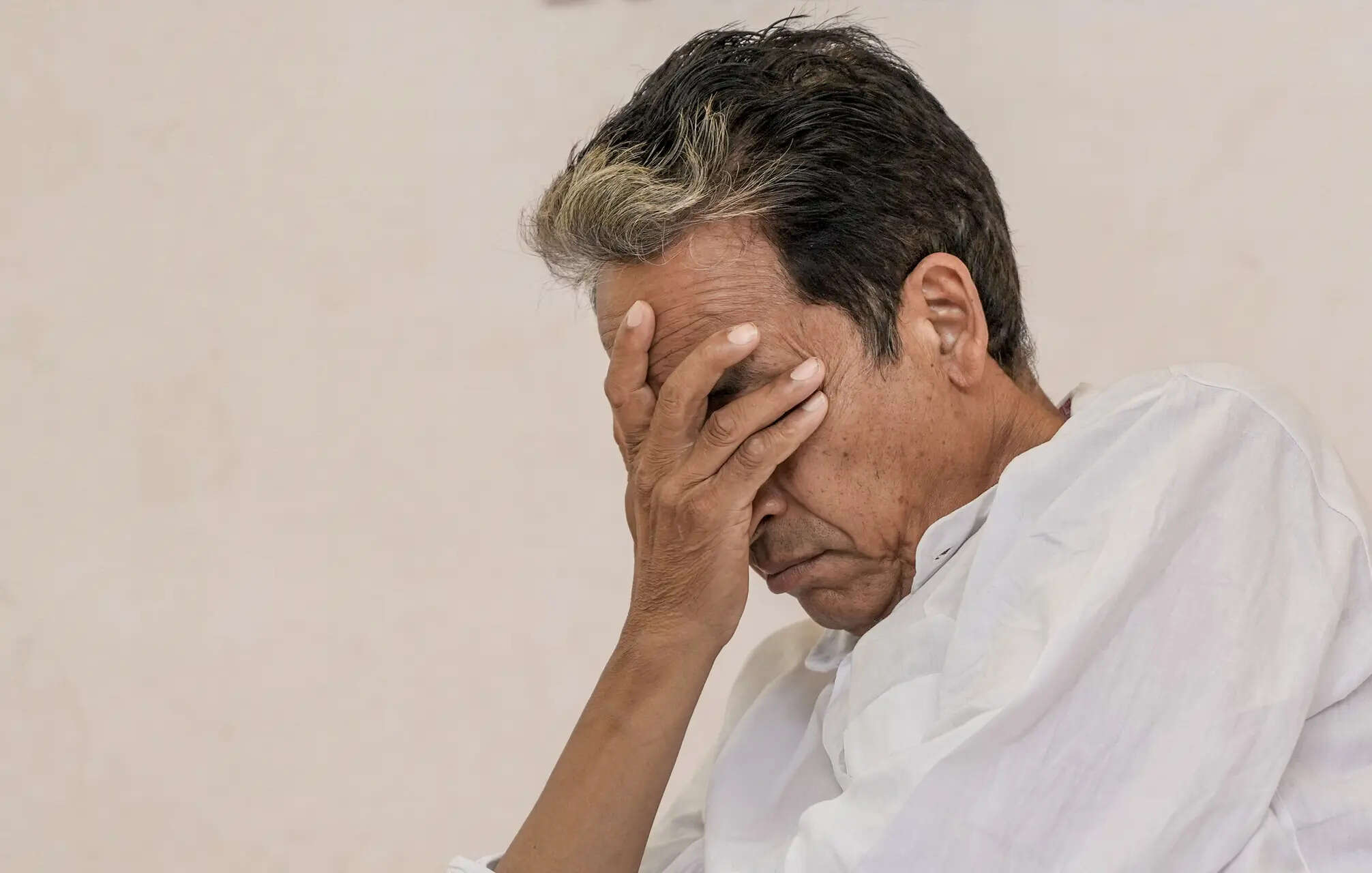
Sonam Wangchuk’s health is declining after more than two weeks without food. Doctors and close associates have reported that he is weak and needs medical attention. The activist, who is known for his work on education and climate change, started his fast on June 28, 2026, in Leh. He wants the government to take immediate steps to safeguard Ladakh’s unique ecosystem and the rights of its people. The worsening health condition has sparked a wave of concern among his followers and the public. Many are asking if the government will act before his health fails completely.
Key Details
What Happened
Sonam Wangchuk began his indefinite hunger strike on June 28, 2026, in Leh, Ladakh. He is demanding that the central government grant Ladakh special status under the Sixth Schedule of the Indian Constitution. This would give the region more control over its land, resources, and cultural matters. He also wants the government to create a separate commission to protect Ladakh’s environment from rapid development and climate change. After 16 days without food, his health has worsened. Supporters have urged him to stop the fast, but he has refused until the government responds.
Important Numbers and Facts
The hunger strike has now lasted 16 days. Wangchuk is 52 years old. He is the founder of the Students' Educational and Cultural Movement of Ladakh (SECMOL). His previous fasts and protests have led to policy changes, including the creation of the Ladakh Autonomous Hill Development Council. The Sixth Schedule currently applies to tribal areas in Assam, Meghalaya, Tripura, and Mizoram. Ladakh is a Union Territory without such protections. The region has seen a rise in tourism and infrastructure projects, which many say harm its fragile environment.
Background and Context
Ladakh is a high-altitude desert in the Himalayas. Its environment is very sensitive to change. In recent years, the region has faced problems like melting glaciers, water shortages, and loss of traditional farming land. Many local people believe that rapid development, including large-scale tourism and military projects, is damaging their home. Wangchuk has been a leading voice in calling for sustainable development. He argues that without special constitutional protection, Ladakh’s unique culture and environment will be lost. The demand for Sixth Schedule status is not new. It has been raised by various groups in Ladakh for years. The government has not yet agreed to it.
Public or Industry Reaction
Supporters of Wangchuk have expressed deep concern over his health. Social media is filled with messages urging the government to listen to his demands. Many people have shared photos and videos of him looking weak. Some have started online petitions. Local leaders in Ladakh have also called for a resolution. However, there has been no official statement from the central government so far. Some critics say that the fast is a political stunt, but most reactions show sympathy and worry. The public mood is tense, with many asking, “Will we just watch him succumb?”
What This Means Going Forward
If the government does not respond soon, Wangchuk’s health could become critical. This could lead to a larger protest movement in Ladakh and across India. The issue also puts pressure on the government to address the broader question of environmental protection in fragile regions. If Wangchuk’s demands are met, it could set a precedent for other regions seeking similar protections. On the other hand, if his health fails, it could spark a national debate on the rights of activists and the speed of government action. The coming days are crucial for both Wangchuk and the future of Ladakh.
Final Take
Sonam Wangchuk’s hunger strike is a desperate call to protect a region that is already feeling the effects of climate change and unchecked development. His worsening health is a reminder that time is running out—not just for him, but for the fragile environment he is fighting to save. The government must decide whether to act now or face the consequences of inaction.
Frequently Asked Questions
What is the Sixth Schedule of the Indian Constitution?
The Sixth Schedule is a part of the Indian Constitution that gives special powers to tribal areas in some states. It allows local councils to make laws on land, forests, and cultural matters. Sonam Wangchuk wants Ladakh to get this status to protect its environment and people.
Why is Sonam Wangchuk on a hunger strike?
He is on a hunger strike to demand that the Indian government give Ladakh special constitutional protection. He wants to stop rapid development that harms the environment and to preserve the region’s culture and resources.
How long has Sonam Wangchuk been fasting?
As of July 13, 2026, he has been on a hunger strike for 16 days. His health is now getting worse, and supporters are worried about his condition.



