
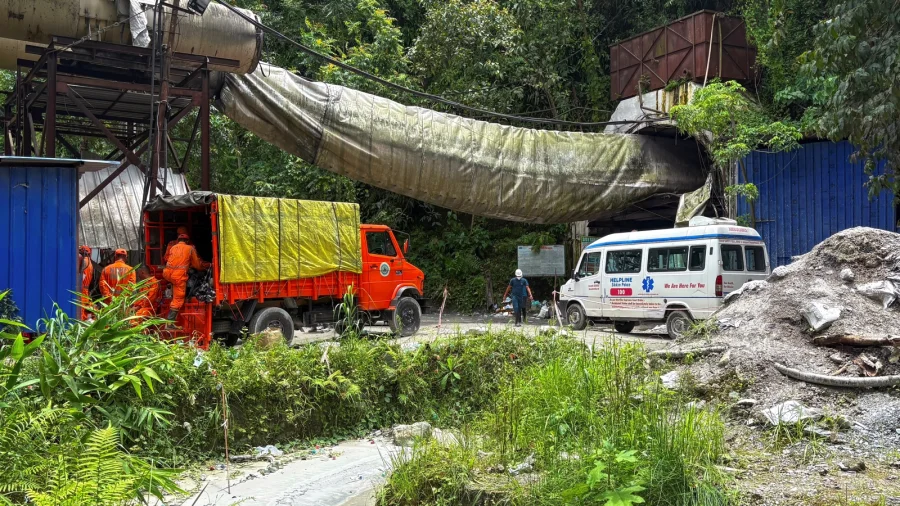
The death toll from a catastrophic blast inside a tunnel in Sikkim has risen to 22, officials confirmed on Tuesday, as rescue teams face a desperate race against time. The explosion, which occurred deep within the construction site, has left a trail of devastation, with workers trapped under tonnes of debris. The window for finding survivors is narrowing with each passing hour.
Blast Inside Tunnel: What Happened and Who Is Affected
The explosion ripped through a tunnel under construction in Sikkim, a state known for its challenging Himalayan terrain. The blast, believed to have been caused by a build-up of explosive gases or a mishandling of materials, trapped dozens of workers. Families of the missing are in anguish, waiting for any news from the rescue site.
Why the Rescue Window Is Closing Fast
Rescue operations are being severely hampered by the unstable condition of the tunnel. Debris continues to shift, and there is a constant risk of further collapses. Officials have stated that the "golden hours" for rescue are over, and the focus is now on recovery. The narrow window for survival is a grim reality that rescue teams are confronting.
Timeline of the Sikkim Tunnel Disaster
The blast occurred late Monday evening, initially trapping a large number of workers. By Tuesday morning, the death toll had climbed to 22, with rescue teams working through the night. The incident has drawn comparisons to previous tunnel accidents in the region, highlighting persistent safety concerns.
Human Impact: Families Wait in Fear
For the families of the missing workers, every minute is an eternity. Many have gathered near the site, hoping for a miracle. The emotional toll is immense, as the community grapples with the scale of the tragedy. The victims are primarily migrant workers from other states, adding a layer of complexity to the identification and notification process.
Official Response and Rescue Efforts
The state government has deployed National Disaster Response Force (NDRF) teams to the site. Officials have confirmed that the priority is to stabilize the tunnel and clear the debris. "We are doing everything possible, but the situation is very challenging," a senior official said. The army has also been put on standby to assist if needed.
Analysis: What Caused the Blast?
While the exact cause is under investigation, preliminary reports suggest a possible gas explosion. Tunnel construction in geologically sensitive areas like Sikkim carries inherent risks, including the accumulation of methane or other volatile gases. The incident raises serious questions about safety protocols and monitoring systems at such sites.
Confirmed Facts vs What Remains Unclear
What is confirmed: The death toll is 22, and rescue operations are ongoing. What remains unclear: The exact number of workers still trapped, the precise cause of the blast, and whether any survivors remain. Officials have not ruled out the possibility of more bodies being recovered as the debris is cleared.
Risks and Balanced View
The focus now is on rescue and recovery, but questions about accountability are inevitable. Critics are likely to point to inadequate safety measures and poor oversight. However, it is important to note that tunnel construction in such terrain is inherently dangerous, and investigations will need to determine if negligence played a role.
Wider Trend: Tunnel Accidents in India
This incident is part of a worrying pattern of accidents in infrastructure projects across India. From the Uttarakhand tunnel collapse to similar incidents in Jammu and Kashmir, the safety of workers in such projects has been a recurring concern. This blast underscores the urgent need for stricter safety audits and better emergency response plans.
Practical Guidance for Families and Workers
Families of the missing are advised to stay in contact with local authorities for updates. Workers in similar projects across the region should be aware of safety protocols and report any unsafe conditions. The government has announced compensation for the victims' families, but the process may take time.
Future Outlook: What Happens Next
The immediate focus will remain on clearing the tunnel and recovering any remaining bodies. A high-level inquiry has been ordered to investigate the cause of the blast. In the longer term, this tragedy is likely to lead to a review of safety standards in tunnel construction projects across the country.
Our Take
The Sikkim tunnel blast is a stark reminder of the human cost of infrastructure development. While the focus is rightly on rescue, the nation must also confront the systemic failures that allow such tragedies to occur. The lives of 22 workers have been cut short, and their families deserve answers and accountability. This is not just a disaster; it is a call for change.
Frequently Asked Questions
What caused the Sikkim tunnel blast?
The exact cause is under investigation, but preliminary reports suggest a gas explosion due to the accumulation of volatile gases inside the tunnel.
How many people have died in the Sikkim tunnel blast?
The death toll has reached 22, with several workers still missing and rescue operations ongoing.
Is there any hope of finding survivors?
Officials have stated that the rescue window is narrowing, and the chances of finding survivors are diminishing due to the unstable conditions inside the tunnel.
What is the government doing in response?
The state government has deployed NDRF teams, and the army is on standby. A high-level inquiry has been ordered to investigate the incident.



