
Summary
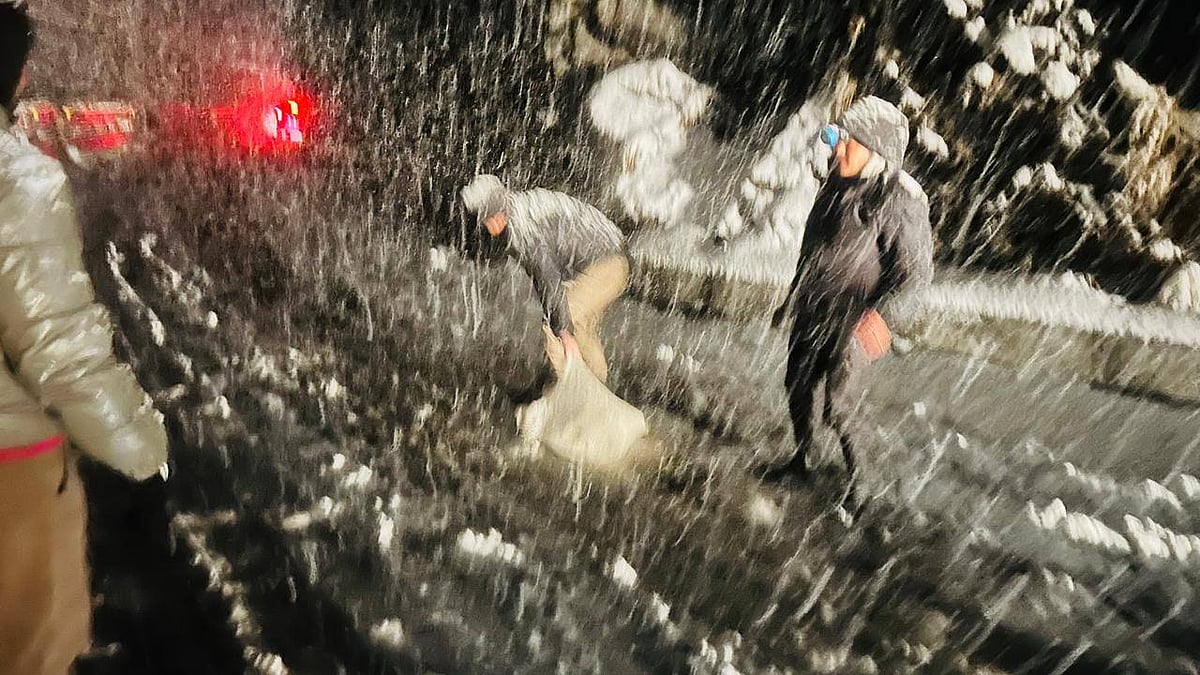
More than 2,700 tourists were recently rescued after heavy snowfall trapped them near Tsomgo Lake in East Sikkim. The sudden weather change caused hundreds of vehicles to get stuck on the mountain roads, making it impossible for visitors to move. Local authorities and rescue teams worked through the night to ensure every person was brought to safety. No injuries were reported during the large-scale operation, which involved over 500 vehicles.
Main Impact
The heavy snowfall created a dangerous situation for thousands of travelers who were visiting the high-altitude region. Because the roads became blocked so quickly, many people were left stranded in freezing temperatures. The successful rescue of 2,736 people shows the efficiency of the local emergency response teams. However, the event also highlights the risks of mountain travel during the winter season and the need for better preparation among tour operators and drivers.
Key Details
What Happened
The incident took place in the higher reaches of East Sikkim, specifically around Sherathang and the road leading to Tsomgo Lake. Intense snow began to fall, quickly covering the roads and making them too slippery for standard cars to drive. This led to a massive traffic jam where 541 tourist vehicles were trapped between a point known as the 15th Mile and the lake itself. With the roads blocked, the tourists had no way to return to the capital city of Gangtok or find shelter on their own.
Authorities began a rescue mission as soon as the scale of the problem became clear. They moved in a systematic way, helping people out in groups to ensure no one was left behind in the cold. The work continued late into Tuesday night until the last person was moved to a safe location.
Important Numbers and Facts
The scale of the rescue was significant due to the high number of people involved. Here are the key figures from the event:
- Total Tourists Rescued: 2,736 people were safely evacuated.
- Vehicles Stranded: 541 cars and SUVs were stuck in the snow.
- Location: The area between 15th Mile and Tsomgo Lake in East Sikkim.
- Timeframe: The rescue operation was completed late Tuesday night.
- Casualties: There were zero reported injuries or deaths.
Background and Context
Tsomgo Lake, also known as Changu Lake, is one of the most popular tourist spots in Sikkim. It sits at an altitude of about 12,400 feet above sea level. Because it is so high up, the weather can change in a matter of minutes. Even when the weather seems clear in the lower valleys, the mountain passes can experience heavy snow and strong winds.
Winter is a busy time for tourism in Sikkim as many people want to see the snow. However, the roads in this region are narrow and steep. When snow falls, it quickly turns into ice, making it very hard for tires to grip the ground. Without the right equipment, vehicles can easily slide off the road or get stuck, causing long delays for everyone else behind them.
Public or Industry Reaction
Following the rescue, the Sikkim Tourism Department issued a strong warning to visitors and travel agencies. They pointed out that safety must be the top priority when planning trips to high-altitude areas. Officials expressed relief that the rescue ended without any harm to the tourists, but they also noted that such situations put a heavy strain on local resources.
Travel experts and local guides have also shared their views. Many believe that there should be stricter checks at the start of the mountain roads. If a vehicle is not prepared for snow, it should not be allowed to go up. There is a general agreement that while the mountains are beautiful, they must be respected, especially during the peak of winter.
What This Means Going Forward
To prevent this from happening again, the state government is emphasizing the use of safety gear. One of the most important tools is the snow chain. These are metal chains that wrap around car tires to give them extra grip on ice and deep snow. The Tourism Department has stated that using these chains will be mandatory for vehicles traveling in these conditions.
Tourists are also being told to check official weather reports before they start their journey. If a heavy snow warning is active, trips to Tsomgo Lake or the Nathu La pass may be canceled or delayed. For the travel industry in Sikkim, the focus is now on balancing the desire for tourism with the physical safety of every visitor who enters the state.
Final Take
The successful rescue of over 2,700 people is a testament to the hard work of the Sikkim authorities. While the event ended safely, it serves as a serious reminder of how unpredictable nature can be. Travelers must stay informed and prepared when visiting high-altitude locations to ensure their holiday remains a happy memory rather than a dangerous ordeal.
Frequently Asked Questions
Where is Tsomgo Lake located?
Tsomgo Lake is located in East Sikkim, India, at an altitude of approximately 12,400 feet. It is a major tourist attraction near the border with China.
What should tourists do if they get stuck in snow?
Tourists should stay inside their vehicles to keep warm and wait for instructions from rescue teams. It is important to keep the exhaust pipe clear of snow and follow the advice of local authorities.
Are snow chains necessary for driving in Sikkim?
Yes, during the winter months, snow chains are often mandatory for vehicles traveling to high-altitude areas like Tsomgo Lake to prevent sliding and road blockages.

