
Summary
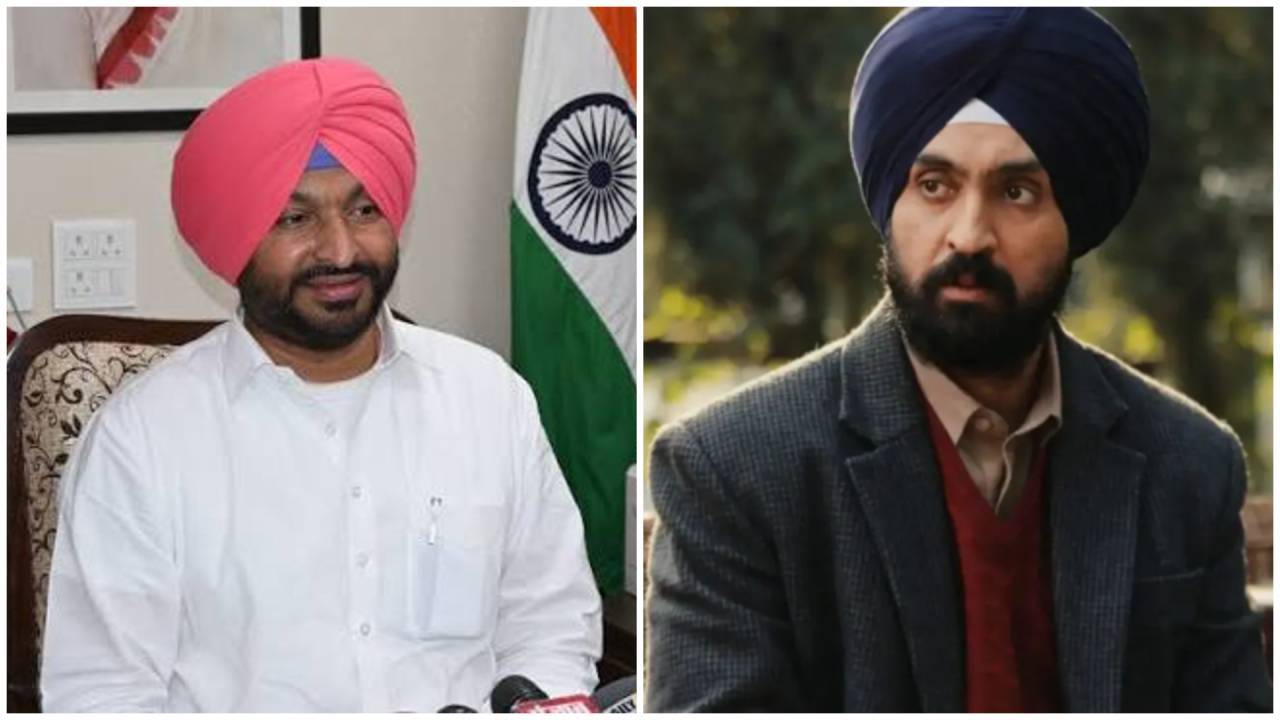
A new political dispute has erupted around Punjabi star Diljit Dosanjh's film "Satluj." Union Minister Ravneet Singh Bittu called the actor an "impostor" and denied that the central government pressured OTT platform Zee5 to remove the movie. The minister made these comments in Ludhiana, stating the government has no control over streaming services.
Main Impact
The controversy over "Satluj" has now moved from the entertainment world into politics. The Union Minister's strong words against a popular celebrity like Diljit Dosanjh have drawn attention. Many people are now questioning whether the government influences what content appears on streaming platforms. The minister's denial aims to clear the air, but the issue remains a hot topic among fans and political observers.
Key Details
What Happened
Union Minister Ravneet Singh Bittu spoke to reporters in Ludhiana about the removal of Diljit Dosanjh's film "Satluj" from Zee5. He strongly rejected any suggestion that the central government was involved. Bittu called Diljit an "impostor" and said the actor-singer should not blame the government for the film's removal.
Important Numbers and Facts
The film "Satluj" was taken down from Zee5 recently. The exact date of removal is not clear. Diljit Dosanjh is a major figure in Punjabi music and cinema. Ravneet Singh Bittu is a Union Minister from Punjab. The minister made his comments in Ludhiana, a major city in the state.
Background and Context
OTT platforms like Zee5 have become very popular for watching movies and shows. Sometimes, films are removed due to licensing issues, content disputes, or other business reasons. In this case, some people believed the government forced the removal because of the film's subject matter. The minister's statement is meant to show that the government does not control what these private companies show. This is part of a larger debate about free speech and government influence on media.
Public or Industry Reaction
Diljit Dosanjh has a huge fan base, especially in Punjab and among Punjabi-speaking people worldwide. Many fans have expressed anger and disappointment over the film's removal. Some have accused the government of censorship. Others believe the minister's comments are unfair to the actor. The film industry is watching closely, as this case could set a precedent for how OTT content is handled in the future.
What This Means Going Forward
This controversy shows how sensitive cultural and political issues can become when they involve popular figures. The minister's strong words may increase tension between the government and the entertainment industry. It also raises questions about the independence of OTT platforms. Going forward, both sides may need to clarify their positions more clearly. The public will likely continue to debate whether the government has any role in content removal from streaming services.
Final Take
The "Satluj" controversy is more than just a film dispute. It highlights the ongoing conversation about free expression, government power, and the role of digital media in India. While the minister denies any government involvement, the issue is far from settled. How this plays out could affect how films and shows are treated on streaming platforms in the future.
Frequently Asked Questions
Why was Diljit Dosanjh's film Satluj removed from Zee5?
The exact reason for the removal is not officially confirmed. Some people believe it was due to political pressure, but Union Minister Ravneet Singh Bittu has denied any government involvement. It could be related to licensing or content issues between the film's makers and the platform.
What did Union Minister Ravneet Singh Bittu say about Diljit Dosanjh?
The minister called Diljit an "impostor" and said the actor should not blame the central government for the film's removal. He stated that the government has no control over OTT platforms and dismissed claims of political pressure.
Does the Indian government control what is shown on OTT platforms?
According to Union Minister Ravneet Singh Bittu, the government does not control OTT platforms. These are private companies that make their own decisions about content. However, there are rules and regulations that all media must follow, and sometimes content can be removed if it violates these rules.



