
Summary
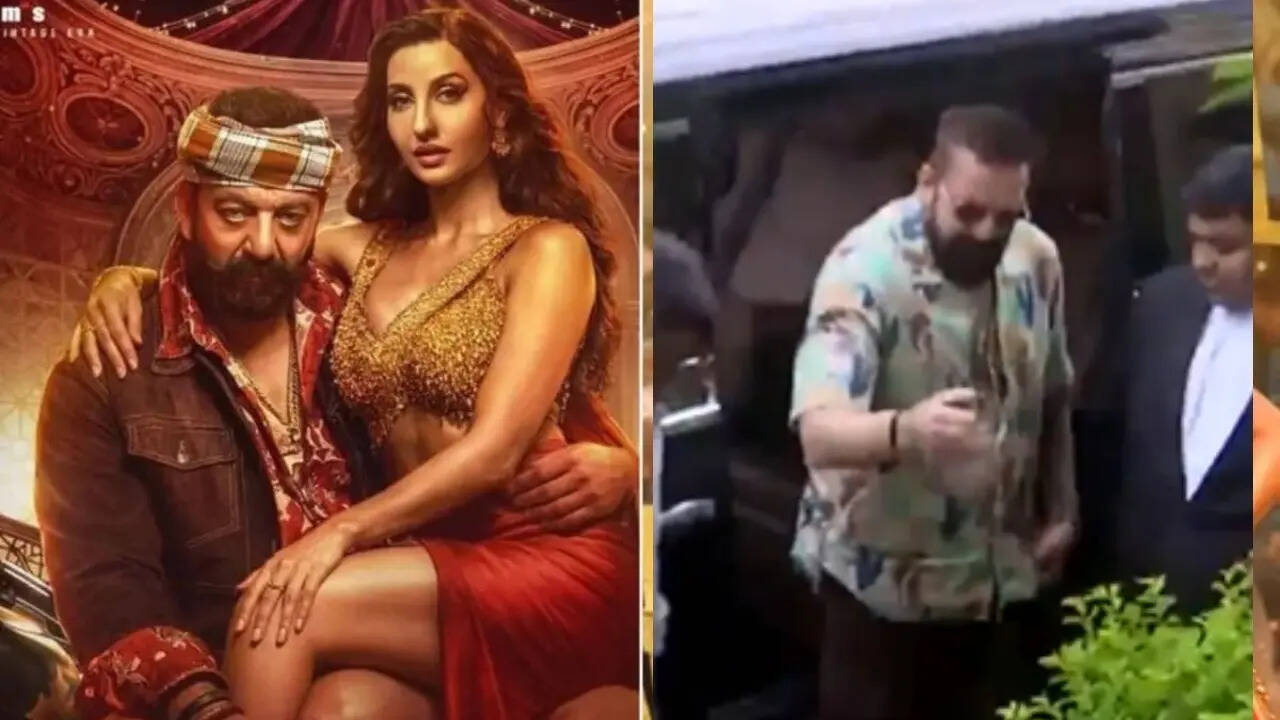
Bollywood actor Sanjay Dutt recently appeared before the National Commission for Women (NCW) to address the controversy surrounding the song "Sarke Chunar Teri Sarke." The actor offered a formal apology for the track, which had come under fire for its suggestive lyrics and dance moves. This meeting follows a period of public debate regarding the appropriateness of the song's content and its impact on viewers. The matter highlights the increasing oversight of entertainment content by national regulatory bodies.
Main Impact
The primary impact of this development is the immediate removal of the song's lyrical video from YouTube. By appearing in person and apologizing, Sanjay Dutt has acknowledged the concerns raised by the commission and the public. This move sets a clear example for the film industry, showing that even major stars are held accountable for the media they promote. It also demonstrates the active role the NCW is taking in monitoring how women are portrayed in popular music and film.
Key Details
What Happened
The controversy began shortly after the release of "Sarke Chunar Teri Sarke." Many listeners felt the lyrics were disrespectful and that the choreography was too suggestive. The National Commission for Women noticed the public outcry and decided to take action on its own. They summoned Sanjay Dutt to explain the nature of the song. During his appearance, the actor expressed regret and clarified his position, leading to a formal apology to resolve the issue.
Important Numbers and Facts
The NCW acted under its "suo motu" powers, which allows the organization to start an investigation without waiting for an official complaint from a victim. Following the meeting, the lyrical version of the song was pulled down from major digital platforms. This action affected the song's reach, as YouTube is the primary place where such videos gain millions of views. Other artists involved in the project, including actress Nora Fatehi, have also had to deal with the fallout of this controversy in recent weeks.
Background and Context
In the Indian film industry, music videos are a major part of movie promotion. Often, these songs use bold lyrics and high-energy dance routines to grab attention. However, there has been a growing conversation about the "objectification" of women in these videos. Objectification means treating a person like an object rather than a human being. The NCW is a government body that works to protect the rights of women and ensure they are treated with dignity in all areas of life, including the media.
This is not the first time a Bollywood song has faced such trouble. Over the last few years, several tracks have been edited or removed after people complained they were offensive. The public is now more vocal on social media, and government groups are responding faster to these concerns to ensure that entertainment remains respectful to all parts of society.
Public or Industry Reaction
The reaction to Sanjay Dutt’s apology has been mixed. Some fans believe that the actor did the right thing by taking responsibility and showing respect to the commission. They feel that the industry needs to be more careful about the messages it sends through its music. On the other hand, some people in the film industry worry that such actions might limit creative freedom. They argue that songs are a form of art and should not be judged so strictly.
Nora Fatehi, who is known for her dance performances, had previously addressed the controversy. She mentioned the hard work that goes into these projects but also acknowledged the need to be mindful of public sentiment. The removal of the video from YouTube has sparked a debate among digital creators about the line between entertainment and indecency.
What This Means Going Forward
Going forward, film producers and music directors will likely be more cautious when writing lyrics and planning music videos. The fact that a high-profile actor like Sanjay Dutt had to appear before a national commission sends a strong message. It suggests that the government is willing to step in if content is deemed inappropriate. This could lead to a new internal screening process within film studios to avoid legal or social trouble before a song is even released.
For the NCW, this case strengthens its position as a watchdog for women's rights in the media. We may see more instances where the commission takes independent action against content that it finds problematic. This will force the entertainment industry to balance the desire for "viral" hits with the need for social responsibility.
Final Take
The apology by Sanjay Dutt and the removal of the "Sarke Chunar" video show that the standards for public entertainment are changing. While creative expression is important, it must not come at the cost of respect and dignity. This event serves as a reminder that the influence of cinema is vast, and with that influence comes a duty to produce content that is suitable for a wide audience. The industry must now find a way to be modern and exciting without crossing the line into controversy.
Frequently Asked Questions
Why did Sanjay Dutt apologize to the NCW?
He apologized because the song "Sarke Chunar Teri Sarke" was criticized for having suggestive lyrics and choreography that many found offensive to women.
What happened to the song after the controversy?
The lyrical video of the song was removed from YouTube and other digital platforms following the intervention of the National Commission for Women.
What does "suo motu" mean in this case?
It means the National Commission for Women took action on its own after seeing the public reaction, without needing someone to file a formal legal complaint first.



