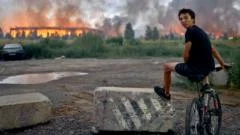
Another Deadly Morning in the Capital Region
Russian forces struck targets in Kyiv and the surrounding region, killing at least 21 people, according to initial reports. Emergency crews were seen clearing debris as the scale of the strike became clear.
Moscow confirmed the attack but framed it differently. Russia's defence ministry said it had struck logistics hubs and supply centres in the area — a claim that could not be independently verified.
Why Ukraine's Interceptor Appeal Keeps Growing Louder
Ukraine's message after the strike was direct: it needs more missile interceptors. Each incoming Russian missile must be matched by an interceptor, and current stocks are not keeping pace with the frequency of attacks.
The appeal is not new, but the death toll makes it more urgent. Every interceptor shortage translates into a visible cost — homes destroyed, families mourning, civilians killed in their own neighbourhoods.
What Moscow Says It Was Aiming At
Russia's defence ministry described the targets as logistics hubs and supply centres in Kyiv and the surrounding region. Such claims follow a familiar pattern: Moscow says it hits military infrastructure, while the visible impact falls on populated areas.
There is no independent confirmation yet of which specific sites were struck or how much damage was done to military versus civilian facilities.
Confirmed Facts vs What Remains Unclear
Confirmed: A Russian strike killed at least 21 people in Kyiv and the region. Russia's defence ministry said it targeted logistics hubs and supply centres. Ukraine has publicly requested more missile interceptors.
Unclear: The exact number of wounded, the full list of damaged sites, Ukraine's remaining interceptor inventory, and how Western allies will respond to the latest appeal.
A Strike That Reflects the War's Brutal Arithmetic
This attack highlights a central reality of the conflict: air defence capacity now decides how many missiles land and how many are destroyed mid-flight. For Ukraine, the gap between what it has and what it needs is a matter of daily survival.
For allies, the question is whether to supply more interceptors — and how fast those deliveries can reach the skies over Ukrainian cities.
Practical Guidance for Readers Following the War
For those tracking the conflict, the key point is simple: interceptor availability directly influences casualty numbers in each strike. For policymakers, the task is urgent — every delay in resupply is measured in lives, not just military readiness.
Our Take
This strike is a grim case study in the cost of air defence shortfalls. Ukraine is not asking for new technology — it is asking for more of the same interceptors, and faster. Each delay in resupply deepens the human cost.
The coming weeks will show whether this attack shifts the aid debate or simply becomes another number in a long and brutal war.
Frequently Asked Questions
How many people were killed in the Russian strike on Kyiv?
At least 21 people were killed in the strike on Kyiv and the surrounding region, according to initial reports.
Why does Ukraine say it needs more missile interceptors?
Because each incoming missile must be shot down by an interceptor, and Ukraine says its current stock is not enough to defend against repeated Russian strikes on cities and infrastructure.
What did Russia say it was targeting?
Russia's defence ministry said it struck logistics hubs and supply centres in Kyiv and the surrounding region.
What happens next after this strike?
Ukraine is expected to press its allies for faster deliveries of interceptor missiles. The scale and timing of any new military aid remain unclear.