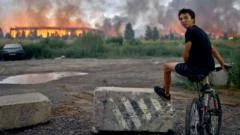
The numbers landed on a city still learning to count its dead: at least 17. But for Ukraine's president, the more painful arithmetic involves what was not overhead when the strike came — interceptors.
A strike aimed at the capital's logistics lifeline
Russia's defence ministry said it had struck logistics hubs and supply centres in Kyiv and the surrounding region. That official framing describes military targets, yet the reported toll of at least 17 dead puts the human cost at the centre of the aftermath.
The strike was not a distant battlefront event. It hit the capital region, the political and administrative heart of the country, where the war has repeatedly arrived with sirens and explosions.
Zelensky's calculation: what interceptors could have changed
President Volodymyr Zelensky said interceptors could have saved lives, according to the report. The remark is consistent with Ukraine's long-standing appeal for more Western-supplied air defence systems.
The implied argument is direct: fewer lives might have been lost if more defensive firepower had been in place before the attack. It turns a strategic supply question into a statement about preventable death.
Why an interceptor gap turns into a death toll
In a war where missiles reach cities with little warning, interceptors are not abstract hardware. For residents, the presence or absence of active defence can decide whether a night ends with a scramble to shelter or a quiet street.
Zelensky's comment transforms a logistical debate — how many systems, which types, delivered when — into a personal one. Each unanswered request carries a potential price measured in lives, and Sunday's reported toll is now part of that ledger.
Behind the label of 'logistics hubs' lie civilian streets
Logistics hubs employ civilians. Supply centres sit in populated areas. When Moscow says it targets military infrastructure, Kyiv counts the human cost regardless of the label.
The reported 17 dead are not categories in a defence ministry statement. They are people whose routines were interrupted by the strike — and whose families now face a different kind of morning.
Moscow's framing meets Kyiv's grief
Russia's defence ministry characterised the strikes as targeting logistics hubs and supply centres in Kyiv and the surrounding region. That account describes the objective; it does not address the civilian toll reported afterward.
Ukraine's leadership, through Zelensky, responded by focusing on prevention rather than reinterpretation. The message was not about the target list, but about what could have stopped the attack from being lethal.
The other side of the interceptor argument
Air defence is finite. Militaries must decide which cities, which infrastructure and which moments get protection — and no system guarantees a perfect intercept rate.
Critics of the argument for more interceptors note that defence is reactive, while attacks adapt. But supporters counter that every successful intercept is a family spared. Both views will shape the coming debate in allied capitals.
Confirmed: what this report actually establishes
Confirmed: at least 17 people were killed in a