
Summary
A temporary ceasefire meant to honor the Easter holiday has failed in the ongoing war between Russia and Ukraine. Despite hopes for a short period of peace, thousands of military violations were reported across the front lines almost immediately after the truce was supposed to start. This breakdown shows how difficult it is for both sides to stop fighting, even for a few days. The failure of the agreement has left many civilians without the safety they were promised during this important religious time.
Main Impact
The collapse of the Easter truce has a direct and painful impact on the people living in the middle of the conflict. For many families, this was a rare chance to visit relatives or attend church services without the fear of falling bombs. When the fighting continued, that sense of safety disappeared. Beyond the immediate danger, the failure of this pause makes future peace talks look even more unlikely. It proves that trust between the two sides is at an all-time low, making it hard for aid groups to move food and medical supplies into the hardest-hit areas.
Key Details
What Happened
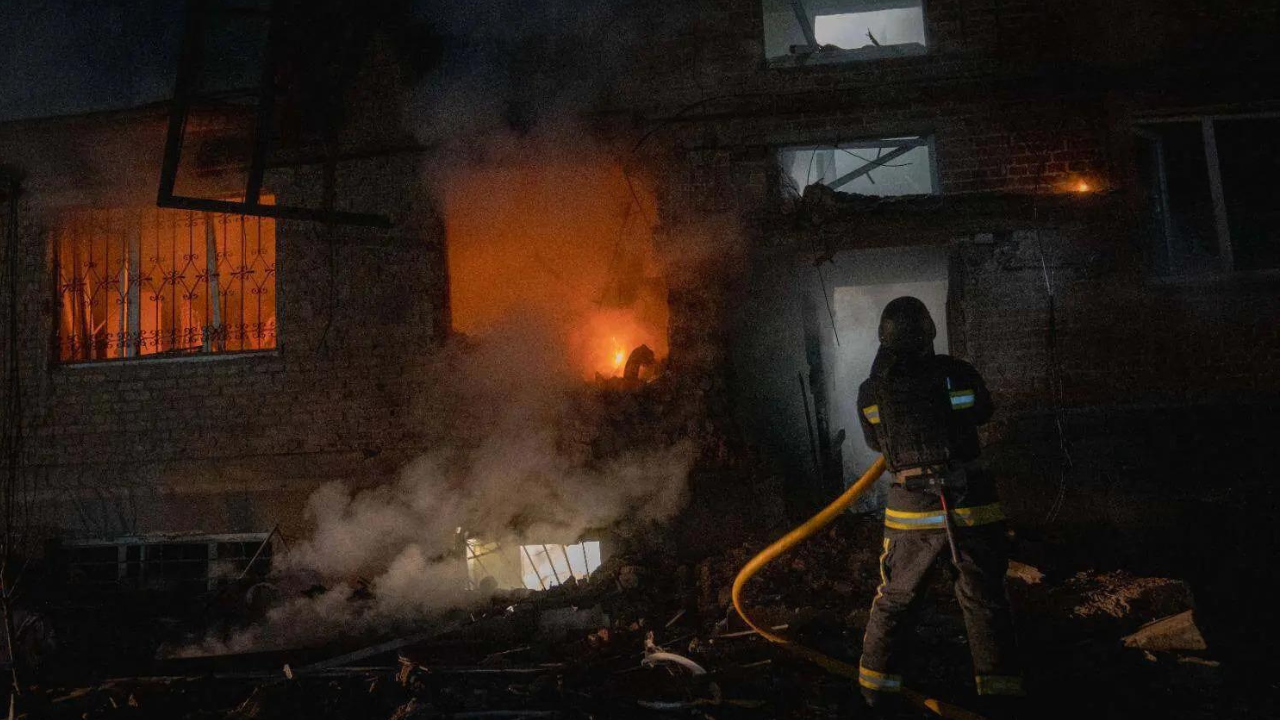
The truce was intended to provide a quiet window for the Easter weekend, a time that is deeply significant for people in both Russia and Ukraine. Religious leaders and international groups had called for a "silence of the guns" to allow people to pray and reflect. However, the silence never came. Reports from the ground indicate that heavy fighting continued in several key regions. Both armies accused the other of firing first, leading to a quick return to full-scale combat. Instead of a holiday break, the weekend was marked by the sound of explosions and sirens.
Important Numbers and Facts
Monitoring groups tracked more than 2,500 separate incidents of fighting during the period when the truce was supposed to be active. These violations included the use of heavy artillery, mortar fire, and drone strikes. In the eastern parts of the country, some areas saw more activity than they had in the weeks leading up to the holiday. Officials reported that dozens of civilian buildings were damaged during these exchanges. The high number of violations suggests that neither side truly stopped their military operations, even for a few hours.
Background and Context
The war between Russia and Ukraine has been going on for a long time, and this is not the first time a truce has failed. In this part of the world, Easter is a major holiday for both Orthodox and Catholic Christians. Because both nations share these religious roots, there is often a push for a ceasefire during this time. However, the strategic goals of the war often get in the way of these humanitarian efforts. Each side fears that if they stop shooting, the other side will use the time to move soldiers or bring in more weapons. This fear makes it very hard for any ceasefire to hold, no matter how much the public wants it.
Public or Industry Reaction
The reaction from the international community has been one of deep disappointment. Leaders from the United Nations and various European countries had expressed hope that a short break could lead to a longer conversation about ending the war. When the reports of violations came in, many expressed frustration that even a religious holiday could not bring a pause to the violence. On the ground, local residents shared a mix of anger and sadness. Many people said they no longer believe in the possibility of a truce because they have seen so many of them fail in the past.
What This Means Going Forward
The failure of the Easter truce suggests that the coming months will be very difficult. As the weather improves and the ground becomes firmer, military experts expect the intensity of the war to grow. Without the ability to agree on a simple three-day pause, it is hard to see how the two sides will ever agree on a permanent peace deal. For now, the focus will likely return to the battlefield. Aid organizations will have to find new ways to help people without the protection of a ceasefire, which means the risk to humanitarian workers will remain very high.
Final Take
The quick collapse of this holiday truce is a reminder of the harsh reality of this war. While the world hopes for small signs of peace, the situation on the ground remains focused on military strength. The fact that thousands of violations happened so quickly shows that the path to ending this conflict is still very long and full of obstacles. For the people living through it, the wait for a true and lasting peace continues.
Frequently Asked Questions
Why did the Easter truce fail?
The truce failed because both sides continued to fire weapons and accused each other of breaking the agreement. A lack of trust meant that neither side felt safe enough to stop their military actions.
How many violations were reported?
Monitoring groups reported over 2,500 violations during the holiday weekend. These included everything from small gunfights to large missile and drone attacks on cities and military positions.
What does this mean for future peace talks?
The failure of such a short and simple ceasefire makes it much harder to plan for bigger peace talks. It shows that both sides are currently more focused on fighting than on finding a way to talk.

