Summary
Russia and Ukraine have agreed to a temporary ceasefire to mark the Orthodox Easter holiday. The announcement came from Russian President Vladimir Putin, stating that the pause in fighting will begin on Saturday afternoon and continue through the end of Easter Sunday. This short break is intended to allow millions of people to observe their most important religious holiday without the immediate threat of violence.
Main Impact
The primary impact of this truce is the immediate safety of civilians living near the front lines. For a brief window of time, families can attend church services and gather for traditional meals without the fear of shelling or missile attacks. This pause also provides a vital mental and physical break for soldiers who have been in combat for years. While the truce is short, it offers a rare moment of calm in a conflict that has seen very few interruptions since it began.
Key Details
What Happened
The Russian government officially called for the stop in military actions to honor the religious traditions shared by both nations. Ukraine has signaled that it will also respect the pause to protect its citizens and allow for holiday observances. This agreement follows several weeks of heavy fighting and comes at a time when the international community has been pushing for humanitarian breaks. The truce is specific to the Easter period and does not include any long-term peace conditions.
Important Numbers and Facts
The ceasefire is scheduled to start on the afternoon of Saturday, April 11, 2026. It is set to last until midnight on Sunday, April 12, 2026. This 36-hour window covers the most sacred parts of the Orthodox calendar, including the late-night Easter vigils and the Sunday morning celebrations. Both Russia and Ukraine have large populations of Orthodox Christians, making this holiday a significant cultural event for both sides of the border.
Background and Context
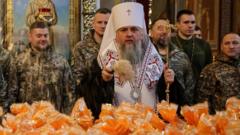
Orthodox Easter is the most significant day in the religious calendar for both Russians and Ukrainians. The two countries share deep historical and spiritual roots that center around this holiday. Since the full-scale conflict began in February 2022, there have been several attempts to arrange "holiday truces" for both Christmas and Easter. Some of these attempts were successful, while others were ignored or broken within hours. In the current state of the war in 2026, any agreement to stop shooting, even for a day, is seen as a major development because communication between the two sides has been very limited.
Public or Industry Reaction
The reaction to the news has been a mix of relief and caution. Many families who have been separated by the war expressed hope that the quiet hours would allow them to speak with loved ones or move to safer locations. Religious leaders from around the world have praised the decision, calling it a necessary step to respect human life and faith. However, military analysts remain skeptical. Many experts warn that such a short truce is often used by armies to move supplies, fix equipment, or reposition troops for future attacks. On the ground, many soldiers have expressed doubt that the silence will last the entire weekend, as trust between the two forces remains very low.
What This Means Going Forward
This truce is a temporary measure and does not signal the end of the war. Once Easter Sunday concludes, military operations are expected to resume at their previous levels. However, the fact that an agreement was reached shows that small windows for negotiation still exist. If the ceasefire holds without major violations, it could serve as a model for future humanitarian pauses. These breaks are essential for delivering food, water, and medicine to cities that are hard to reach during active fighting. The next steps will depend on whether both militaries can control their forces and prevent accidental clashes that could break the peace early.
Final Take
A holiday truce provides a much-needed moment of humanity in a very difficult conflict. While it only lasts for a weekend, it allows people to focus on their faith and their families instead of the war. The success of this short break will be measured by whether the guns actually stay silent and whether civilians can celebrate their holy day in safety. It is a small step, but for those living in the middle of the fighting, it is a significant one.
Frequently Asked Questions
When does the Easter truce start and end?
The truce begins on the afternoon of Saturday, April 11, 2026, and is scheduled to end at the close of Sunday, April 12, 2026.
Why was this specific time chosen for a ceasefire?
The timing is set to match Orthodox Easter, which is the most important religious holiday for the majority of people in both Russia and Ukraine.
Does this agreement mean the war is coming to an end?
No, this is a temporary humanitarian pause. Both sides have indicated that military operations will likely continue once the holiday period is over.