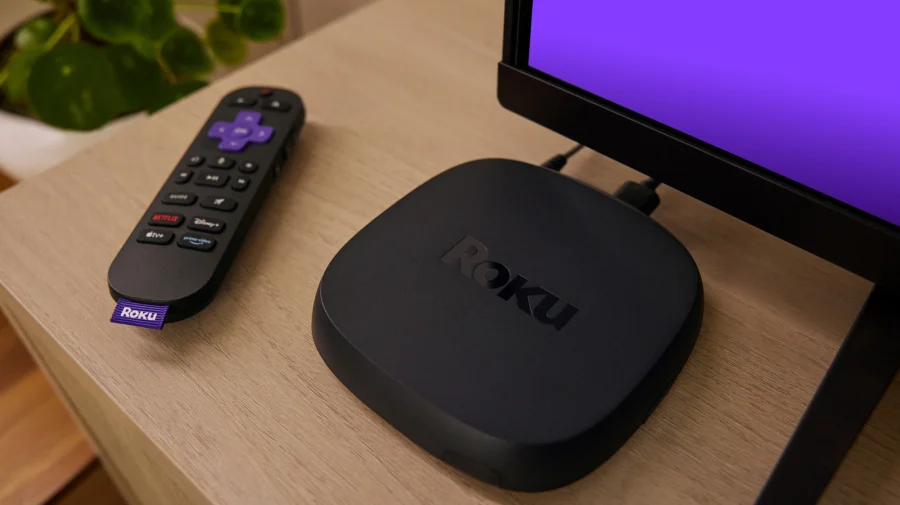
Roku has quietly raised prices across its entire hardware range, making your next streaming upgrade more expensive. The company, a dominant player in the set-top box market, confirmed the move late this week, blaming a prolonged memory chip shortage that continues to squeeze electronics manufacturers globally.
Which Roku Models Got More Expensive?
The price increase affects nearly every Roku streaming device. The Roku Express now costs $29.99, up from $24.99. The Streaming Stick rose from $34.99 to $39.99, while the Roku Ultra jumped to $99.99 (previously $79.99). The Roku Streambar and Smart Soundbar also saw modest $10 hikes. The changes are live on Roku’s official store and at retailers like Amazon and Best Buy.
Why Roku Is Raising Prices — The Real Reason
In a statement, Roku said the price adjustments are “due to the persistent rise in memory chip costs across the industry.” Memory is a critical component in streaming devices, powering the operating system and app caching. A global semiconductor shortage — especially for DRAM and NAND chips — has driven up costs for manufacturers since 2021, and Roku is now passing that along to consumers.
How This Affects the Streaming Wars
Roku competes with Amazon Fire TV, Google Chromecast, and Apple TV. The price hike could push budget-conscious buyers toward competitors, especially Amazon’s Fire TV Stick Lite, which remains at $29.99. However, Roku’s user-friendly interface and content-agnostic platform still give it a loyal base. The increase may also accelerate cord-cutters’ shift to smart TVs, where Roku’s operating system is often built in — a segment not affected by these hardware price changes.
What the Memory Shortage Means Long-Term
Industry analysts warn that memory chip supply will remain tight through mid-2024. Roku’s move reflects a broader trend: consumer electronics costs are rising across the board. For Roku, the decision is about maintaining margins on a low-margin hardware business. For consumers, it means paying more for the same box — or waiting for a sale.
What Buyers Should Do Now
If you were planning to buy a Roku device, consider checking for bundle deals or refurbished units. Roku frequently runs promotions around Black Friday and Prime Day. Alternatively, evaluate whether your current TV already supports Roku’s platform (many TCL, Hisense, and Sharp models do). For now, the price hike is here, but the streaming experience remains unchanged.
Industry Pattern: Hardware Getting More Expensive
Roku is not alone. Apple raised the price of some iPhone models, and Samsung increased TV costs. The memory shortage has become a recurring theme in electronics pricing. What sets Roku apart is its reliance on hardware sales as a primary revenue stream (alongside ad revenue from the platform). This makes it more vulnerable to component inflation than companies like Google or Amazon, which can subsidize hardware with services.
Our Take
Roku’s price hike is an honest — if unwelcome — reflection of the real-world economics of chip supply. The company could have absorbed costs, but given its thin profit margins, it chose to pass them on. For consumer, the sting is real, but the value proposition — a simple, ad-supported streaming ecosystem — remains strong. Watch for reaction from competitors, and keep an eye on used markets as buyers look for bargains.
Frequently Asked Questions
Is Roku increasing prices on all models?
Yes, Roku raised prices on its entire hardware range, from the Express ($5 increase) to the Ultra ($20 increase). The Streambar and Smart Soundbar also saw $10 hikes.
Why did Roku raise prices?
Roku cited industry-wide memory chip shortages that have driven up component costs. The company said the increase was necessary to maintain product quality and availability.
Will my existing Roku device stop working?
No. The price increase only affects new purchases. Existing devices will continue to receive software updates and support as before.
Should I buy a Roku now or wait?
Prices are unlikely to drop soon. If you need a streaming device, buying now is fine. However, if you can wait, look for deals during major sales events like Black Friday or Amazon Prime Day.