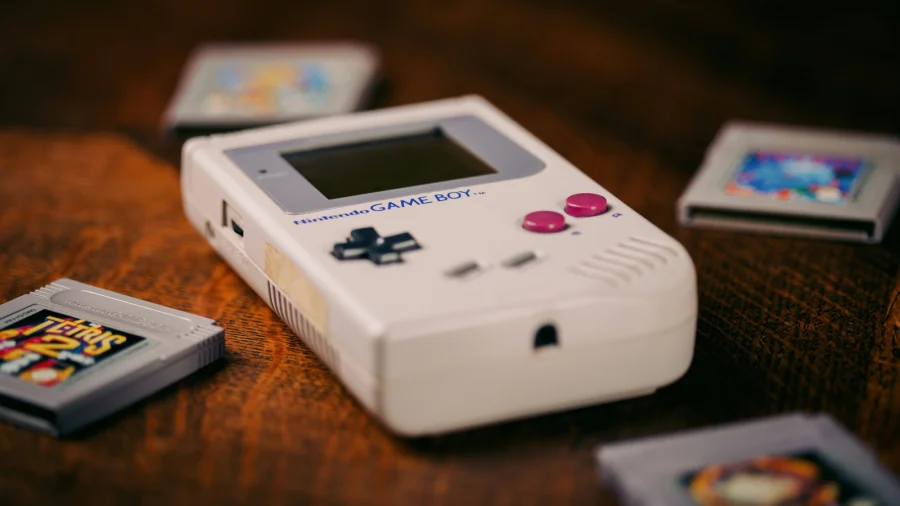
There is a specific moment every retro handheld owner knows. You are two dungeons deep into a Game Boy Advance classic, completely absorbed — and then the screen dims, the warning icon appears, and the session has a deadline. The frustration feels unfair. These devices run decades-old games that were designed to sip power, so why does the battery vanish so quickly? The answer has less to do with the console and more to do with how it is being used. The good news is that a handful of genuinely simple habits can stretch your playtime noticeably.
Why battery life quietly decides your play session
Retro handhelds such as the Anbernic RG35XX, Miyoo Mini Plus and Retroid Pocket are built around modern lithium-ion cells running software that emulates older systems. But powerful screens, wifi modules and inefficient defaults all pull from the same small battery. How long a charge lasts is not fixed at the factory. It shifts with brightness, background processes and charging behaviour — which means you have more control than you think.
Screen brightness is the biggest silent drain
On almost every retro handheld, the display consumes more power than the processor running the game. A bright screen at 100 percent can cut session time dramatically compared with a mid-level setting. The fix is simple and immediate: set brightness to the lowest level that still feels comfortable indoors. If your device has auto-brightness, use it. It is the single fastest way to add time to every charge.
Standby mode is convenient — but it still costs you
Pressing the power button to sleep a console feels harmless. In reality, standby keeps the system partially active, and some devices drain noticeably over hours or days. If you are done playing for the day, choose a full shutdown instead of sleep. It takes a few extra seconds to boot back up, but it stops the slow battery bleed that leaves you with an empty console at the worst possible moment.
Better charging habits protect the battery for years
The battery chemistry in these devices is well understood. Lithium-ion cells age fastest when exposed to heat or when held near 100 percent charge for long periods. A few practical rules follow. Do not leave the console plugged in overnight every single night. Avoid charging in direct sunlight or warm rooms. And stop worrying about partial charges — topping up from 40 to 80 percent is actually healthier than a full cycle. If you are storing the device for weeks, leave it around half charged in a cool place.
Power settings and emulator tweaks worth using
Most emulator frontends on these devices offer settings that most owners never touch. Lowering the console's volume or using headphones reduces amplifier draw. Many devices include a performance or power-save mode — switching from 'high performance' to 'balanced' makes little visible difference on 16-bit games but can save real power. Disabling wifi when you do not need syncing or retro achievements also removes a constant background drain.
The real cost of running on low battery
It is tempting to ignore the warning and keep playing until the device dies by itself. That habit has a hidden penalty beyond the interrupted session. A l锂电池 that is repeatedly drained to zero and then fully recharged wears out faster than one that is kept in a comfortable middle range. If you treat the low-battery warning as a signal to save and shut down, you protect both your progress and the long-term health of the cell.
What the battery chemistry actually means for you
None of this is manufacturer hype. The basic rules of lithium-ion care — keep it cool, avoid extreme charge states, limit full discharges — come from the underlying chemistry of the cells themselves, not from any single brand. That is why these tips apply broadly across the retro handheld market rather than to one specific model. A Miyoo Mini and a Retroid Pocket 4 behave the same way under the same stresses.
The honest limits: when tips stop being enough
It is also worth stating what these habits cannot do. No setting change will rescue a battery that is already aged or swollen. If your console shuts down at 30 percent or the charge drops unusually fast, the cell itself is degrading. These devices are not designed for user-replaceable batteries in every case, but many models have accessible panels — and a fresh battery often restores the device to near day-one performance. Recognising that limit is part of managing battery life responsibly.
Why retro handhelds are everywhere right now
The surge in retro handheld popularity reflects a wider shift in gaming. Players tired of subscription services and patched-heavy modern titles are returning to pick-up-and-play classics. The handheld format makes that nostalgia portable, and battery life is central to the promise. A device that cannot survive a commute, a flight or an afternoon on the couch undermines the entire appeal. That is why this topic matters beyond simple optimisation — it is about whether the device actually fits the way people live.
What to do this week to get more playtime
Start with the fastest wins. Drop your brightness to a comfortable minimum. Shut the console down fully when you finish a session rather than leaving it in sleep. Disable wifi unless you need it. Set a charging routine that avoids overnight full charges. And if you have not checked your device's power-save options, spend five minutes in the settings menu. Most owners find those five minutes are worth an extra half hour of play.
Where handheld batteries are headed next
Newer retro handhelds are shipping with larger cells, more efficient screens and better standby behaviour, so some of these problems are easing with hardware generations. But the fundamentals will not change quickly. Lithium-ion technology still imposes the same constraints, and budget-priced devices still rely on default settings that favour performance over endurance. Expect software to improve faster than chemistry — which means user habits will remain the biggest variable for a while.
Our Take
The most overlooked accessory in retro gaming is not a case or a screen protector — it is a charging routine. These consoles are sold on nostalgia, but they are judged daily on battery stamina. The good news is that the gap between a frustrating and a reliable device is mostly behavioural. A few deliberate habits cost nothing, demand no technical skill, and deliver a measurable improvement in every session. That is a rare kind of win in any hobby: entirely free, genuinely effective, and immediately available.
Frequently Asked Questions
How can I improve battery life on my retro handheld console?
Lower screen brightness, fully shut down instead of using standby, disable wifi when unused, reduce volume, and use a balanced power mode in emulator settings. These are the most effective changes for most devices.
Is it bad to charge my retro handheld overnight?
Regular overnight charging keeps the battery at 100 percent for hours, which accelerates lithium-ion degradation over time. Partial charges between roughly 20 and 80 percent are healthier for long-term capacity.
Should I let my retro handheld battery drain completely before charging?
No. This is a holdover from older nickel-based batteries. Modern lithium-ion cells prefer partial discharges. Regularly draining to zero and then fully charging wears the battery out faster.
Does screen brightness really affect retro handheld battery life that much?
Yes. On most retro handhelds, the display is the largest single power consumer, often drawing more than the processor running the emulated game. Reducing brightness is the quickest way to extend playtime.