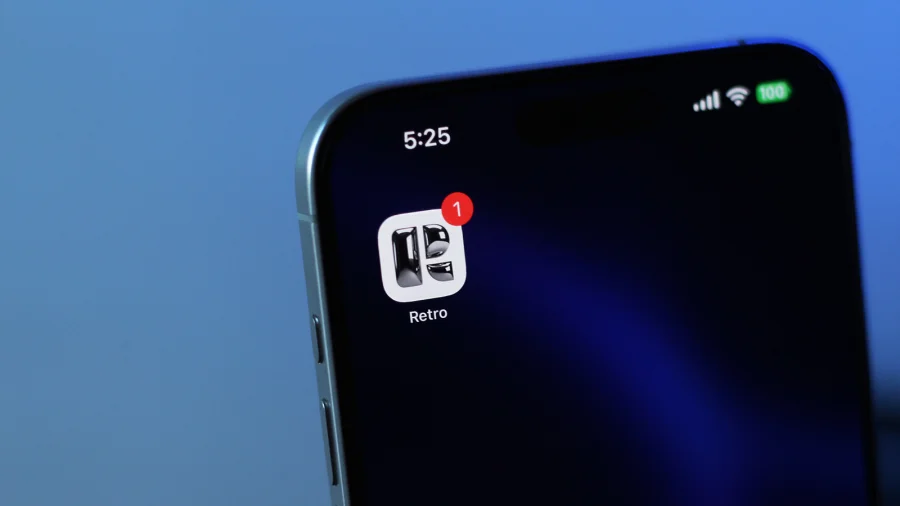
Another week, another social app asking for space on your home screen. Retro's pitch sounds simple — but is it a genuine alternative to Instagram, or just another photo-sharing fad? Here's what to know before you hit download.
A note on sourcing: at the time of writing, no high-confidence official or editorial sources were available to independently verify Retro's features. The points below reflect how the app is generally described and the questions this story raises. Confirm specifics against the official app listing before relying on them.
What is the Retro app actually for?
Retro is a social media app centred on photo sharing, but with a narrower audience than the platforms most people already use. Instead of broadcasting to followers, the idea is to share everyday moments with a smaller, closer group — photos that feel more like updates for friends than content for the public.
The positioning taps into a growing fatigue with algorithm-driven feeds. Users increasingly want a calmer, more intimate space for their pictures, and Retro is framed as that alternative.
How does Retro work — and how do you use it?
If you've used any photo-sharing network, the basic flow will feel familiar. You download the app, create a profile, build a circle of friends and start sharing photos with them.
Where Retro differs is intent. The app is designed around close circles rather than public discovery — fewer likes, fewer followers, fewer strangers. It sits somewhere between a private group chat and a digital photo album, with a film-inspired visual style as part of the experience.
For someone trying it for the first time, the practical step is simple: get a few close friends to join at the same time. The app's usefulness is tied directly to having people you actually know in your feed.
Is Retro free to use?
Based on available information, Retro operates as a free consumer app — you can download and use it without paying.
That said, nothing about its long-term pricing is guaranteed. Many social apps launch free and introduce paid tiers, subscriptions or premium features later. The reliable way to verify current costs is to check the official listing in your device's app store before committing.
Can Retro compete with Instagram or BeReal?
Competing with Instagram is a brutal game. Competing with the newer wave of "authentic sharing" apps like BeReal is a different, more winnable battle.
Retro's chances rest on one thing: network effects. A photo app only matters if the people you care about are on it. It may win loyalty through a cleaner, less performative experience, but it faces the classic problem — convincing people to open yet another app when their photos already live elsewhere.
Analysts would note that Instagram has copycat features and vast reach, while BeReal captured the authenticity moment early. Retro's differentiation depends on whether intimacy feels like a feature, not a limitation.
What's still unconfirmed about Retro
Honesty matters here. Without verified official documentation, statements about Retro's exact filters, privacy safeguards, moderation policies or future updates should be treated as speculation.
Questions that remain open: how does the developer plan to make money? What happens to your photos if you delete the app? And can a small team sustain the servers needed for photo storage at scale? None of these have confirmed answers available right now.
Should you download Retro right now?
The practical answer depends on your situation. If a handful of close contacts are willing to join you, Retro could genuinely replace the group chats you already use to share photos.
If you're hoping to discover new people or build a public following, this likely isn't the app for you. Before installing, read recent user reviews, check the permissions it requests and review the privacy settings. Caution is cheaper than regret when it comes to personal photos.
Our Take
The bigger story isn't just Retro — it's the direction it represents. After more than a decade of algorithmic feeds and public broadcasting, many users are drifting toward smaller, more sincere digital spaces. Retro is part of that wave, whatever happens to the app itself.
Whether it survives is uncertain. But the appetite behind it is real, and that's the signal worth paying attention to.
Frequently Asked Questions
What is the Retro app used for?
Retro is a photo-sharing social app designed for sharing everyday pictures with a small circle of close friends, rather than a large public audience. It's often described as a hybrid between a private group chat and a digital photo album.
Is the Retro app free?
Based on available information, Retro is free to download and use. However, long-term pricing is not confirmed, and the platform could introduce paid features later. Check the official app-store listing for the most current details.
How is Retro different from Instagram?
The core difference is audience. Instagram revolves around public feeds, followers and algorithmic discovery, while Retro focuses on close circles and everyday, unpolished photo sharing. It's built for intimacy rather than reach.
Can Retro compete with BeReal?
Both apps target the demand for authentic, less performative sharing, but they face the same network-effect problem: users only stay if their friends do. Whether Retro can outlast BeReal depends on execution, retention and how quickly it builds a loyal user base.