
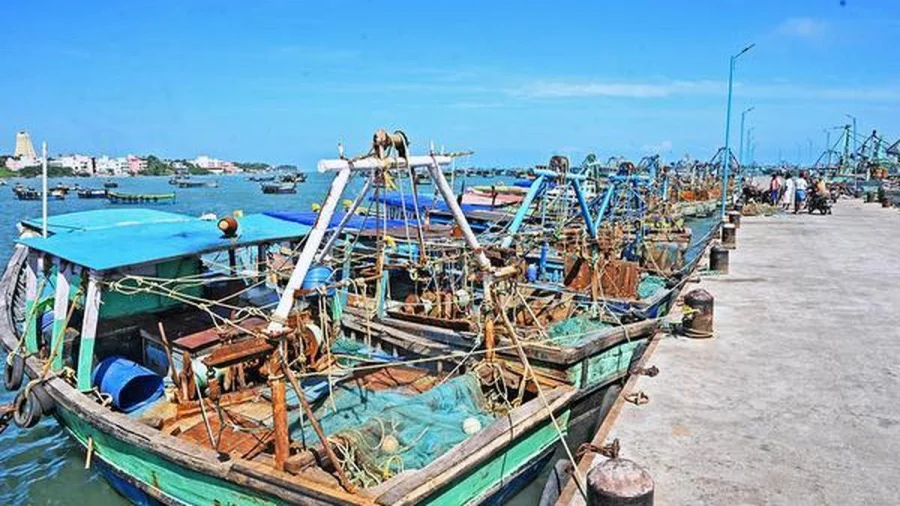
Ten fishermen from Rameswaram are in Sri Lankan Navy custody after being picked up at sea. The crew was taken to a port in the early hours of Thursday, according to the initial report. For a coastal town where thousands of families depend on a single boat's catch, a detention like this is more than a headline — it is a household waiting for news.
What the initial report says about the Rameswaram crew
The core fact, as reported: ten fishermen from Rameswaram have been held by the Sri Lankan Navy, and they were moved to a port in the early hours of Thursday. No further details were immediately available — neither the name of the boat nor the exact location where the crew was intercepted. The identity of the port has also not been confirmed.
Why Rameswaram fishing crews keep getting caught in Lankan custody
Rameswaram sits close to the India–Sri Lanka International Maritime Boundary Line in the Palk Bay. The surrounding waters are rich fishing grounds, but the narrow maritime border makes accidental crossings common. Sri Lankan Navy detentions of Indian fishermen are a recurring feature of this region over many years, although every incident must be examined on its own facts.
What a detention means for fishing families back home
The economic and emotional stakes are direct. A fishing trip that ends in detention means a lost catch, a held vessel, and a crew stranded in an unfamiliar port — often for weeks or longer. In Rameswaram, families typically learn about such incidents informally before official confirmation arrives, leaving them in an agonising information gap.
No official statement yet from either side
At the time of writing, no official statement about this specific detention had been issued by Indian authorities, Tamil Nadu fisheries officials, or the Sri Lankan Navy. That silence leaves basic questions open: who the fishermen are, which vessel they were on, and what, if anything, they have been accused of.
Confirmed so far vs what is still unclear
Verified as reported: ten fishermen from Rameswaram are held, and they were taken to a port in the early hours of Thursday. Unverified: the crew's identities, the port they were taken to, whether formal charges have been filed, whether the boat was seized, and the crew's current condition. Every one of these details is unconfirmed at this stage.
Risks that go beyond this one boat
Beyond this single crew, the incident underscores the risks Indian fishermen face in the Palk Bay — detention, loss of equipment, and the prospect of prolonged legal proceedings in a foreign jurisdiction. Fishermen's associations have long pressed for faster diplomatic intervention to secure releases, though no statement from them was available for this report.
The long-running India–Sri Lanka fishing friction
This detention is the latest instance of a long-standing friction point between India and Sri Lanka over fishing rights in the Palk Bay and the Gulf of Mannar. Successive governments on both sides have discussed mechanisms such as joint patrols and interim fishing arrangements. Each fresh detention revives those unresolved questions.
What to watch for in the coming hours
The next confirmed developments are likely to come from either the Sri Lankan Navy or Indian diplomatic channels: whether the fishermen are produced before a Sri Lankan court, whether consular access is granted, and whether Indian officials secure an early release. Until those details emerge, families and officials can only wait for official word.
Our Take
With so few confirmed details, the responsible approach is to treat this as a developing story, not a complete one. The core fact — ten Rameswaram fishermen held and moved to a port — matters because it touches livelihoods, bilateral ties and the daily reality of the Palk Bay fishing community. The priority now should be verifiable details and a clear official timeline for the crew's welfare and possible release.
Frequently Asked Questions
Why does the Sri Lankan Navy hold Indian fishermen?
Most detentions occur when fishing boats are found near or across the International Maritime Boundary Line in the Palk Bay. The narrow maritime border and overlapping fishing grounds make such incidents frequent. For this specific case, the location and reason have not yet been officially stated.
What happens to fishermen after they are taken to a Sri Lankan port?
In previously reported cases, detained crews have been produced before Sri Lankan courts, and release has followed through legal proceedings or diplomatic intervention by Indian authorities. For the current Rameswaram incident, no such details have been confirmed yet.
How common are Sri Lankan Navy detentions of Indian fishermen?
Detentions have been reported repeatedly over the years, with fishing crews held in Sri Lankan ports for varying periods. No official consolidated figure for this incident has been released, and totals vary depending on the period and source.
What should families of detained fishermen do for verified information?
Families typically receive updates through the local fishermen's association and the Tamil Nadu fisheries department. Anyone with direct knowledge of this crew should contact the Rameswaram fishermen's association or district fisheries officials rather than rely on unverified social media posts.



