
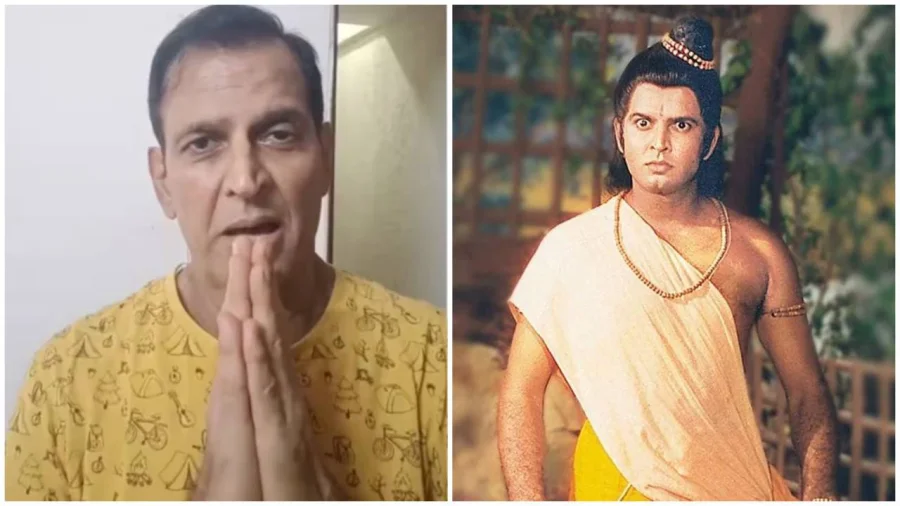
A child who calls herself "Gen Z" may know every global trend but little about the festivals, stories and values that shaped her own family. That gap is exactly what Ramayan actor Sunil Lahri is warning against — and his words have sparked a debate about how Indian children are being raised, taught and labelled.
'Not rooted in Indian culture': What the Ramayan actor said
Sunil Lahri, known for his role in the epic television series Ramayan, said labels such as Gen Z and Gen Alpha are taking younger generations "away from us." According to the reported story, he argued that these generational tags are not rooted in Indian culture.
The actor did not stop at criticism. He called on schools to bring Gurukul values into modern education, suggesting traditional learning methods can help preserve Indian sanskar, respect and cultural identity.
Why his words strike a chord with Indian families
For millions of Indian parents, the fear is familiar: children who are globally connected but culturally distant from their own roots. Lahri's comment gives that private worry a public voice.
Ramayan remains a cultural landmark in India, and its actors are remembered as symbols of traditional values. When a figure associated with that epic speaks about sanskar, it resonates with an audience that already reveres its lessons on duty, respect and family.
The label debate: More than just words
Gen Z and Gen Alpha are terms created by demographers and marketers to describe birth cohorts. Lahri's argument, as reported, is that in India these labels carry a worldview that pulls young people away from indigenous ways of thinking.
The emerging debate cuts both ways. Supporters of his view say labels shape identity — if a child is constantly told they belong to



