
Summary
Defence Minister Rajnath Singh recently took a major step toward improving military healthcare by laying the foundation stones for several new medical facilities in New Delhi. These projects include three specialized centers at the Army Hospital (Research & Referral) and significant new infrastructure at the Base Hospital in Delhi Cantonment. The initiative aims to provide advanced medical treatment for soldiers, veterans, and their families, focusing on critical areas like eye care, cancer treatment, and bone health. This move highlights the government's focus on maintaining a healthy and fit fighting force.
Main Impact
The primary impact of this development is the massive upgrade in specialized medical services, often called tertiary care, for the Indian Armed Forces. By building dedicated centers for specific health issues, the military medical system can now offer more precise and faster treatment. This reduces the need for personnel to seek help from private hospitals and ensures that the best medical technology is available within the military framework. Better healthcare directly affects the morale and readiness of the troops, as they know they and their families have access to top-tier medical support.
Key Details
What Happened
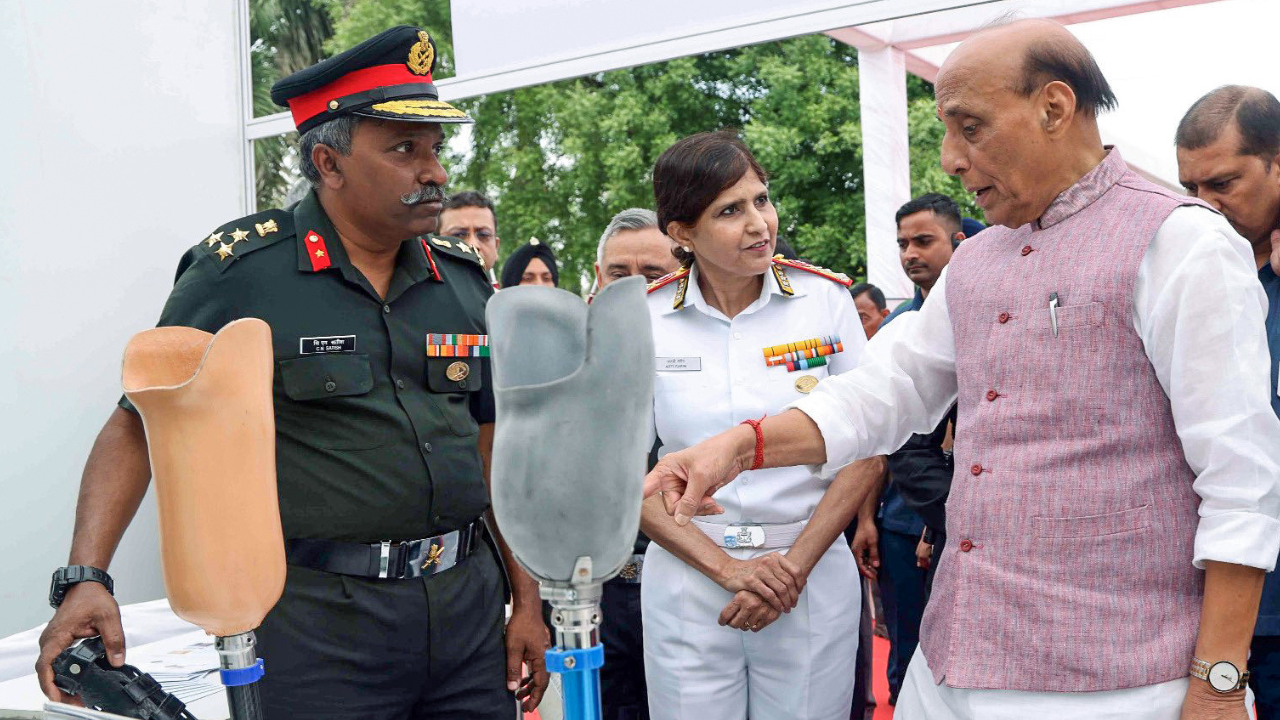
During a formal ceremony at Delhi Cantonment, Defence Minister Rajnath Singh officially started the construction of three new centers at the Army Hospital (Research & Referral), also known as R&R. These centers are designed to handle complex medical cases that require expert doctors and high-tech machines. In addition to the R&R upgrades, the Minister also started new infrastructure projects at the Base Hospital. These changes are part of a larger plan to modernize military hospitals across the country to keep up with global medical standards.
Important Numbers and Facts
The new facilities will focus on three main areas of medicine. First is Ophthalmology, which deals with eye health and surgeries. Second is Oncology, which is the study and treatment of cancer. Third is a specialized unit for joint replacements, helping those with knee or hip problems. While the exact cost of these specific buildings was not the main focus of the announcement, the project represents a multi-crore investment in the nation's defense health system. The Base Hospital expansion will also increase the number of beds and improve the overall capacity to treat patients daily.
Background and Context
Military hospitals are the backbone of the defense community's well-being. The Army Hospital (R&R) is already known as one of the best medical institutes in India, serving as a teaching hospital and a center for complex surgeries. However, as the population of veterans grows and medical needs become more complex, the existing buildings need more space and better tools. Tertiary care is different from basic check-ups; it involves specialized surgeries and long-term treatments for serious illnesses. Providing this care within the military system is essential for security and privacy, ensuring that those who serve the country are looked after by the state.
Public or Industry Reaction
The defense community has welcomed this move as a necessary update to the current medical system. Medical experts within the Armed Forces Medical Services (AFMS) believe that having dedicated centers for cancer and joint replacements will significantly lower the waiting time for surgeries. Many retired soldiers have also expressed support, noting that specialized care for elderly veterans is a growing need. The government’s emphasis on "health security" suggests that medical care is now being viewed as a core part of national strength, similar to how the country views weapons and training.
What This Means Going Forward
Looking ahead, these new centers will set a new standard for military medicine in India. Once construction is finished, the hospitals will be able to perform more advanced robotic surgeries and offer better chemotherapy and radiation treatments for cancer patients. This move also paves the way for more research within the military medical field. As these facilities become operational, the focus will likely shift toward digital health records and using artificial intelligence to help doctors diagnose diseases faster. The goal is to create a healthcare system that is not only modern but also capable of handling any emergency or long-term health challenge faced by the military.
Final Take
A strong military is built on more than just equipment; it relies on the health and strength of its people. By investing in these new medical centers, the government is ensuring that the Indian Armed Forces remain resilient. These facilities will provide a safety net for soldiers and their families, proving that their health is a top priority for the nation. Modernizing these hospitals is a practical and vital step in keeping the country’s defense system strong and ready for the future.
Frequently Asked Questions
What are the three new centers being built at the Army Hospital?
The three new centers will focus on Ophthalmology (eye care), Oncology (cancer treatment), and joint replacement surgeries to help patients with bone and mobility issues.
Who will benefit from these new medical facilities?
These facilities are designed to serve active-duty soldiers of the Indian Armed Forces, their families, and retired veterans who rely on the military medical system for their healthcare.
Why is the government focusing on "health security" for the military?
Health security ensures that the military remains fit for duty and that personnel receive the best care without delays. It is considered a vital part of national defense because a healthy force is more effective in its operations.



