
Summary
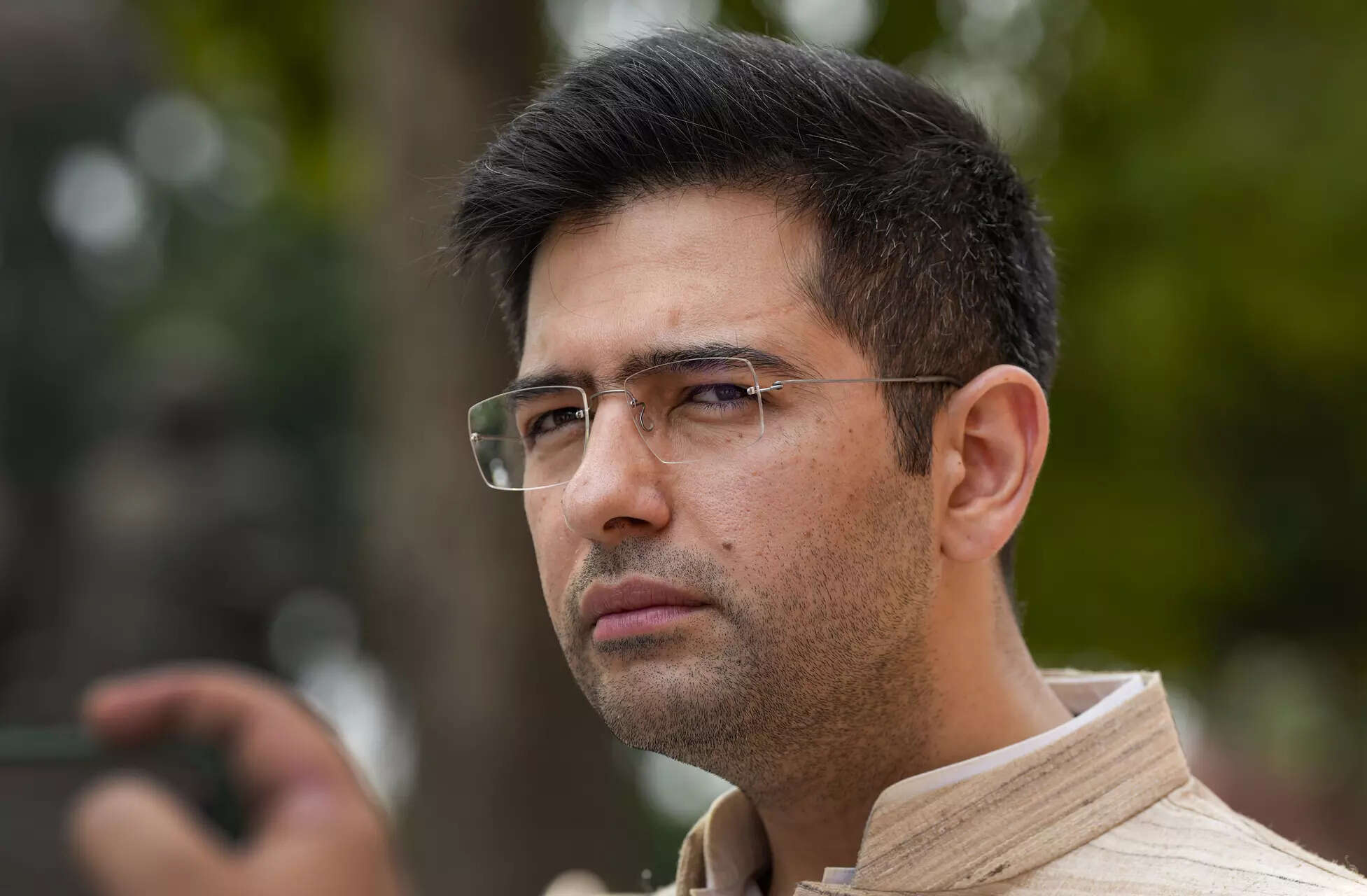
Raghav Chadha, a well-known member of the Rajya Sabha, has officially resigned from the Aam Aadmi Party (AAP) and joined the Bharatiya Janata Party (BJP). This major political shift follows weeks of visible tension between Chadha and the top leaders of AAP. Chadha stated that he left because the party no longer follows the core values it was built upon. This move is particularly notable because of Chadha's past efforts to make it harder for politicians to change parties.
Main Impact
The departure of Raghav Chadha is a significant blow to the Aam Aadmi Party. For years, he was one of the most visible and articulate faces of the party, often representing them in national debates and high-level legal matters. By joining the BJP, Chadha not only weakens AAP’s presence in the Rajya Sabha but also gives the BJP a strategic advantage in Delhi and Punjab politics. This move raises questions about the internal stability of AAP and how it will manage the loss of its key young leaders.
Key Details
What Happened
On Friday, Raghav Chadha held a press conference to announce his decision to join the BJP. He explained that his relationship with the AAP leadership had become strained over several months. Chadha claimed that the party had moved away from its original mission of fighting corruption and providing a fresh alternative to traditional politics. Shortly after his announcement, he was welcomed into the BJP by senior party officials, marking a total shift in his political career.
Important Numbers and Facts
In 2022, while serving as an MP for AAP, Raghav Chadha introduced a private member's bill in Parliament. This bill aimed to change the anti-defection law in India. At that time, Chadha argued that the current laws were too weak and allowed politicians to switch sides too easily. He proposed that any lawmaker who leaves their party should face immediate and strict consequences to protect the trust of the voters. Ironically, the very rules he wanted to strengthen would have made his current move to the BJP much more difficult to execute without losing his seat in the Rajya Sabha.
Background and Context
To understand why this is a big deal, it is important to know about the anti-defection law. In India, this law is meant to stop "horse-trading," which is when politicians are bought or convinced to switch parties to change who is in power. Currently, the law allows a group of lawmakers to switch if they make up a large enough portion of their original party. Chadha’s 2022 proposal wanted to close these gaps. He believed that when people vote for a candidate, they are actually voting for the party's symbol and ideas. Therefore, leaving the party is seen by many as a betrayal of the people's choice.
Public or Industry Reaction
The reaction to Chadha’s move has been split. Supporters of the BJP see this as a sign that even the most loyal members of AAP are becoming unhappy with the party’s direction. They view Chadha as a valuable addition who understands the inner workings of the opposition. On the other hand, AAP leaders have expressed disappointment, calling the move an act of political opportunism. Many people on social media have pointed out the irony of his 2022 bill, sharing old videos of Chadha speaking out against the very act of switching parties that he has now performed.
What This Means Going Forward
The next steps will likely involve legal and procedural questions regarding Chadha’s seat in the Rajya Sabha. Under current rules, if an elected member voluntarily gives up their membership of a political party, they can be disqualified from the house. However, political shifts often involve complex legal arguments to avoid such outcomes. For AAP, the focus will now be on keeping the rest of its members together and finding a new spokesperson who can fill the gap left by Chadha. For the BJP, the goal will be to use Chadha’s knowledge to further challenge AAP in upcoming local and state elections.
Final Take
Raghav Chadha’s transition from a top AAP leader to a BJP member is a reminder of how quickly things change in politics. While he once fought for laws to prevent politicians from switching sides, he has now made that very choice himself. This event highlights the ongoing power struggles within India’s political parties and shows that even the most vocal critics of a system can end up following its existing paths when their personal or professional goals change.
Frequently Asked Questions
Why did Raghav Chadha leave AAP?
Chadha stated that he left the Aam Aadmi Party because of a rift with the leadership and his belief that the party has moved away from its founding principles and original goals.
What was the bill Chadha proposed in 2022?
He proposed a private member's bill to strengthen the anti-defection law. The goal was to make it much harder for lawmakers to switch political parties after being elected.
Will Raghav Chadha lose his seat in the Rajya Sabha?
According to the anti-defection law, a member who voluntarily leaves their party can face disqualification. The final decision will depend on the official resignation process and the rules of the Rajya Sabha.



