
Summary
Farm unions in Punjab have decided to put their planned rail blockade on hold for now. This decision comes after the state and central governments gave assurances that they would fix the problems with wheat buying and moving. The farmers are frustrated because the grain markets are currently full, and the process of moving the wheat to storage is moving too slowly. While the protest is paused, the unions have issued a strict three-day deadline for the government to show real progress.
Main Impact
The decision to delay the "Rail Roko" protest provides a temporary relief for the railway system and the thousands of passengers who travel through Punjab every day. If the blockade had started as planned, it would have stopped both passenger trains and freight trains that carry essential goods across North India. However, the impact of the underlying problem remains. Because the wheat is not being moved out of the markets quickly enough, new grain arriving from the fields has nowhere to go. This creates a massive logjam that affects the income of farmers and the stability of the food supply chain.
Key Details
What Happened
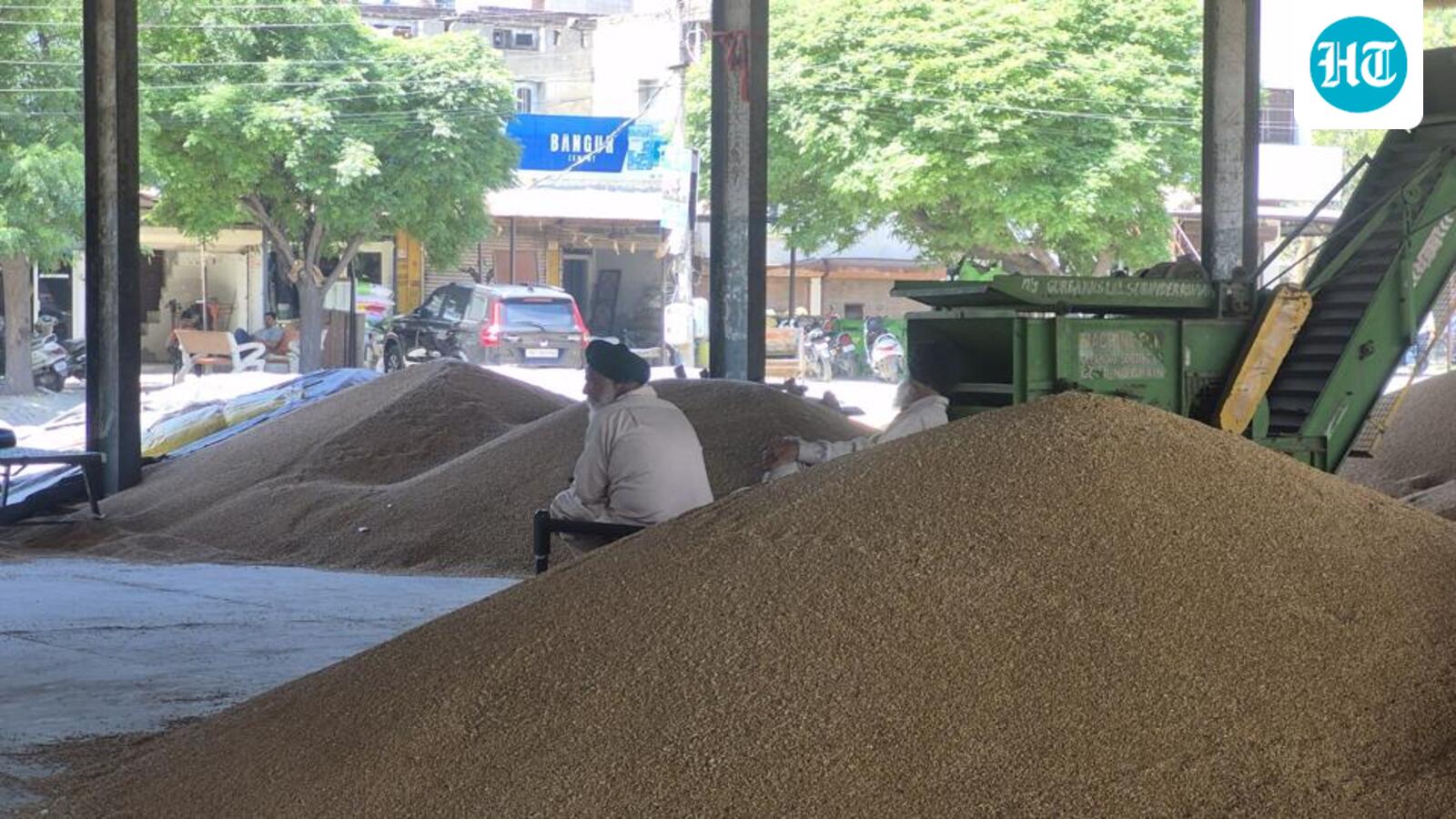
For the past several days, tension has been rising in Punjab’s grain markets, known locally as mandis. Farmers have brought their harvested wheat to these markets to sell it to the government. However, once the wheat is sold, it needs to be "lifted" or moved to warehouses. This part of the process has almost stopped in many areas. Farm unions blamed the government for poor planning and a lack of trucks and labor. To show their anger, they planned to sit on railway tracks and stop all train movement. After a series of meetings with government officials, the union leaders agreed to wait for three days to see if the situation improves before they take action.
Important Numbers and Facts
The farm unions have set a 72-hour ultimatum, which means the government has exactly three days to clear the backlog of grain. Millions of tons of wheat are currently sitting in the open at various markets across the state. In some districts, the lifting rate is reported to be far below the daily arrival rate of new grain. This mismatch is what caused the crisis. The unions involved represent thousands of farmers who rely on the timely sale of their crops to pay back bank loans and prepare for the next planting season.
Background and Context
Punjab is often called the "breadbasket" of India because it produces a huge portion of the country's wheat and rice. Every year in April, the wheat harvest begins, and the government sets up a massive operation to buy this grain at a fixed price. This process is vital for national food security. If the grain stays in the markets for too long, it is at risk of being damaged by unexpected rain or pests. Furthermore, if the markets are full, farmers are forced to keep their harvested crops in the fields or at home, where they are even less safe. The current delay is being blamed on a mix of labor strikes, a shortage of jute bags, and a lack of coordination between the state government and the central agencies that manage food storage.
Public or Industry Reaction
The reaction from the farming community has been one of cautious waiting. Many farmers say they are tired of waiting in the markets for days under the hot sun. They feel that the government only listens when they threaten to block roads or railways. On the other hand, the business community and regular citizens are relieved that the trains are still running. A rail blockade in Punjab often leads to a shortage of coal for power plants and a lack of fertilizers for other states. Government officials have asked for patience, claiming that they are doing everything possible to speed up the transport of grain and that the delays are only temporary due to the high volume of wheat arriving all at once.
What This Means Going Forward
The next three days are a critical window for the Punjab government. If they can successfully move a large amount of wheat out of the markets and into storage, the farm unions may cancel their protest entirely. However, if the markets remain crowded and the "lifting" process stays slow, the rail blockade will likely begin. This would create a major political and logistical challenge for the authorities. The government needs to find more trucks and ensure that labor is available to load the bags quickly. If they fail, the protest could spread beyond the railways to major highways, causing even more disruption across the region.
Final Take
The pause in the protest is a small win for everyone, but the root of the problem is still there. Moving millions of tons of grain is a massive task that requires perfect timing and strong management. The government now has a very short time to prove it can handle the harvest. For the farmers, this is not just about a protest; it is about their hard work and their survival. The coming days will show whether the government’s promises were sincere or just a way to buy more time.
Frequently Asked Questions
Why were the farmers planning to block the railways?
Farmers were planning to block the trains because the government was not moving the purchased wheat out of the grain markets fast enough. This caused the markets to become overcrowded, leaving no room for new crops.
How long is the government's deadline?
The farm unions have given the state and central governments a three-day ultimatum to speed up the lifting of grain. If the situation does not improve in 72 hours, the unions say they will start the blockade.
What happens if the wheat is not moved quickly?
If the wheat stays in the open markets for too long, it can be ruined by rain, wind, or insects. It also prevents other farmers from bringing their crops to the market to sell, which delays their payments and disrupts the entire food supply.



