
Summary
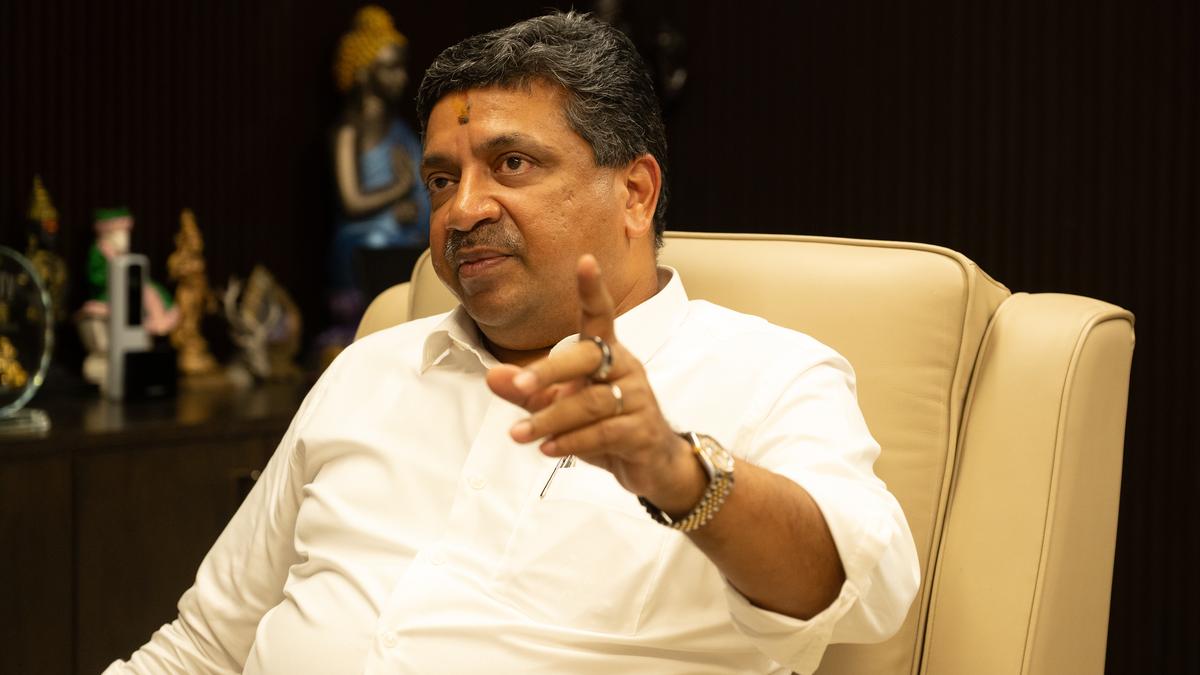
Palanivel Thiaga Rajan, a senior minister in Tamil Nadu, recently shared his views on government spending and the entry of new people into politics. He argued that many government programs often called "freebies" are actually important investments in the people. He also spoke positively about actor Vijay starting a political career. Rajan believes that popular figures can help get young people more involved in the democratic process, which he sees as a win for the country.
Main Impact
The main impact of these statements is a shift in the conversation about how states manage their money. By labeling welfare as an investment, Rajan is challenging the idea that helping the poor is a waste of resources. This perspective suggests that spending on health and education today will lead to a stronger economy tomorrow. Furthermore, his open-minded attitude toward actor Vijay’s political debut could signal a more welcoming environment for new leaders in a field often dominated by established names.
Key Details
What Happened
During a public discussion, Palanivel Thiaga Rajan, who is often called PTR, addressed two major topics. First, he spoke about the economic logic behind social welfare programs. He explained that the word "freebie" is often used incorrectly to describe essential support for citizens. Second, he commented on the news of actor Vijay launching his own political party, Tamilaga Vettri Kazhagam. Instead of criticizing the move, Rajan said he welcomes new ideas and new faces in the political arena.
Important Numbers and Facts
PTR is the Minister for Information Technology and Digital Services in Tamil Nadu and previously served as the Finance Minister. He has a background in international banking, which gives him a unique view on how money flows through a state. Actor Vijay is one of the most successful film stars in India, with a massive following among the youth. His entry into politics is seen as a major event ahead of the 2026 state elections. Rajan pointed out that the youth are often the group least interested in voting or politics, making the involvement of a popular icon very significant.
Background and Context
For a long time, there has been a heated debate in India about "freebie culture." Some critics and even courts have questioned whether political parties should promise free items like electronics or household goods to win votes. They argue this puts too much debt on the government. On the other side, leaders like Rajan argue that these items often serve a purpose. For example, giving a student a laptop is not just a gift; it is a tool that helps them learn and eventually get a job. This is why he calls it an "investment."
In Tamil Nadu, the link between the film industry and politics is very strong. Many of the state’s most famous leaders started as actors or writers in the movie business. Because of this history, when a major star like Vijay decides to enter politics, it creates a lot of excitement and worry among existing parties. Rajan’s comments are notable because he focuses on the benefit to democracy rather than the threat to his own party.
Public or Industry Reaction
The reaction to Rajan’s comments has been mixed but mostly positive. Many experts who study the economy agree that social spending is necessary for growth. They appreciate a leader who can explain complex money matters in a way that makes sense to regular people. Supporters of actor Vijay have also welcomed the minister's words, seeing them as a sign of respect for the actor's influence. However, some political rivals argue that calling every expense an investment is just a way to hide overspending. They believe the government should be more careful with how it uses taxpayer money.
What This Means Going Forward
Looking ahead, the debate over what counts as a "freebie" will likely become a central part of future election campaigns. Parties will have to be more specific about how their promises will help the economy in the long run. As for the political scene, the entry of popular figures like Vijay will force traditional politicians to work harder to keep the attention of young voters. If more young people start paying attention to politics because of their favorite stars, we might see higher voter turnout and new types of political discussions in the coming years.
Final Take
Palanivel Thiaga Rajan’s comments highlight a modern way of looking at governance. By focusing on the long-term value of welfare and the importance of youth participation, he is looking at the bigger picture. Whether one agrees with his economic views or not, his focus on making politics more engaging for the next generation is a goal that many can support. The true test will be how these "investments" and new political movements actually change the lives of the people in the years to follow.
Frequently Asked Questions
Why does PTR call welfare spending an investment?
He believes that when the government spends money on things like education, health, and basic needs, it helps people become more productive. This productivity eventually helps the economy grow, making the initial cost a smart investment for the future.
What is actor Vijay’s new political party called?
The party started by actor Vijay is called Tamilaga Vettri Kazhagam. He plans to be a major part of the political landscape in Tamil Nadu, especially for the elections in 2026.
Why is youth engagement in politics important?
Young people make up a large part of the population but often do not participate in voting or political discussions. When they get involved, it ensures that the government listens to the needs of the next generation and keeps the democratic system healthy.



