Summary
Emiliano García-Page, the regional president of Castilla-La Mancha, has made a shocking claim about a key moment in Spanish political history. He alleges that there was an attempt to rig a vote, known in Spain as a "pucherazo," during a famous meeting of the Socialist Party (PSOE) in 2016. This event led to the resignation of Pedro Sánchez as the party leader at the time. Page’s comments bring back memories of one of the most divided and chaotic days the party has ever faced.
Main Impact
The claims made by García-Page reopen old wounds within the PSOE that many thought were healing. By suggesting that there was an attempt to cheat during a high-level meeting, he is questioning the integrity of the party’s internal processes from a decade ago. This development shows that the deep tension between the current leadership under Pedro Sánchez and regional leaders like Page is still very much alive. It also reminds the public of the extreme instability that once threatened to break the party apart.
Key Details
What Happened
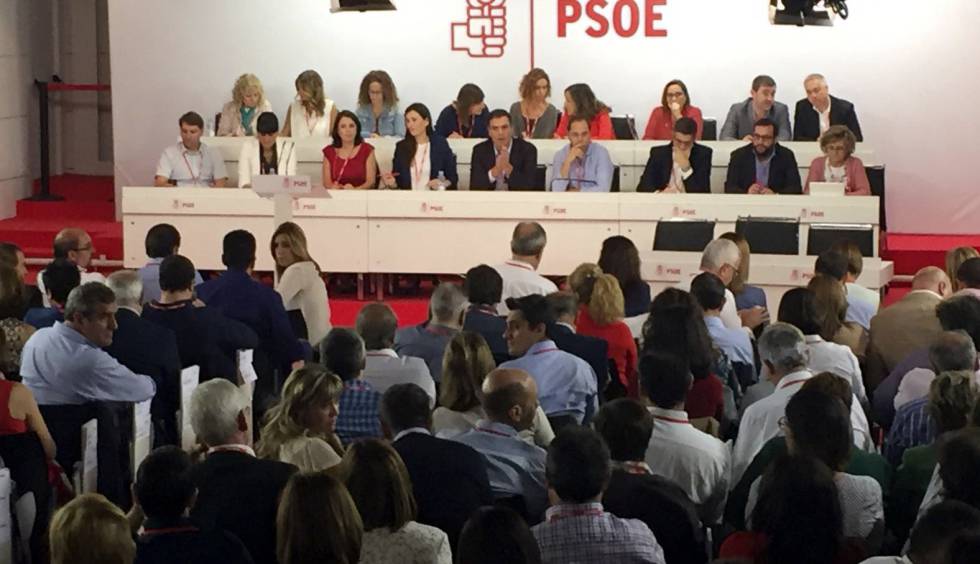
The event in question took place on October 1, 2016, during a meeting of the PSOE Federal Committee. At the time, the party was split over whether to allow their rivals, the People's Party (PP), to form a government or to try and hold new elections. Pedro Sánchez, who was the leader then, wanted to hold a quick internal vote to secure his position. However, his opponents within the party wanted him to step down.
García-Page now claims that during this meeting, there was an attempt to use a hidden ballot box to conduct a vote without proper oversight. He describes this as an attempt to manipulate the results. The meeting lasted for over 11 hours and was filled with shouting, crying, and intense arguments. Eventually, Sánchez lost a key vote and resigned from his position that same night.
Important Numbers and Facts
The meeting in October 2016 is remembered as one of the longest and most difficult in the history of the PSOE. After 11 hours of debate, the final vote against Sánchez’s proposal was 132 to 107. This loss forced him to quit. Following his resignation, the party decided to abstain in a national vote, which allowed Mariano Rajoy of the PP to become the Prime Minister of Spain. This decision was highly controversial among Socialist voters and led to years of internal fighting.
Background and Context
To understand why this matters, it is important to know that the PSOE is one of the oldest and most powerful political parties in Spain. In 2016, the country was in a political deadlock because no party had enough votes to lead. Pedro Sánchez wanted to keep fighting against the right-wing government, but many older and regional leaders in his own party thought his strategy was dangerous for the country.
After Sánchez resigned in 2016, he did something unexpected. He traveled across Spain to talk to regular party members and eventually won back the leadership in 2017. Since then, he has become the Prime Minister. However, some regional leaders, like García-Page, have remained critical of his decisions, especially regarding deals made with regional separatist groups. These new claims about the 2016 meeting are part of a long-standing disagreement about how the party should be run.
Public or Industry Reaction
The reaction to Page’s comments has been mixed. Supporters of the current leadership often view these claims as an unnecessary distraction from the government's current work. They argue that the party has moved on and that Sánchez has proven his leadership by winning multiple elections. On the other hand, critics of the current administration see Page’s words as a brave reminder of a time when they believe the party lost its way. Political analysts suggest that bringing up these old stories is a way for regional leaders to show they still have power and are not afraid to challenge the central government in Madrid.
What This Means Going Forward
These claims could lead to more tension within the PSOE as they prepare for future party meetings and elections. If more members start talking about the "pucherazo" or the chaos of 2016, it could damage the party’s image of unity. It also shows that the history of the party is still being written and debated. For Pedro Sánchez, these comments are a reminder that while he holds a lot of power now, there are still people within his own party who remember his darkest professional moments and are willing to use them to make a point.
Final Take
The 2016 crisis was a turning point for Spanish politics, and García-Page’s new allegations ensure that the ghost of that day continues to haunt the Socialist Party. While the party has found success since then, the lack of trust between different factions remains a serious challenge. These claims prove that even after ten years, the wounds from that 11-hour meeting have not fully closed.
Frequently Asked Questions
What does "pucherazo" mean?
In Spanish politics, a "pucherazo" refers to electoral fraud or the rigging of a vote to change the outcome. It usually involves manipulating ballot boxes or counting votes unfairly.
Why did Pedro Sánchez resign in 2016?
He resigned after losing a vote during a party meeting. He wanted to hold an early leadership contest to prove he had support, but the majority of the committee voted against his plan.
Who is Emiliano García-Page?
He is a prominent politician in the PSOE and the regional president of Castilla-La Mancha. He is known for often disagreeing with the national leadership of his own party.